
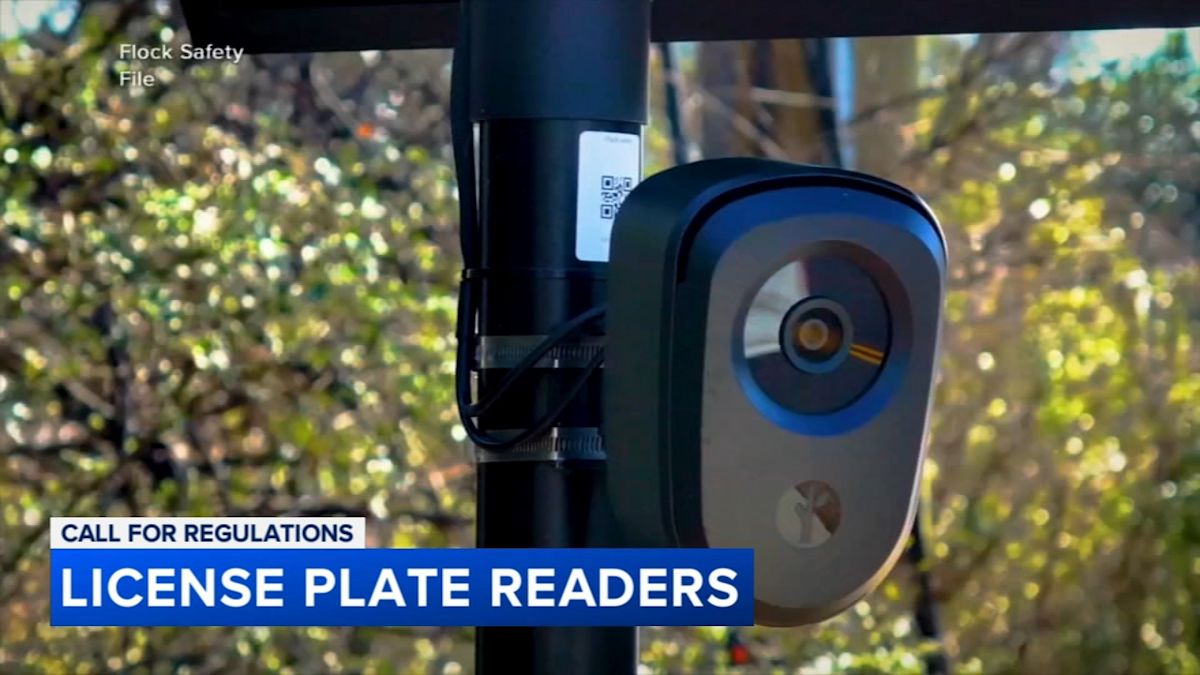
A growing effort in Harrisburg is pushing for new restrictions on the use of automatic license plate readers, a technology widely used by law enforcement that has drawn increasing scrutiny over privacy concerns.
Automatic license plate reader systems, including Flock cameras, use artificial intelligence to capture license plates and vehicle details.
Law enforcement agencies use the technology to help identify stolen vehicles, missing persons and wanted suspects. An estimated 3,600 of the cameras are operating across Pennsylvania.
State Rep. Tarik Khan has drafted a bipartisan bill that would establish limits on who can access data collected by the systems and for what purposes it can be used.
Other proposals under consideration range from restricting how long data can be retained to banning the technology altogether.
“They got this technology out way, way, way too quickly before any safeguards were considered,” Khan said.
Khan said privacy concerns have driven calls for greater oversight of the technology.
“We’ve also seen major constitutional concerns about privacy, and we have to make it clear that our privacy is not for sale, and that we will not compromise on our rights,” he said.
Amid growing criticism, Flock announced changes last month aimed at strengthening oversight of its system.
The changes include flagging abnormal search behavior, deleting video after seven days instead of 30, and requiring law enforcement officers to enter a code tied to a specific case before conducting a search.
The changes are expected to take effect Jan. 1.
Gov. Josh Shapiro has also voiced support for heavy regulation of the technology and has expressed support for a ban.
Meanwhile, Wilmington decommissioned its Flock camera system last month, and a bill designed to increase safeguards was introduced in Trenton this month.
As lawmakers in Pennsylvania and neighboring states consider new regulations, the debate over automatic license plate readers continues to focus on balancing public safety benefits with privacy protections.