
Photo by Austin Carey for The Lafayette
The new ruling does not consider discrimination based on sex or gender.
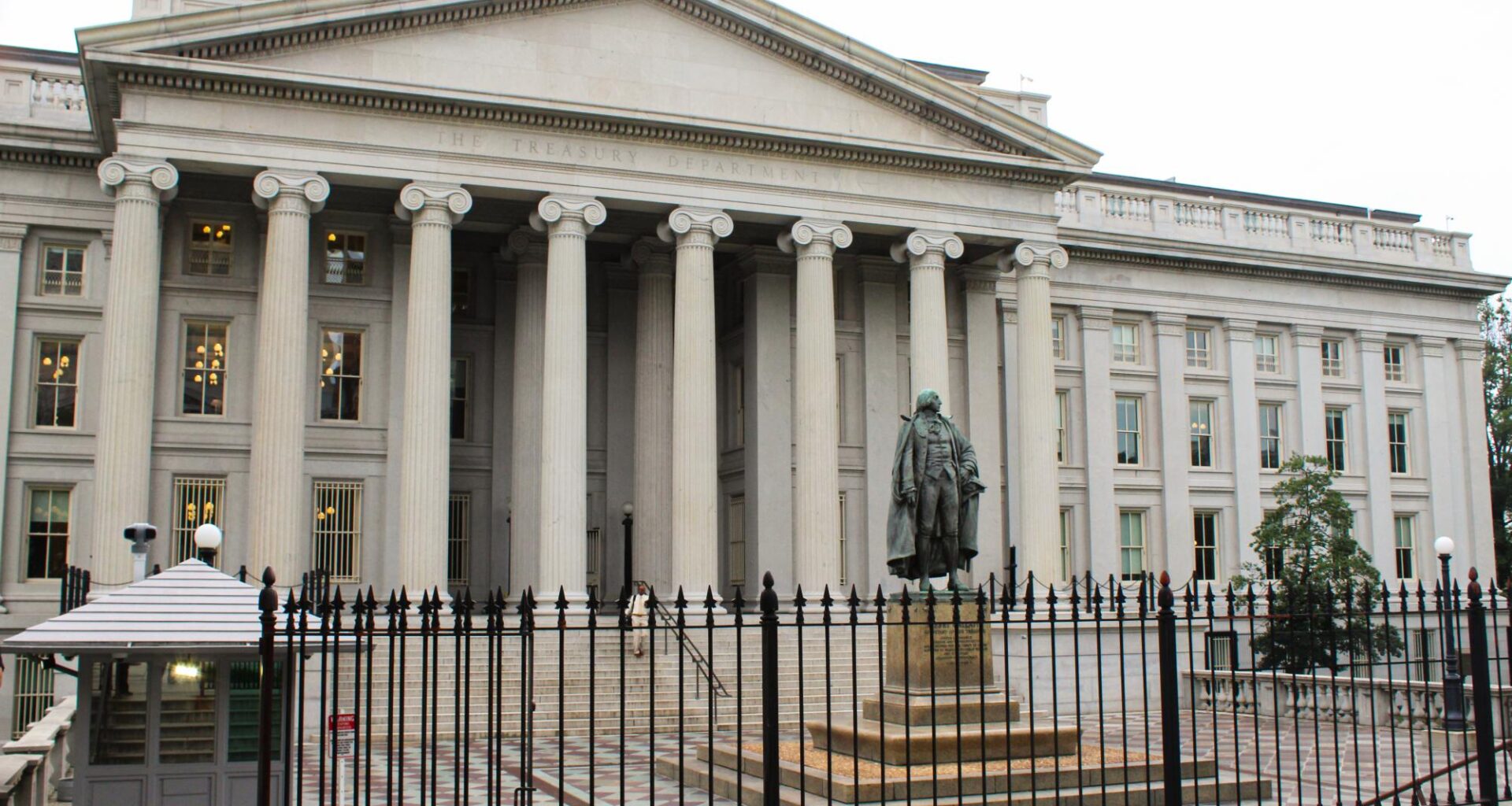
The Treasury Department and IRS proposed a joint rule on Sept. 3 that, if approved, would strip tax-exempt status from private schools that have policies promoting race-based preferences. Lafayette College officials say they are closely monitoring the proposal.
The rule, published in the Federal Register, is part of the Trump administration’s broader efforts to end diversity, equity and inclusion programs, and uniquely targets private schools previously unaffected by federal policy.
The tax-exempt status allows donors to deduct contributions and exempts schools from paying income tax on revenue related to their educational mission; the Treasury Department and IRS estimate nearly 18,000 private educational institutions are subject to being affected.
“The College is closely following this proposed regulation,” Executive Vice President for Finance and Administration Audra Kahr wrote in an email. She noted it would be “premature” to comment on specific findings or plans.
Vice President for Inclusion Ernest Jeffries wrote in an email that Kahr’s comment “fully aligns with and represents my position on the matter” and did not respond to specific questions. College President Nicole Hurd also deferred comment to Kahr.
Rules proposed by executive agencies, as opposed to bills passed in Congress or presidential executive orders, are subject to a 60-day public comment period in which anyone can publish their concerns online. The Treasury Department and IRS can choose to either adopt any feedback received or ignore it entirely.
Though the rule is slated to go into effect May 31 for the upcoming fiscal year, legal scholars anticipate lengthy legal challenges.
Elizabeth Schmidt, a researcher at the University of Massachusetts Amherst who specializes in nonprofit law, said she thought the current rule would not survive a legal challenge as currently written. Courts have historically required decades of consensus across Congress and the executive branch before treating something as “fundamental public policy,” according to Schmidt.
“The Supreme Court might change the current law and say yes,” she added.
Federal revocation of tax status is rare. Schmidt said only one school, Bob Jones University, a private Christian university, lost its status in the 1970s after prohibiting interracial dating, in a court case that took decades to resolve.
Sean Scanlon, Lafayette’s vice president for advancement, deferred comment to Vice President for Communications and Marketing Kristen Daily.
“At this stage, Lafayette has not made changes to its donor communications or fundraising plans as a result of the proposal,” Daily wrote in an email. “We’re also following the work of national higher education associations that are assessing the proposal and the public comment process.”
Legal scholars say the rule’s language leaves significant ambiguity about what would actually trigger a loss of exemption, referencing any school-administered or supported program that discriminates based on race.
“We don’t really know what they mean by that,” said Mindy Pava, a partner at the Washington-based law firm Feldesman LLP, which advises colleges on federal compliance. She said the vagueness leaves college administrators responsible for auditing their own programs without parameters for what is considered discriminatory.
The rule specifically lists “race, color, or national or ethnic origin” discrimination as grounds for revoking tax-exempt status, but not other forms of discrimination.
“The fact that sex and gender are not in here is fascinating,” said Marjorie Hass, the president of the Council of Independent Colleges. “It shows you some of the political issues here. This is not just about civil rights at large. It’s about very specific kinds of ways of thinking about human difference that the White House is opposed to.”
The Council of Independent Colleges and other higher education associations are representing colleges looking to submit public comment before the Nov. 3 deadline. Kahr wrote that the college has not made any decision about submitting or joining a public comment.
The proposed rule arrives following previous efforts by the Trump administration to crack down on perceived racial discrimination in higher education. In February 2025, the Department of Education warned federally funded institutions that race-based programs could violate federal antidiscrimination laws and put federal funding at risk. Lafayette College’s Division of Inclusion remained intact following the letter, and the college did not change its policies regarding race-based programs.