
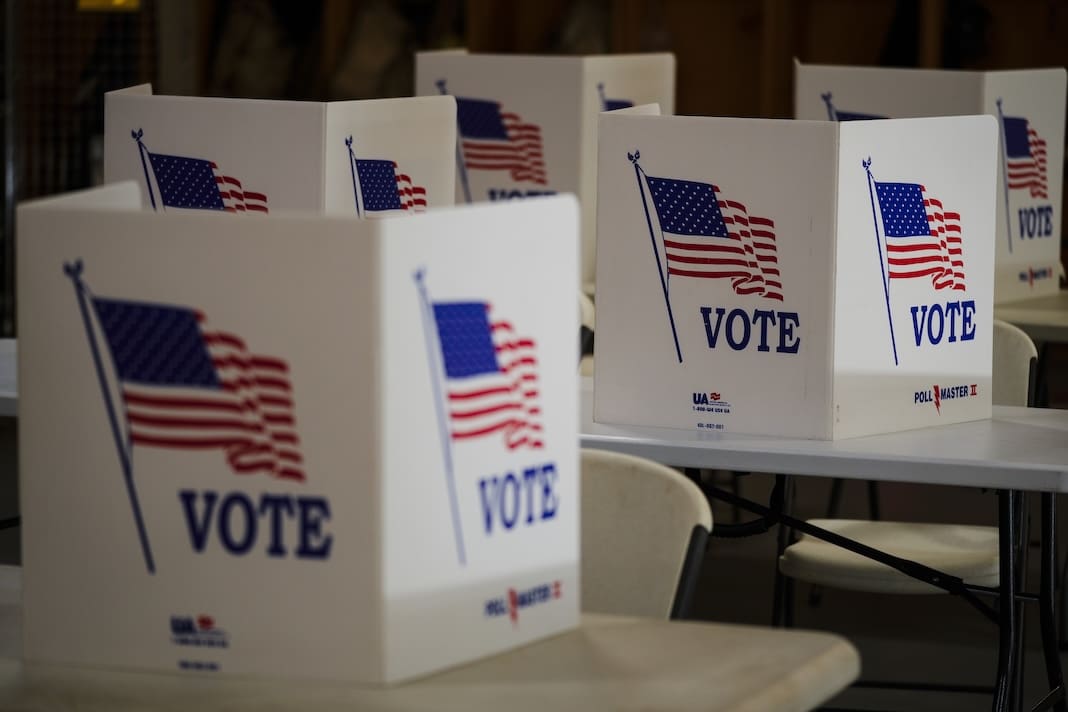
Pennsylvania voters will head to the polls for the midterm election on Tuesday, Nov. 3.
To prepare for the election, the Pennsylvania Independent has compiled information about voter registration deadlines, how to vote early, where to vote, what to do if you run into problems at the poll, and more.
To learn more about the candidates running in the Nov. 3 election, view our guide here.
When to vote on Election Day
Polling places will be open from 7 a.m. to 8 p.m. on Tuesday, Nov. 3. If a voter is in line by 8 p.m., they can vote.
Who is eligible to vote in the election?
To be eligible to vote in Pennsylvania, an individual must be a citizen of the United States for at least one month before the election, a resident of both Pennsylvania and the election district where they plan to register at least 30 days before the election, and at least 18 years old on or before Election Day.
Am I registered to vote?
You can check your voter registration by going to the Pennsylvania Department of State’s website. There you can find your registration status by entering your name or driver’s license number.
What if I’m not registered?
The deadline to register to vote is Oct. 19.
An online application is available here, and you can also download, print and fill out this registration form and either submit it to your county election office in person or mail it. Registration forms are also available to pick up in person at your county election office. To find your county election office, go here.
You can learn more about registering to vote by clicking here.
Voting by mail
The last day to apply for a mail-in or absentee ballot is Oct. 27. Your application for a mail-in or absentee ballot must be received by your county election office by 5 p.m. on Oct. 27.
You can apply online, by mail, or in person.
Your county election office must receive your completed mail ballot by 8 p.m. on Nov. 3. Note that a ballot postmarked but not received by that date will not be accepted.
To apply for a mail-in or absentee ballot, you’ll need to provide your name, date of birth, proof of identification, and signature.
How to get an emergency absentee ballot
You’re able to get an absentee ballot after a mail-in ballot application deadline if you have an emergency, such as an illness. To learn about obtaining an emergency absentee ballot, click here. The application for an emergency absentee ballot is available online.
Voting in person
If you’re planning on voting in person, you can check where your polling place is here.
Those voting at a polling place for the first time must show proof of identification. If you have previously voted at the polling place, Pennsylvania law stipulates you will not need identification. The accepted forms of identification are available here.
What happens if you have trouble voting?
If a poll worker challenges your right to vote, including by demanding you provide identification even when you aren’t required to show it, you can still vote with a provisional ballot. A provisional ballot records your vote while the county board of elections determines whether your vote can be counted. You can vote with a provisional ballot for a number of reasons, including your name not being found in the poll book, having reported to the wrong precinct, or your correct political party registration not accurately showing. A full list of reasons can be found here.
Beginning seven days after the election, voters can check online to see whether their provisional ballot was counted. The provisional ballot search can be found here.
In addition to voting with a provisional ballot, you can also call the election protection hotline at 1-866-OUR-VOTE (866-687-8683) for additional support with voting problems. If you feel your rights as a voter have been violated, you can file an election complaint with the state. To file a complaint, click here.
What to expect on Election Day
Once you arrive at your polling place, you will check in with the poll workers. They will inform you where to go to fill out your ballot. Video demos of counties’ voting systems are available here.
Voters’ right to language assistance
All voters in Pennsylvania are entitled to receive language assistance while voting. You may bring someone you trust with you to your polling place to help you translate the ballot. The person who goes with you cannot be your employer, union representative, or a judge of elections.
Additionally, the Voting Rights Act requires certain counties to provide language assistance to people whose primary language is not English, based on the demographics of voting-age citizens in those counties. In Pennsylvania, Berks, Lehigh and Philadelphia counties must provide voting materials and assistance in Spanish. Philadelphia County must also provide voting materials and assistance in Chinese.