
I was 16 when I started smoking cigarettes. I played keyboards in a bohemian indie band that ended up opening for artists such as Red Hot Chili Peppers and Alex Chilton, and my idols in the music and literature all smoked. I thought it made you sophisticated. I was stupid.
I did not understand nicotine’s addictiveness. Still, as I was finishing high school, I wasn’t hooked enough to risk “smokin’ in the boys room” with the burnouts. By the end of college, I smoked a pack day. I was so impoverished and addicted at one point, I would harvest butts around campus ashtrays and roll my own “snipes.”
I couldn’t break the habit until 2000, at age 34, and it took another five years of nicotine gum before I finally stopped that.
Had I been criminally penalized at 16, it would have made zero difference to my smoking habit. But I know I would have been filled with shame and self-loathing and anger — three emotions many teenagers already possess in abundance.
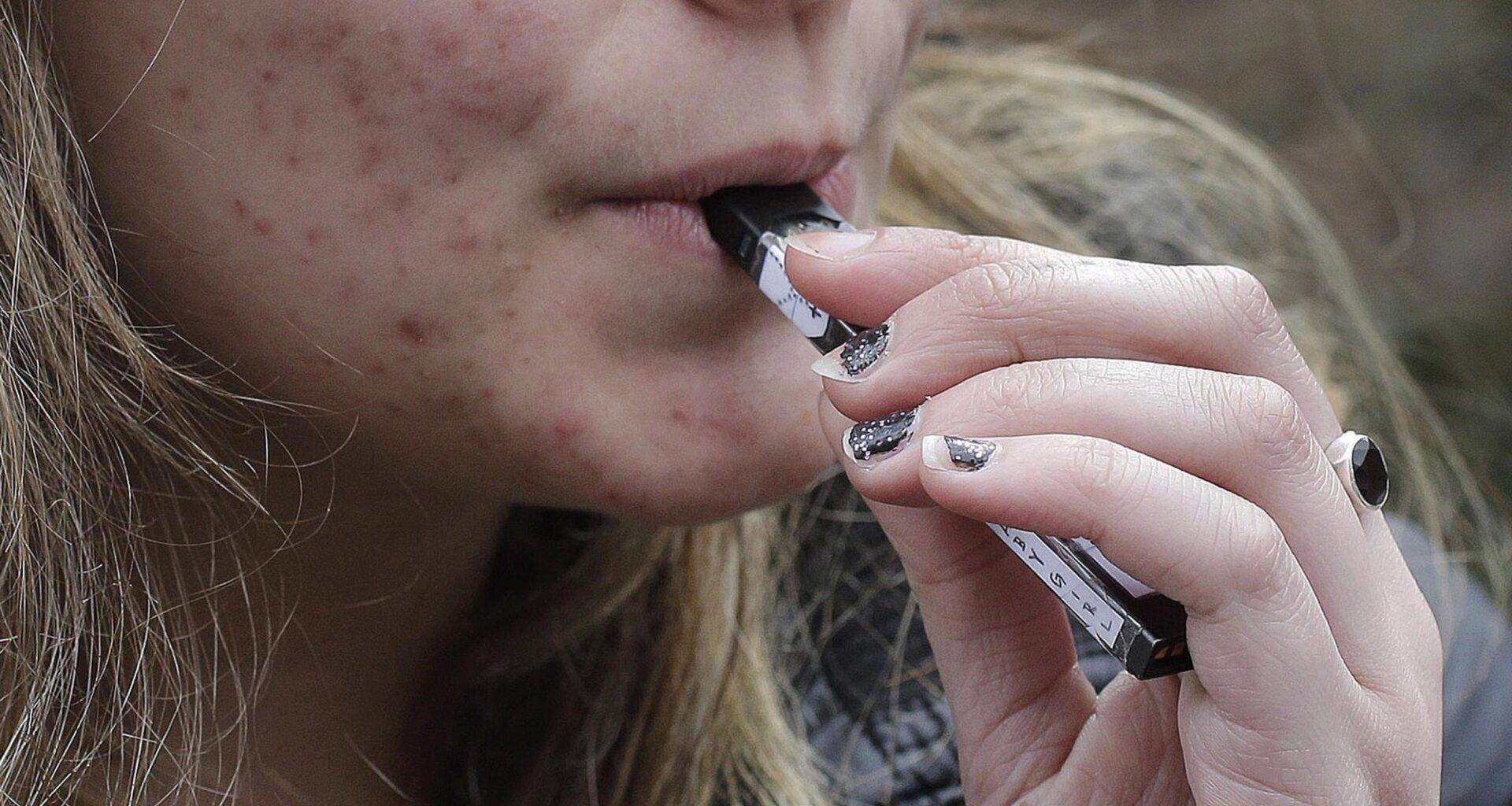
This week, the Saucon Valley School Board I serve on voted almost unanimously to endow principals and main administrators with the power to hand out tickets to our students caught smoking — nearly all of whom are obviously children.
Only fellow school director Christian Tatu and I voted against this regressive measure (one school director, Donald Carpenter, was not at the meeting). I can’t speak for those who supported the idea at the meeting, and I won’t speculate, but it’s doomed to hurt our district academically and accomplish nothing positive in terms of public health. It’s a wrongheaded approach to helping children kick the habit.
It was 1996 when Gov. Tom Ridge signed a law that formally criminalized smoking by pupils on school property. In 2019, Gov. Tom Wolf expanded the concept to cover vaping.
Seemingly aware of its own wrongheadedness, the statute contains a host of superficially sensible limits meant to soften the impact of a citation — but the fact is, we’re introducing young students to the criminal justice system at a profoundly sensitive moment in their lives.
And for what? According to the Pennsylvania Alliance to Control Tobacco, so-called PUP Laws (“purchase, use and possession”) simply don’t work. They take time, taxpayer resources, and there is no evidence they deter tobacco use. Some states such as Michigan have seen efforts to repeal these laws because, advocates say, they drive tobacco use underground and nurture fear and shame.
As one advocacy organization, Pennsylvania Alliance to Control Tobacco, puts it: “Criminalizing youth for using tobacco products is ineffective, inequitable, and counterproductive to public health.” It also normalizes the idea of schools as annexes of law enforcement.
The smoking citations under the law aren’t supposed to result in a criminal record, and the fines are low, but the stigma of facing a district judge won’t end after the gavel is struck. A teenager will wear the experience like a badge of honor, a scarlet letter — or both.
I knew the stoners who smoked in the boys room or behind the bleachers in high school. They wore Army surplus jackets, ate free lunches, smoked reefer after school and often seemed to come from big families that were poor or marginalized.
In my era, the ’80s, they might have had a much older brother killed in Vietnam, or an alcoholic or abusive parent at home. A few of them were intellectually gifted and found a way out, but the fragile lives of those bathroom smokers and tokers needed counseling and guidance and attention — not fines and reputations as petty criminals.
These tickets in my community’s schools will also force at least one highly paid member of our school administration to spend time in court when the kid shows up to district court with their parents. What a dumb waste. Personally, I want our school officials nurturing academic excellence, not frittering away time in court over teenage vaping melodramas.
No one is minimizing the impact of tobacco use among children. As a former smoker, I deeply regret my years of lighting up. The damage caused by tobacco use in children is astonishing. But the way to prevent smoking and vaping is through education, and isn’t that, after all, what we’re supposed to be doing in our school buildings?
This is a contributed opinion column. Bill Broun of Hellertown teaches at East Stroudsburg University and is a Saucon Valley School District director. The views expressed in this piece are those of its individual author(s), and should not be interpreted as reflecting the views of this publication. For more details on commentaries, read our guide to guest opinions at mcall.com/opinions.