
Water and wastewater infrastructure aren’t normally the hottest topics when discussing development. However, it was an important factor in why Chobani decided to invest $1.2 billion in a Lehigh Valley processing plant.
Lehigh Valley Economic Development Corp. CEO Don Cunningham said negotiations with the Greek yogurt manufacturer came down to how it would dispose of wastewater if it set up shop in Upper Macungie Township. It took the cooperation of two neighboring townships and Allentown to save the deal.
Under Pennsylvania law, each municipality is allotted a certain amount of wastewater that can be processed, and the Chobani deal would have exceeded Upper Macungie’s limit.
“The reason we almost lost the deal a couple of times was because they were concerned about the wastewater capacity issues,” Cunningham told The Morning Call. “The way that we kind of pulled it back from the brink was with this cooperative plan to temporarily loan capacity in the event that the upgrades aren’t done in time.”

The sedimentation basin is seen at the LCA Allentown Water Works on Friday Sept. 11, 2026 In Allentown. The LCA has been instrumental in getting development deals, like Chobani and Eli Lilly, to the Lehigh Valley. (Sharon Merkel/Special to The Morning Call)

The sedimentation basin is seen at the LCA Allentown Water Works on Friday Sept. 11, 2026 In Allentown. The LCA has been instrumental in getting development deals, like Chobani and Eli Lilly, to the Lehigh Valley. (Sharon Merkel/Special to The Morning Call)

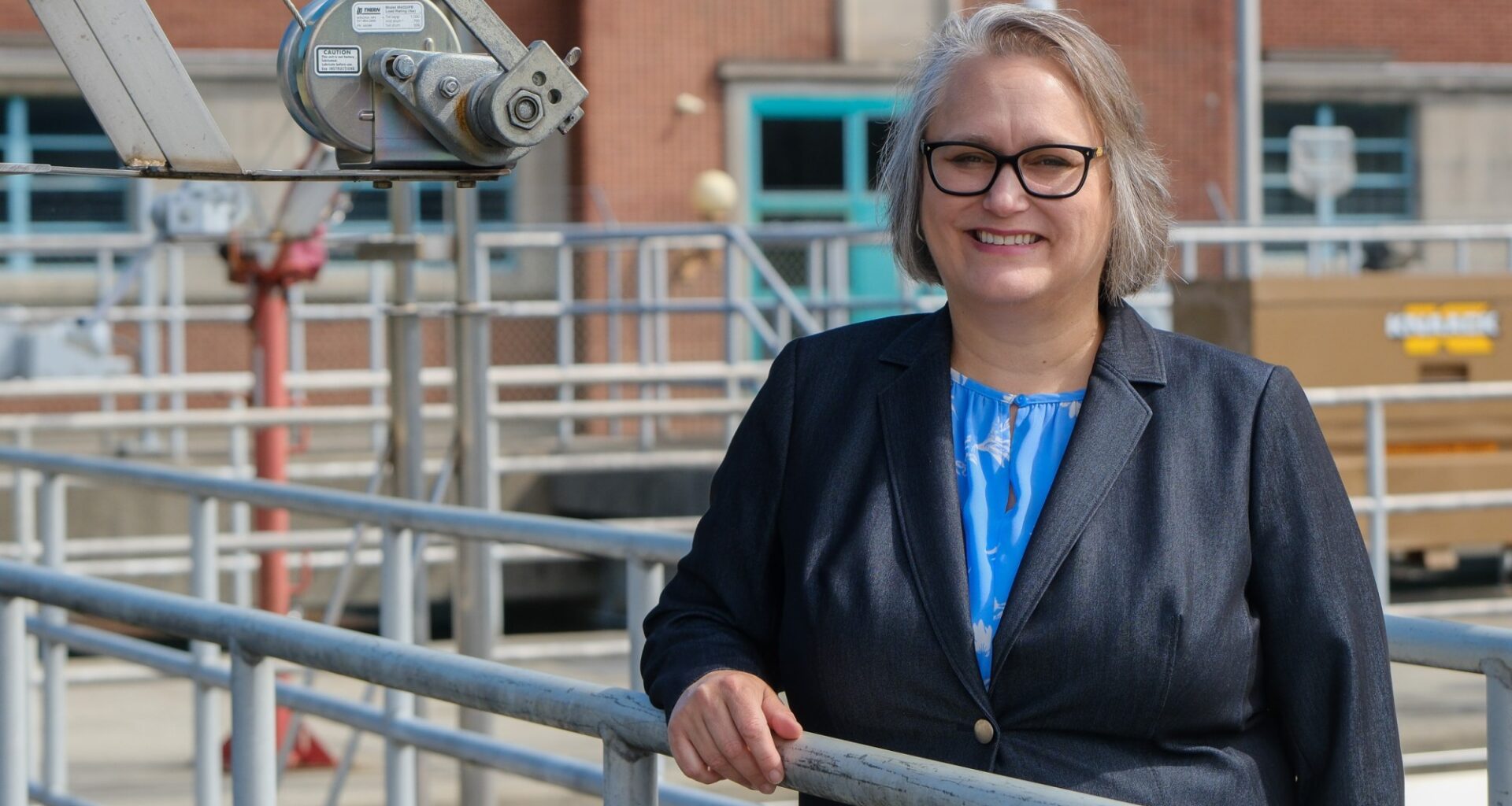
LCA CEO Liesel Gross talks about development deals Friday Sept. 11, 2026 in Allentown. The LCA has been instrumental in getting Chobani and Eli Lilly to the Lehigh Valley. (Sharon Merkel/Special to The Morning Call)

LCA CEO Liesel Gross is seen Friday Sept. 11, 2026 in Allentown. The LCA has been instrumental in getting development deals, like Chobani and Eli Lilly, to the Lehigh Valley. (Sharon Merkel/Special to The Morning Call)

The sedimentation basin is seen at the LCA Allentown Water Works on Friday Sept. 11, 2026 In Allentown. The LCA has been instrumental in getting development deals, like Chobani and Eli Lilly, to the Lehigh Valley. (Sharon Merkel/Special to The Morning Call)

The water filter room is seen at the LCA Allentown Water Works on Friday Sept. 11, 2026 In Allentown. The LCA has been instrumental in getting development deals, like Chobani and Eli Lilly, to the Lehigh Valley. (Sharon Merkel/Special to The Morning Call)

LCA CEO Liesel Gross talks about development deals Friday Sept. 11, 2026 in Allentown. The LCA has been instrumental in getting Chobani and Eli Lilly to the Lehigh Valley. (Sharon Merkel/Special to The Morning Call)

LCA CEO Liesel Gross talks about development deals Friday Sept. 11, 2026 in Allentown. The LCA has been instrumental in getting Chobani and Eli Lilly to the Lehigh Valley. (Sharon Merkel/Special to The Morning Call)

The LCA Allentown Waterworks is seen Friday Sept. 11, 2026 in Allentown. The LCA has been instrumental in getting development deals, like Chobani and Eli Lilly, to the Lehigh Valley. (Sharon Merkel/Special to The Morning Call)

LCA CEO Liesel Gross is seen Friday Sept. 11, 2026 in Allentown. The LCA has been instrumental in getting development deals, like Chobani and Eli Lilly, to the Lehigh Valley. (Sharon Merkel/Special to The Morning Call)
Show Caption
1 of 10
The sedimentation basin is seen at the LCA Allentown Water Works on Friday Sept. 11, 2026 In Allentown. The LCA has been instrumental in getting development deals, like Chobani and Eli Lilly, to the Lehigh Valley. (Sharon Merkel/Special to The Morning Call)
Chobani is expected to produce 2.2 million gallons of wastewater per day when the plant is at full capacity, according to Liesel Gross, CEO of the Lehigh County Authority, the public water and wastewater utility that serves 270,000 people in and around Allentown.
Upper Macungie could not initially meet that amount under Chobani’s timetable, Gross explained, because of the time the township needed to get up to that capacity. So while the plant works up to full operations in two phases, Allentown, South Whitehall and Lower Macungie townships agreed to loan capacity to Upper Macungie.
“All four of them said yes to split the load to make the capacity available for Chobani,” Gross said. “These four municipalities are pulling that allocation to make it available for Chobani for a short period of time. And while Chobani is using that allocation, we’re also building new capacity so that allocation can go back to the municipalities.”
That put LCA in the negotiations with Chobani, state officials, municipalities and other regional partners to bring manufacturing back to the plant at 7352 Industrial Drive. The facility, which recently housed Keurig Dr. Pepper after being occupied by Kraft Heinz for more than four decades until 2016, is expected to have 900 employees.
“Having them move into this preexisting location means they can start faster, which means we need to be ready faster,” Gross said. “This one was really very clear that water and sewer was the linchpin.
“For Chobani, water and wastewater were really critically important components, and we were glad that they brought us in early and gave us time to think creatively and try to describe how to make it happen. It’s somewhat unprecedented for us in terms of the speed at which these decisions are being made.”
What is allocation?
Under the Pennsylvania Sewage Facilities Act — Act 537 — all municipalities must develop and implement an official sewage plan that addresses their present and future sewage disposal needs.
The plans can be modified as development projects are proposed or whenever a municipality’s sewage disposal needs change. The state Department of Environmental Protection reviews and approves the plans and any revisions.
Act 537 helps prevent sewage overflows and backups by limiting the number of new industrial users or houses that can plug into the pipes until expansion projects are completed. It also guarantees that one growing township doesn’t take over the entire region’s treatment capacity at the expense of its neighboring municipalities.
“In that Act 537 plan, because we have some challenges with aging infrastructure and capacity, DEP has implemented what they call a ‘connection management plan,’ ” Gross said. “Where they’ve made a certain amount of new connections available during the next five years as we do projects to address the aging infrastructure and things.”
Upper Macungie fell short of about 1 million gallons per day for Chobani’s plans, Gross said, forcing the LCA to broker the allocation loan from the three neighboring municipalities. The company’s first phase when it begins production in 2027 will require 1.2 million gallons per day, which will increase to 2.2 million in the second phase.
“The wastewater side is a lot more complicated because we do have a regional system with 15 municipalities that are all interconnected and flow down to Klein’s Island Wastewater Treatment Plant,” Gross said. “All 15 municipalities are part of this series of intermunicipal agreements about how we allocate the sewer capacity to each community.”
The LCA is moving forward with improvements to the Klein’s Island Sewer System to help with capacity from new construction along with updating infrastructure that’s 50-100 years old.
“One thing I do want to make sure is clear is that these investments are that we very carefully manage how those costs are addressed such that the developers are paying for those investments,” Gross said. “That’s an important message for us because we don’t want customers to think that those big projects will affect their regular water and sewer bills.”
The LCA estimates that Chobani will require 2.5 million to 3 million gallons of water per day.
LCA’s system processes an average of about 27 million gallons a day. Gross said that while 3 million is a large increase, LCA has sufficient reserve capacity and diverse water sources built into its infrastructure to meet that demand without compromising service.
Cunningham said that while people may not think much of water and sewer infrastructure, it’s becoming increasingly important in attracting businesses. The use of water has been a point of debate in the building of large data centers.
“If you want to do high-value manufacturing and production, you obviously need the physical infrastructure to support that, and that oftentimes is the last thing that people want to put money into because you can’t see it. It’s underground.” Cunningham said.
Morning Call reporter Evan Jones can be reached at ejones@mcall.com.