
They arrived here in the fall of 2012, presenting themselves at a chaotic event in the most uncertain time in our region’s professional baseball history. An expensive renovation of PNC Field in Moosic was sprinting hurriedly toward the finish line. The team itself hadn’t played a game in the area since early September of 2011.
When the RailRiders were announced as Scranton/Wilkes-Barre’s new baseball identity that night at the old Genetti Manor convention hall in Dickson City, it came with a combination of grandeur and confusion.
There was confetti with four different team colors on the floor. There were plans for three different mascots, including a huggable porcupine that paid homage to another potential nickname considered, and a giant, bouncing inflatable cartoon character named “Mr. Incrediball” who seemed to have little to do with any other identity on the table.
It felt, from the start, like an amalgamation of ideas thrown at a large community of baseball fans, with the desperate and futile hope to please everybody. Of course, that made it a very fitting plan for Northeast Pennsylvania, which has struggled for generations to form a shared regional identity. The names considered then — the Trolley Frogs, Porcupines, Fireflies, Black Diamond Bears and Blast — showed how all over the map suggestions on how best to encapsulate that identity really is.
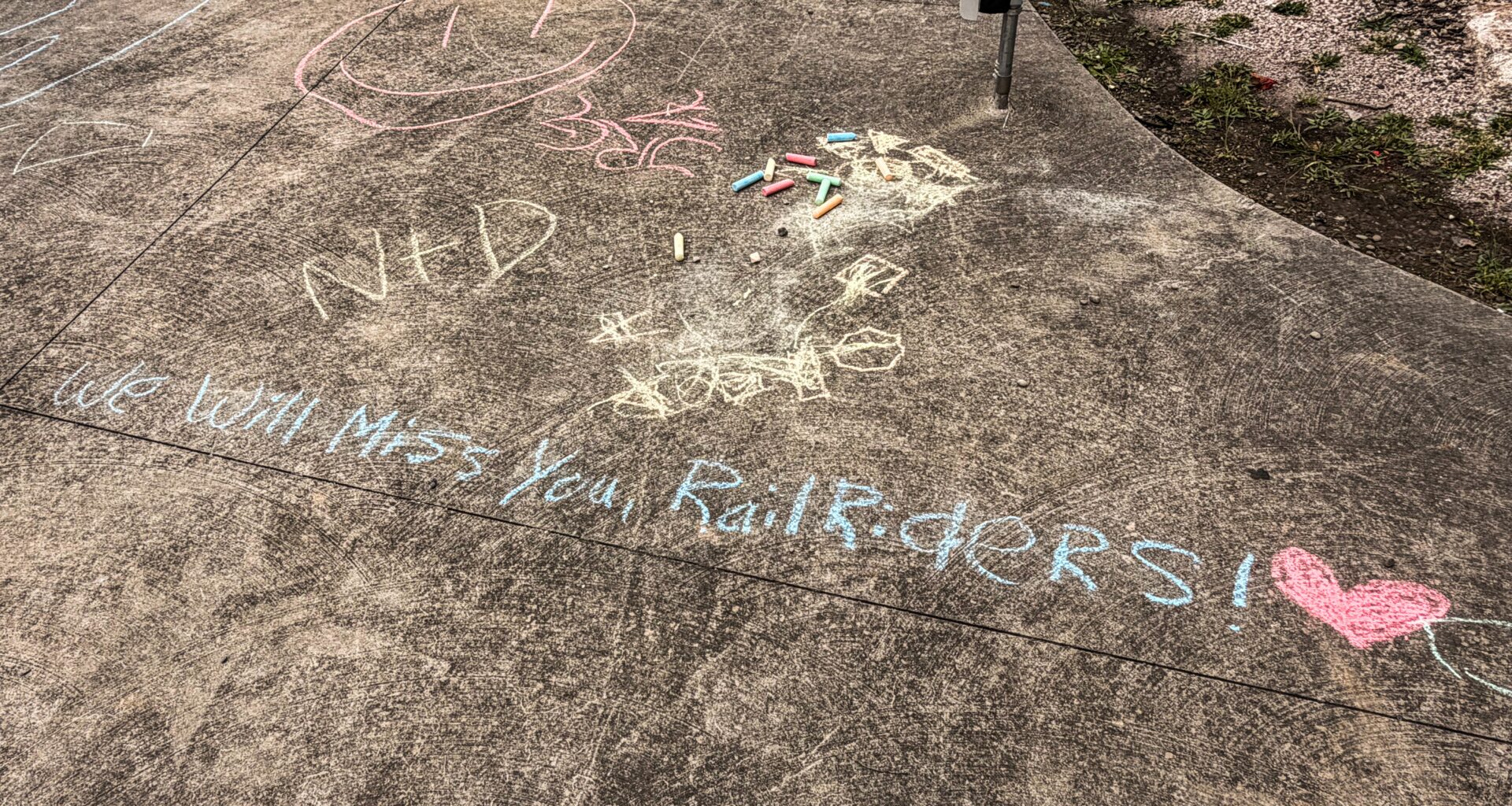
Almost 14 years later, the RailRiders will leave us for good sometime late Sunday afternoon, once the club’s season finale against Jacksonville wraps up at PNC Field. In August, franchise officials announced plans to rebrand the team’s identity, bringing a new nickname, color scheme and approach to Triple-A baseball on Montage Mountain.
We look forward to the change, while acknowledging an uncomfortable reality: Tradition is so often bucked in professional sports these days by the allure of the new.
We also hope team officials and the ownership group, Diamond Baseball Holdings, understand a few things about the gravity of their decision — not just for local baseball fans, but the region as a whole.
Minor league sports team identities often provide a civic calling card for smaller towns and cities that host them. Not only do they give residents a symbol to rally around, but the best of names and logos can be the defining characteristic of an area to outsiders.
Case in point: Minor league teams that rebrand have been trying for decades now to capture the lighting-in-a-bottle magic Allentown’s Triple-A team mustered by naming their franchise the Lehigh Valley IronPigs upon its 2008 debut. The iron-faced pig logo has long been one of the most-recognized in minor league baseball, and the team has been able to market hats and shirts to non-Phillies fans and even a generation of bacon lovers nationwide.
Because of that name and logo, people who have never been to the Lehigh Valley — and won’t ever get there — know something positive about that area: Lehigh Valley’s iron production industry, and the “pig iron” that was a byproduct of its manufacture.
It would be a lot to ask of any team, in any region, to strike that kind of marketing gold. But in an area similarly rich in history, we hold a sincere hope that the organization will be able to find an identity that encapsulates all of us, from the New York border to the outermost reaches of the coal region. An identity we’ll embrace. An identity that can make us attractive and interesting to outsiders, as well.
We will refrain from suggesting potential names in this space, given the reality that the next Scranton/Wilkes-Barre team name has already been chosen, vetted and approved. The new name, according to an announcement from a team spokesman, will “celebrate the region’s beauty, heritage, and outdoor legacy.”
Our hope is that those who chose that name approached this rebrand with a wider vision for our region as a whole. We’d appreciate a name that doesn’t just provide a history lesson about what the region was, but that it comes also with a nod to what we can be decades from now.
The RailRiders name served us well for as long as it was around. It was a reminder of a glorious rail history throughout the region that, perhaps, was too on-the-nose to generate much excitement or marketing power outside the area.
Not many people loved it. Not many hated it. It was a good, solid gaze backward on our history.
But in a region on the upswing, we need to have an eye on the future, too.
The benefits of this kind of change can be significant if the team hits on that direction, while the drawbacks can be absolutely detrimental if it doesn’t. It will be a challenge to not fall on the wrong side of that line, especially in a community that has struggled to define what it has been and wants to be, and if we want to pursue that identity together.
Our hope is that whatever the name is, it will help unite us on that road to identity.