
Making housing more affordable
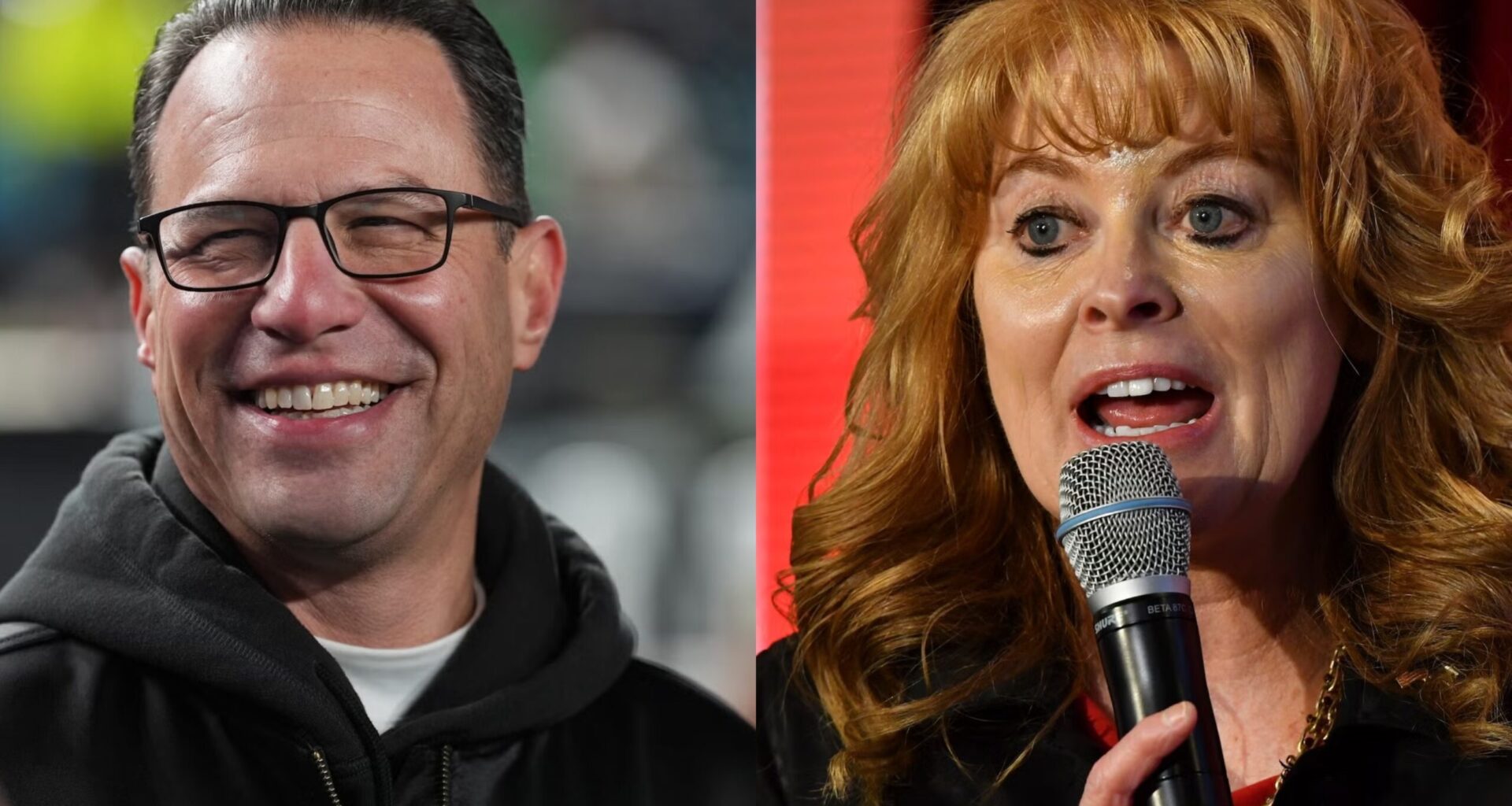
Both candidates say homeownership has become unaffordable for too many Pennsylvanians, but their proposals target different parts of the problem. Garrity focuses on reducing homeowners’ property taxes and mortgage costs, while Shapiro emphasizes increasing the housing supply, preserving existing homes and strengthening protections for renters and homeowners.
Garrity’s HOPE for PA initiative would use current state spending, investment accounts and interest earnings to fund property-tax rebates. She says the program would reduce homeowners’ property-tax burden by one-third within two years and help first-time buyers by having the state cover up to 3 percentage points of their mortgage interest. Her campaign has not detailed who would qualify, how long the mortgage assistance would last or how much either proposal would cost.
Shapiro’s Housing Action Plan calls for building and preserving more homes, streamlining local zoning and permitting, supporting first-time buyers and expanding home-repair programs. It also proposes limits on rental-application fees, protections for manufactured-home residents and measures intended to prevent evictions and foreclosures. Shapiro has sought a $1 billion infrastructure fund to help finance housing construction and additional funding for the Whole-Home Repairs program, which helps qualifying homeowners and landlords repair and weatherize older properties.
Boosting the economy and jobs
Both candidates say Pennsylvania needs to attract more business and create better-paying jobs by providing economic incentives and reducing regulatory obstacles. However, the specifics in their plans widely diverge.
A central plank of Shapiro’s platform is raising the minimum wage to $15/hour, a proposal he has made each year but that Republicans in Harrisburg have pushed back against. Nineteen other states now have minimum wages set at $15 or more, including Florida, which is set to raise it at the end of September. Garrity doesn’t support a higher minimum wage, saying it is already established by the free market.
Shapiro has also pursued reductions in the time and paperwork required to obtain licenses, permits and certifications that he argues reduce barriers for entrepreneurs and help small businesses open and hire workers sooner. His administration says the efforts lowered processing time by 74% last year.
Garrity has promised to reduce regulatory obstacles to small businesses, particularly in the agriculture sector. Her proposed reduction in the personal income-tax rate would also benefit businesses whose profits are taxed as individual income. Eliminating the inheritance tax could make it less expensive to transfer family-owned businesses and farms to the next generation.