
By Erin Flynn Jay
What did women’s liberation look like in the 1970s — and what does it have to say to women today?
Those questions are at the heart of ‘Liberation,’ Bess Wohl’s acclaimed play making its Philadelphia debut this fall as Philadelphia Theatre Company opens its 52nd season.
The play, which won the 2026 Tony Award for Best Play and the 2026 Pulitzer Prize for Drama, moves between the early 1970s and the present day. It follows Lizzie as she pieces together a previously unknown chapter in her late mother’s life: her involvement in a consciousness-raising group in small-town Ohio.
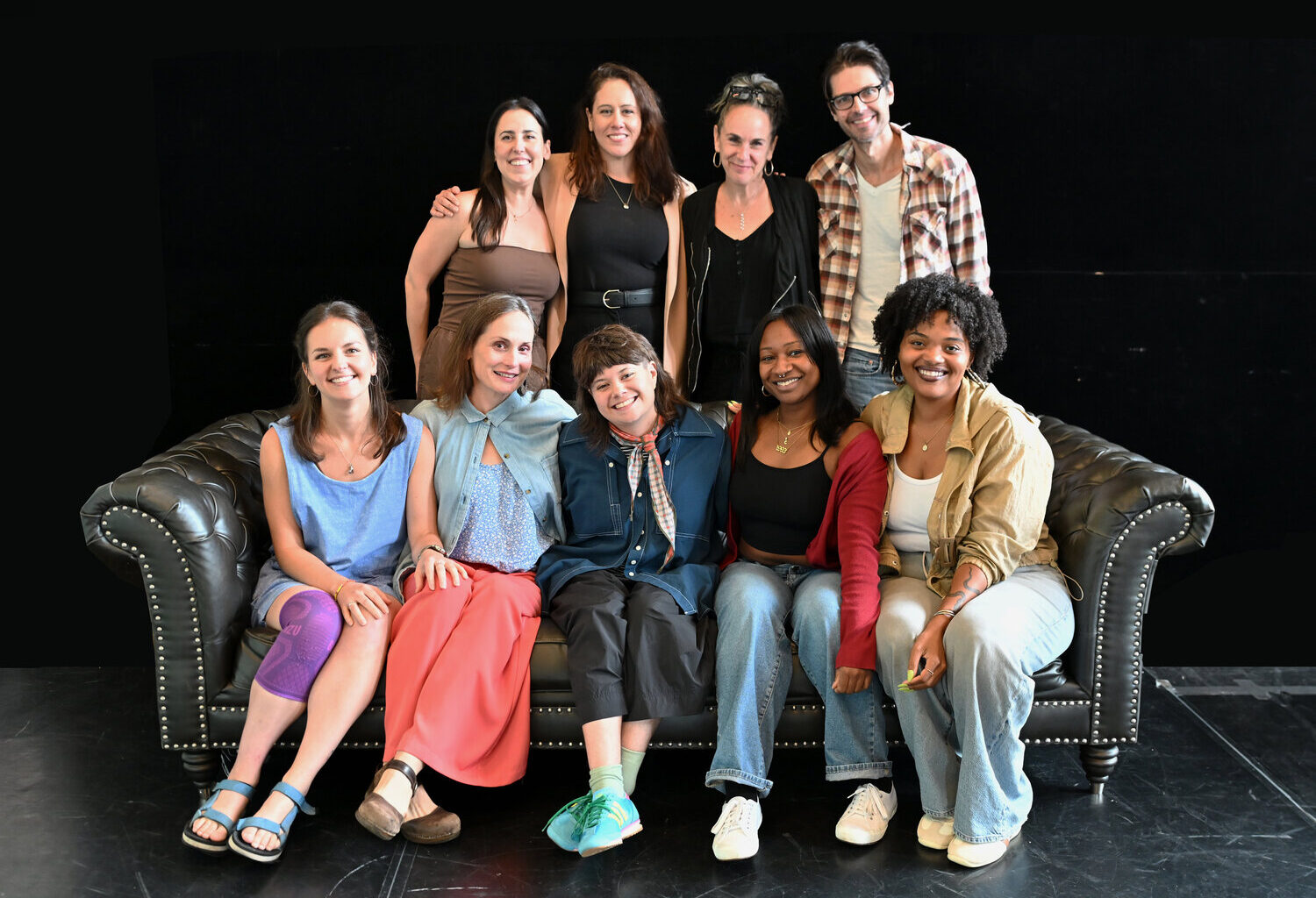
Directed by PTC Co-Artistic Director and Obie Award-winning director Taibi Magar, the production is the first in the country following the play’s Broadway run at Roundabout Theatre Company.
For Magar, bringing the play to Philadelphia was an opportunity she did not want to wait on.
“It’s one of the greatest plays of the 21st century and it just became available for regional theaters to do it,” said Magar. “I felt a real sense of urgency in bringing it right away.”
Looking back to move forward
When Lizzie discovers that her mother was a radical feminist in the 1970s, she begins to uncover the complicated history of a movement that fought for greater freedom and equality for women.
The play’s consciousness-raising group becomes a window into that history. The women speak openly about work, marriage, motherhood, race, desire, ambition and freedom, forming unexpected friendships and solidarity along the way.
However, ‘Liberation’ doesn’t present the women’s movement as a simple story of progress.
Magar said Wohl’s play explores both the achievements and shortcomings of the movement, including the ways Black women and queer women were sometimes excluded from the conversation.
“I love that Bess also acknowledges the way that the movement failed, the way the movement did not always include Black women or queer women,” Magar said.
“I love when plays carry you back in time through a significant point of history,” she continued. “It happens to be a history that I didn’t know very well. I learned more about Black civil rights than I did about the women’s liberation movement.”
The play was written in the aftermath of the U.S. Supreme Court’s 2022 Dobbs v. Jackson Women’s Health Organization decision, which overturned the constitutional right to abortion. Magar said that context gives the play an added sense of urgency.
“She (Wohl) frames the play to go back in time and understand what that’s like because it feels like it’s all slipped away,” said Magar. “Bess was writing this after the Dobbs Act, and I think that has a real pressure on the play. Of all the progress we thought we made in the women’s liberation, why does it feel like it’s all slipping away? Why does it feel like we are having to fight again for the things we thought we already won?”
Magar also pointed to the renewed cultural conversation around traditional gender roles as another reason she believes the play resonates now.
“As we prepare for the election cycle to start and as we continue to unpack why trad wives are back, there’s a real urgency to bring this play right here right now,” Magar said.
A conversation — and a challenge
While ‘Liberation’ looks back, Magar said the play is ultimately less interested in nostalgia than in asking audiences to consider what has changed and what has not.
The women at the center of the story wrestle with questions that can feel both specific to their era and strikingly familiar today.
“It’s like a lived experience because you’re watching it and you get to understand the urgent questions they were really wrestling with and the ways that they succeeded,” said Magar.
“It’s written so beautifully. The characters are so gorgeously vivid and complicated. You feel the power of what they did, and you feel the limitations of what they did,” she added.
A performance without phones
Philadelphia Theatre Company will present every performance of ‘Liberation’ phone-free. Upon arrival, phones will be secured in Yondr pouches that remain with audience members throughout the performance.
The policy is particularly important because of a five-minute scene at the beginning of Act Two in which six actresses appear fully nude.
“It’s part of the consciousness-raising group. They decided to get naked, and it’s a gorgeous and riveting scene,” said Magar, adding that, “There’s no way to keep our actors safe being nude if you don’t take the phones away.”
“We had some actors who declined to audition (because of the nudity),” Magar continued. “It’s an extraordinary ask on an actor… Getting a really great play about women by women is so deeply rare that I think everyone just rallied around the play. It was really easy to cast. It’s an incredible group.”
On the Philly stage
‘Liberation’ will run for a limited 18-performance engagement from Oct. 9 to 25 at the Suzanne Roberts Theatre.
For Magar, the production offers Philadelphia audiences more than a look back at the women’s liberation movement. It creates an opportunity to consider the questions that movement raised — and how many of them remain unresolved.
“It’s this gorgeous portrait of a really riveting time that also flips into modern and asks incredibly incisive questions about where women’s liberation is now.”
MORE: The stories of Philadelphia women who shaped history
Keywords
Philadelphia Theatre Company,
Liberation,
Bess Wohl,
Taibi Magar,
Suzanne Roberts Theatre,
Philadelphia theater,
women’s liberation,
Things to do,
Philadelphia arts and culture