
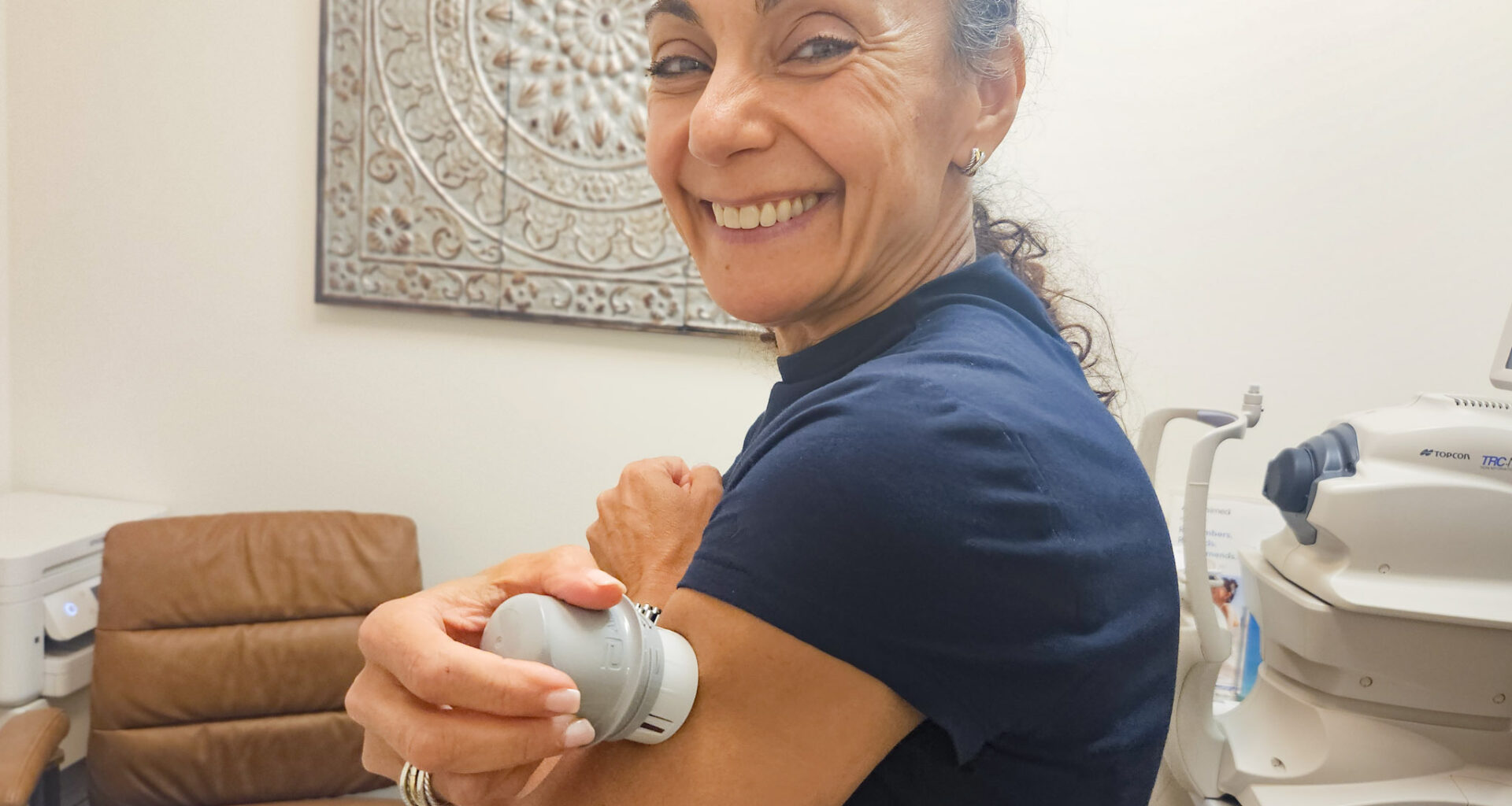
Primary care clinicians take on diabetes care and treatment tools
Personal CGMs for diabetes management came to market in the early 2000s and primarily targeted people with Type 1 diabetes, a chronic autoimmune condition. The monitors also became available to people with Type 2 diabetes who took insulin.
In 2024, the U.S. Food and Drug Administration approved the first over-the-counter CGM, which made the devices more widely available to people with Type 2 diabetes who didn’t take insulin, but were still managing the chronic disease.
However, it hasn’t always been easy to get a CGM. Patients would often have to take extra steps to find an endocrinologist who could evaluate and set them up with a device. There’s also a financial barrier. National data shows that it could cost someone as much as several hundred dollars a month out-of-pocket for a monitor, which needs to be changed about every other week.
Many health insurers will now cover the devices, but priority is on patients who take insulin. Coverage for non-insulin Type 2 diabetes treatment is still inconsistent and varies greatly.
Meanwhile, Meyer says there are a lot of efforts to expand access to these monitors where patients can easily get them and afford them, like at their local primary care practices.
Meyer and her colleagues see a lot of patients with prediabetes and Type 2 diabetes. Some don’t even know they have the chronic disease until they make their first health appointment.
“Patients just don’t know,” she said. “If you’re not feeling well, [not] losing weight, peeing a lot, you should probably see your doctor and talk about that.”
Meyer guides patients through the core approaches to treatment: healthy eating and nutrition, exercise, and weight loss, when necessary.
When she introduces patients to CGMs, she explains how they can use them to figure out what exactly is causing their blood sugar to fluctuate — and how to act on it.
“We used to give diabetic patients very general advice, like ‘eat less carbs, eat more protein, avoid refined sugars.’ All very common-sense things that are still true today,” Meyer said. “But what we’ve learned with CGMs is, not all carbs are the same for every patient.”
For example, she has some patients who, if they eat a bagel, their blood sugar will spike to over 400 milligrams, which is considered very high. The target blood sugar level for Type 2 diabetes after eating is 180 milligrams or lower.
“But if they eat a bowl of ice cream, it’s a little high, but it’s not bad,” she said. “And so teaching patients to look at their readings and make choices, very specific choices, as opposed to all-or-nothing choices is great.”
CGMs are a tool that has made diabetes care more personalized, Meyer said. The real-time data can help patients feel more confident in their lifestyle changes.
The monitors can also ease some anxiety and stress a patient might feel if they still need insulin or another medication, including a GLP-1 drug, to manage their chronic disease.
“Sometimes, diabetes just has a mind of its own,” Meyer said. “We see you’re doing everything right, but look at what your CGM is showing us, it’s time for medication. And that also helps patients really come to acceptance.”
Her health care team in Exton tries to help patients navigate the financial barriers in getting a CGM, and investigates what patients are entitled to through their insurance, she said.
They also try to help people save money in other areas of treatment.
“It doesn’t cost anything to learn how to cook a meal, right?” Meyer said. “So, education is free. We really try to utilize that.”
Meyer’s practice recently started a new treatment approach for a small group of people with uncontrolled Type 2 diabetes. They’re working with a company called LifeChef Health to provide patients with nutritiously tailored meals, as well as dietician support and CGMs.
“And we’re trying to figure out, is it really just medication that works? Is it medication and CGM? Is it the meals?” she asked.
And what they’re learning, she said, is that the best strategy to successfully treat prediabetes and diabetes includes all of the above.
“It underscores the point that diabetes care has to include multiple modalities,” she said. “Of course, sometimes medicine, but we are really underutilizing things like nutrition care and CGMs.”
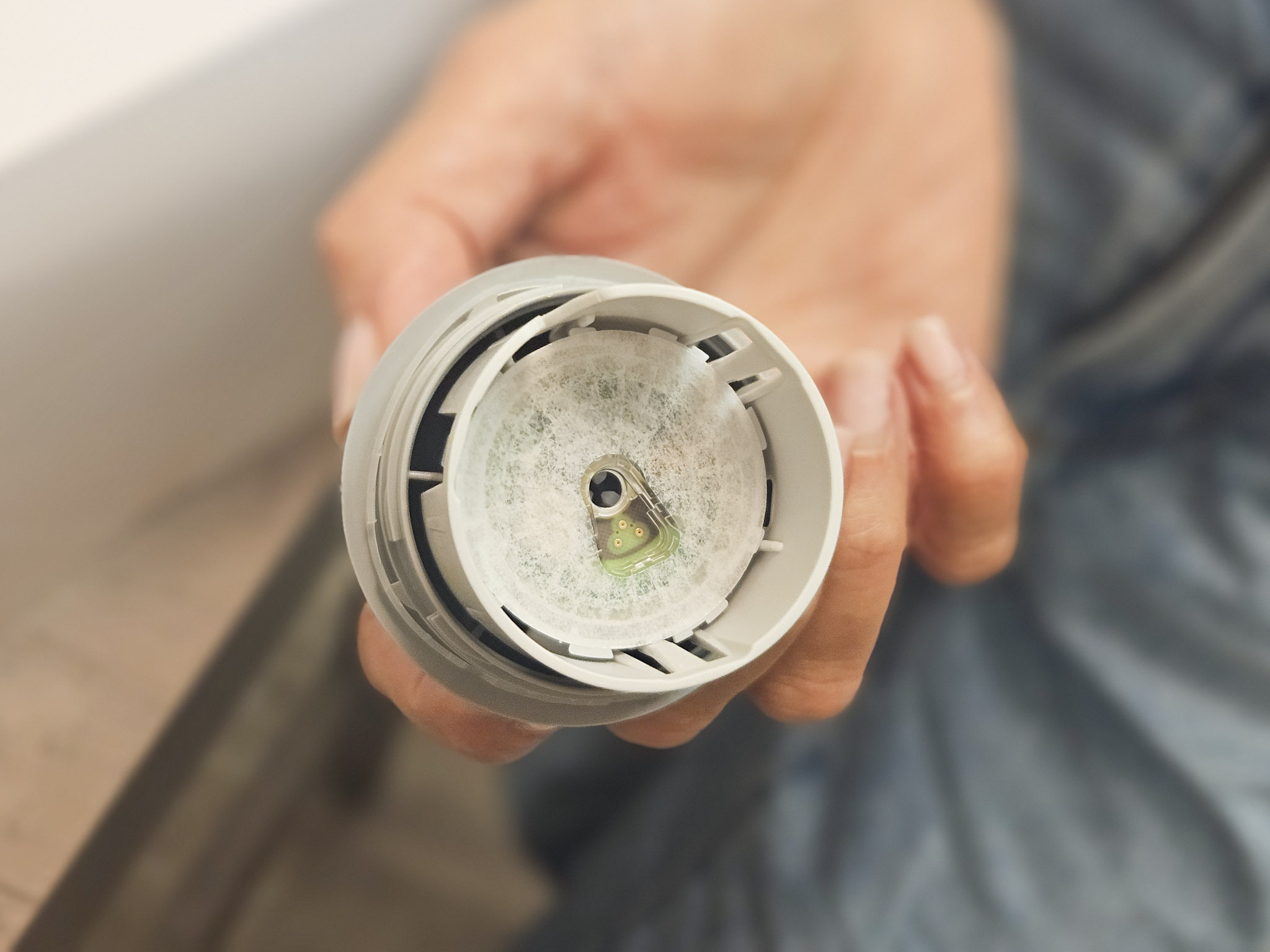 Primary care providers say continuous glucose monitors could help patients with type 2 diabetes better manage the chronic disease, whether they use insulin medication on or not. (Nicole Leonard/WHYY)