
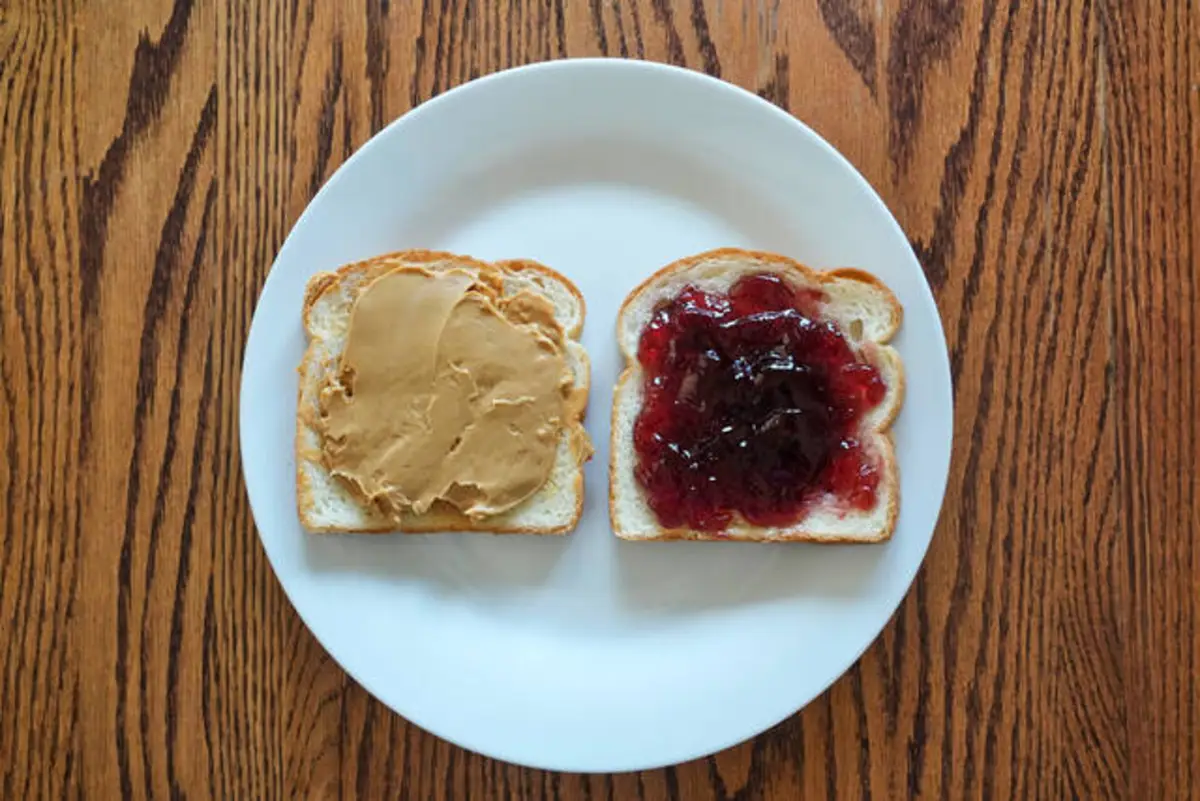
How many commercials or television shows start with a simple, understandable visual? A glass of juice. A bowl of cereal. Hot slices of bread popping out of a toaster. Children running from a bountiful breakfast table to catch the bus.
The message — sometimes spelled out, sometimes unsaid — is that a day of learning doesn’t really start without the fuel of a full stomach.
Schools know this. It’s why some offer free meals. It’s why some teachers will have a stash of snacks such as granola bars or crackers to bridge the gap for kids who miss meals.
Students do better when they’re fed. The National Institutes of Health cites higher grades and test scores, especially in math, as well as fewer absences and less tardiness. The World Food Program notes the importance of nutrition in supporting education-friendly processes such as memory and problem-solving. Multiple studies point to fewer behavior issues with kids who aren’t hungry.
It’s common sense. It’s also a hard target to reach for some families — and it’s getting harder as more people are struggling with food insecurity.
Nationally, more than 1.5 million children have lost Supplemental Nutrition Assistance Program benefits since the One Big Beautiful Bill was passed in July 2025. Just Harvest is an anti-hunger nonprofit in Pittsburgh’s South Side. Ann Sanders, director of public benefits policy and programs, says, in Pennsylvania, that has translated to more than 90,000 kids — more than 7,000 in Allegheny County alone.
Taking away food from children doesn’t just make them hungry. Food is developmental for growing bodies and minds. Bones need calcium from milk and vegetables. Muscles grow with protein. The brain is fueled by carbohydrates. Feed a child less, and the machine that is that child won’t function the way it should.
SNAP loss can affect children at school because receiving SNAP benefits is an automatic entry into free or reduced-price lunch programs. That’s not an issue for Pittsburgh Public Schools children, who all get free breakfast and lunch. However, that’s not the case in all districts.
But for those Pittsburgh Public students, what happens after school? What happens on weekends or holidays?
At Pittsburgh Arlington PreK-8, a pantry that supplies families with food and other needs is one way to tackle that problem.
A collaborative effort of the Greater Pittsburgh Community Food Bank and educational nonprofit A Schools, the pantry has distributed more than 20,000 pounds of food in just 11 months. Similar programs are growing at other district schools.
But it’s a burden that is only getting heavier. On top of the loss of SNAP, food prices are up as much as 30% over the past five years, according to the U.S. Bureau of Labor Statistics. While inflation might have slowed to just a 2.7% increase in August, that’s still an addition over years of spiking prices. Gas prices have gone up about $1.30 this year, sitting at $4.48 nationally — and higher than that in Pennsylvania.
Schools are doing the hard work of educating children. They are doing what they can to keep them fed. But this is a strain bigger than teachers and administrators and food service workers can handle alone.
To do it right requires donation of money and volunteering of time. If it isn’t something that will be done through state and federal money, it has to be done with local hands and hearts.
Featured Local Businesses