
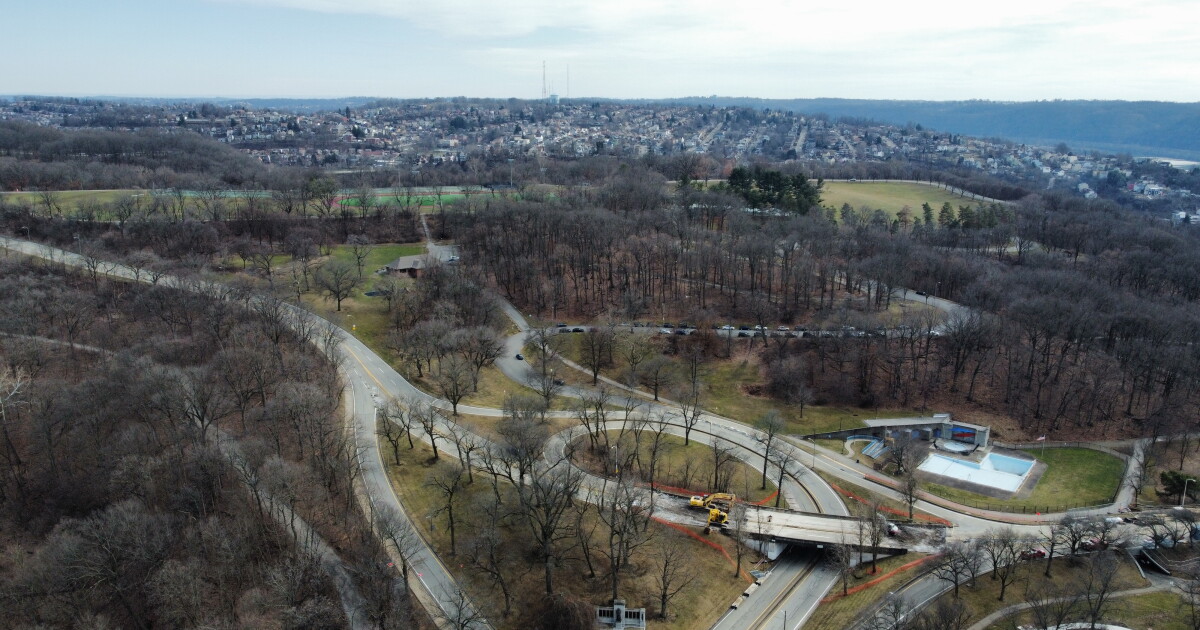
The Allegheny Regional Asset District, a major funder of the Pittsburgh region’s parks, libraries and arts and culture groups, announced its preliminary 2027 budget on Tuesday. The budget includes $135.3 million in operating grants, with the distribution of millions of dollars more in capital grants still to be determined.
Pending those capital grants, the budget contained few surprises.
In all, 105 organizations received funding, about the same as usual.
About one-third of that $135 million was preliminarily allocated to regional parks and trails, with about 31% going to libraries in the county.
About 12% of the total is slated to benefit dozens of arts and culture groups of all sizes, with an additional 10.5% earmarked for sports and civic facilities and 8% for other “regional attractions” like the Pittsburgh Zoo & Aquarium and the Carnegie Museums of Pittsburgh.
RAD allocates the funds from its half of Allegheny County’s sales tax. (The other half goes directly to municipalities for tax relief.) With that cut expected to total $142 million, most recipients of RAD funds got the funding they requested, or only a little less.
A notable exception was the Carnegie Library of Pittsburgh, with its 19 branches in the city. The library, nearly two-third of whose funding comes from RAD, is facing structural deficits, mostly due to a system-wide 2024 increase in operating hours and to expenses like the rising cost of e-books.
While it usually receives funding boosts from RAD of a few percent each year, for 2027, the Carnegie Library requested $35.3 million, an increase of 10%.
“We had increased use, which leads to increased needs,” said library president Andrew Medlar. “So we asked for what we need.”
But in its preliminary budget, RAD awarded the library about half that increase, for a total of $33.1 million. RAD also did not award the library a one-time grant of $1 million it had requested to pay debt service on two 25-year bonds funding capital repairs on library branches: one bond is in its final year, and another the library plans to take out next year, primarily for improvements at its Homewood branch.
That would potentially leave the library with a shortfall of $2 million or more in its budget, which last year was $44 million.
“We’ll be looking at how we can keep serving our neighbors with that, and continue advocacy for the budget because, of course, you know, it is a preliminary budget,” Medlar said. “The public has their opportunity to weigh in on it, and we’ll see what the final one ends up being in December.”
Patrick Doyle
/
90.5 WESA
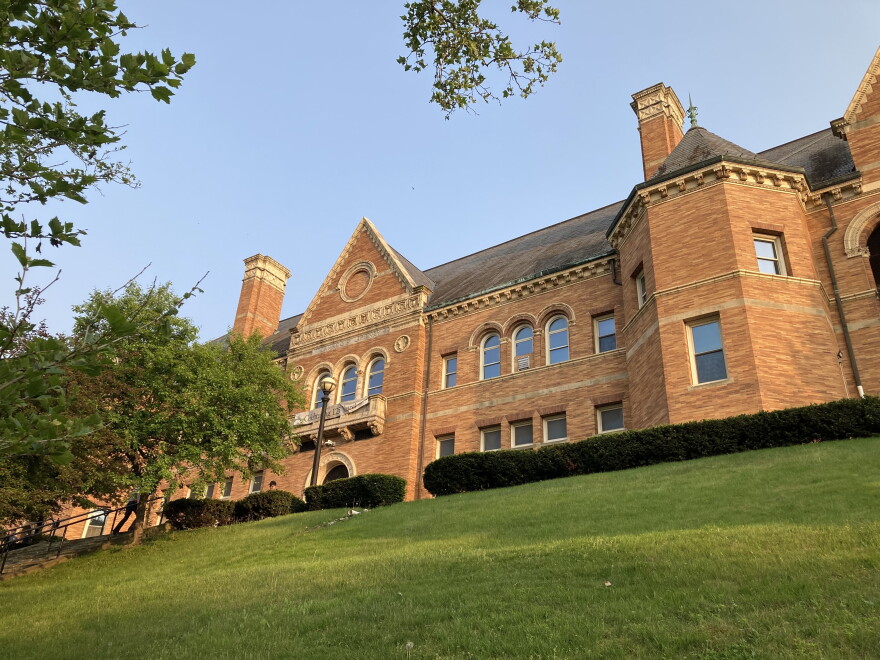
Public libraries like the Carnegie Library of Homestead also receive substantial funding from RAD.
Should the Carnegie Library need to reduce its budget, Medlar said it would look at three areas. One is its expenditures on collections, about half of which now goes toward e-books (though those account for only about 30% of total checkouts). Another is capital maintenance. And a third possibility is “any hour adjustments we need to make that are responsive to how folks are using the libraries.”
The Allegheny County Library Association, which serves four dozen public libraries including the Carnegie Library, received about what it asked for from RAD, about $8.5 million.
Other large allocations included about $6.2 million for the zoo; $4.1 million for the four Carnegie Museums; $3.1 million for Phipps Conservatory and Botanical Gardens; $2.7 million for the Pittsburgh Cultural Trust; $1.9 million for the Pittsburgh Symphony; $1.6 million for the National Aviary; and $1 million for Heinz History Center.
As usual, RAD also allocated funds for debt service on sports stadiums and the David L. Lawrence Convention Center ($13.4 million) and Pittsburgh Regional Transit ($3 million).
Other preliminary allocations of note for arts groups included $200,000 for Confluence Theater of Pittsburgh, which had requested twice that sum for its first season following its creation out of the merger of Pittsburgh Public Theater and the Pittsburgh CLO. However, RAD awarded Confluence a one-time Connections Grant of about $242,000 for expenses related to completing the merger and navigating its inaugural season.
Laura Greenawalt, transition project manager for the merger, noted that Connections grant and the grant in the preliminary budget together were close to the total grants RAD had awarded the Public and the CLO in what proved to be their final seasons as standalone entities.
She said Confluence has a budget of $12.8 million for its first fiscal year, about the combined budgets of the two groups that merged to form it.
The RAD board next convenes Downtown Oct. 27 for a public-comments hearing on the budget. It will also accept written comments through that date. The vote to finalize the budget is set for Dec. 2.