
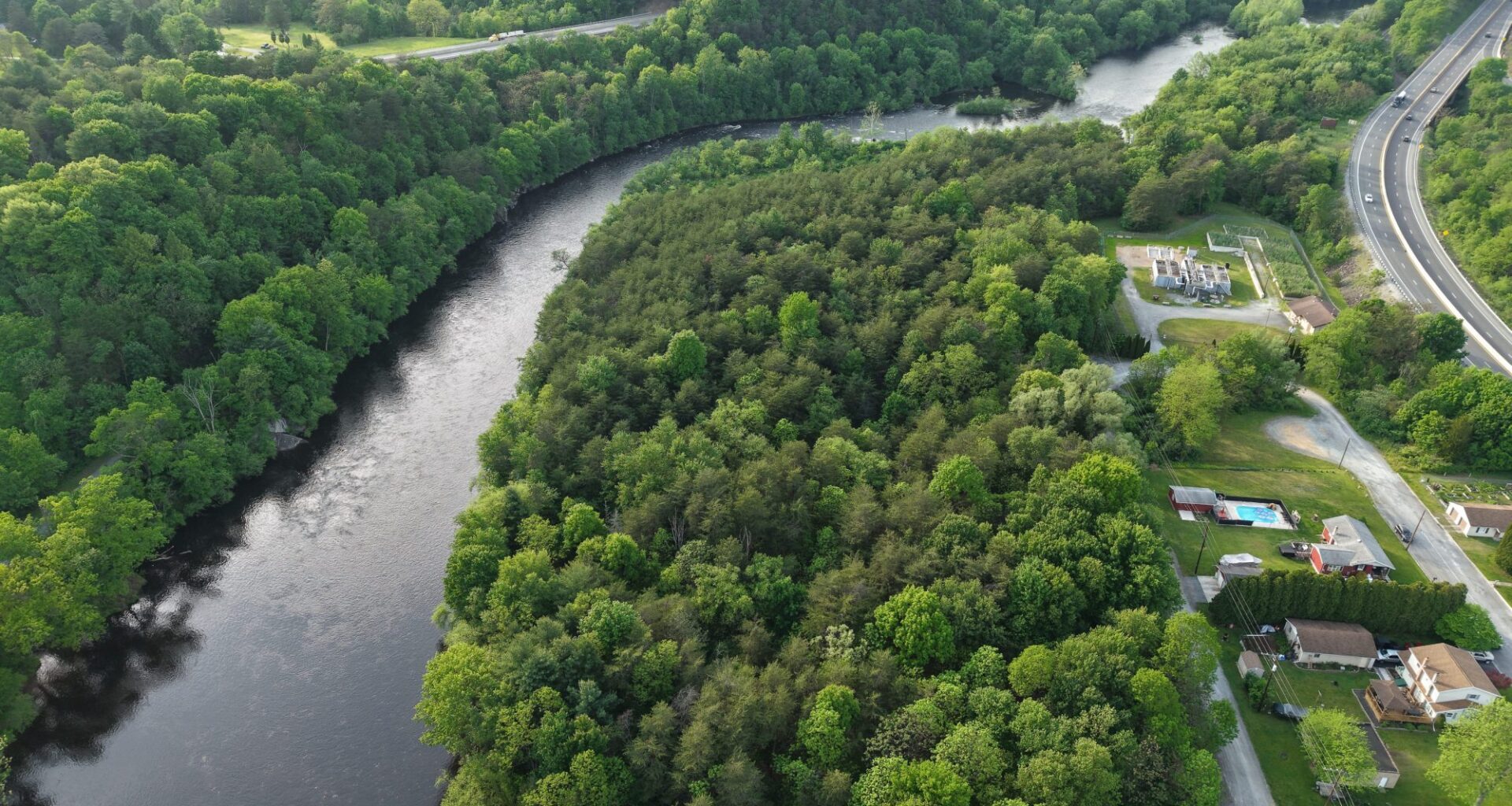
Microplastics proliferate throughout the entire Delaware River Watershed, including the Lehigh River, according to a new report by PennEnvironment.
The report, Microplastics in the Delaware River Watershed, used 130 samples from 22 sites across Pennsylvania, New York, New Jersey and Delaware, and shows just how much microplastics from plastic waste have proliferated in the environment. Fourteen million people get their drinking water from the watershed, said Flora Cardoni, deputy director of PennEnvironment.
According to the report, Americans throw enough plastic away every 15 hours to fill up the entirety of Lincoln Financial Field in Philadelphia. Plastics do not truly degrade; instead, they break down into smaller and smaller pieces over time while still retaining their molecular structure. Microplastics are pieces of plastic that are less than 5 mm in size, or smaller than a sesame seed.
According to PennEnvironment, plastic ends up in the water and environment through various means, including burning, landfills, wear on synthetic clothes, and microbeads from cosmetic products. This creates byproducts such as fragments, fibers, beads, and film from bags and packaging.
Testing found the presence of fragments, fibers and film in the Lehigh River, according to the report.
There are studies showing that microplastics, like regular plastics, can be harmful to animals. There is limited research about the actual definitive effects of microplastics in humans, however, there are studies linking exposure to cancer; heart attacks; digestive, reproductive, and respiratory problems; and other health issues, primarily in animals. And it is known that, on average, humans ingest a credit card’s worth of plastic each week, with tests finding it in the blood and lungs of living people.
Northampton County Executive Tara Zrinksi said at a news conference announcing the report that plastics are not just everywhere in our water, but the majority of food we buy at the grocery store is packaged in plastic.
“You can’t throw plastic away because it never dies. It’s kind of like a cockroach in that way, right? But this water looks clean, right? When you look out there, the water looks cool. The trail looks beautiful. So, this isn’t readily visible to any of us,” Zrinski said. “I don’t want the next generation to inherit a river that looks clean, but carries pollution.”
She said there are small things that the Northampton County government can do like decrease plastic waste and products used in the county courthouse, but the problem must be tackled on a societal level if anything is actually going to change.
‘What we really need to do is get corporations to stop putting things in plastic, to stop manufacturing plastic products so prolifically,” she said.
Plastic recycling has largely been a failure because the difficulty and cost of the process is far greater than that of producing new plastic while also yielding an inferior product.
PennEnvironment is advocating solutions including plastic packaging laws, bans on plastic bags and other single-use plastics and bans on plastic manufacturers from releasing plastic pellets into waterways, Cardoni said.
“We need to change the way that society produces and markets the products that consumers use and buy,” she said. “And we need to make the creators of this environmental hazard take responsibility for the products that they put out in the marketplace instead of saddling consumers with the responsibility of figuring out what to do with their plastics. Most of it being stuff we don’t need or want in the first place.”