
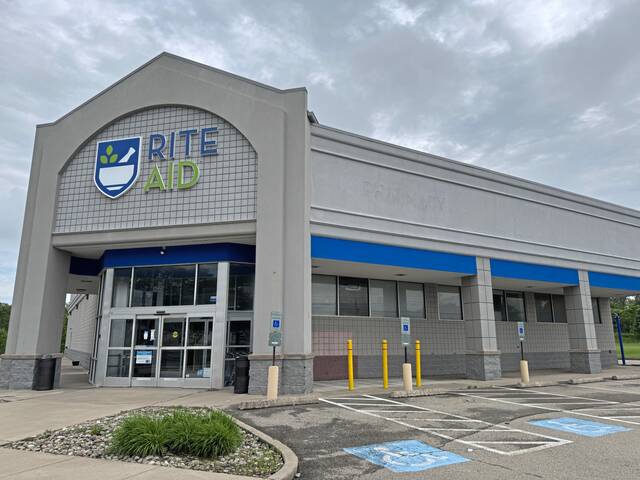
Pennsylvania voters hear plenty of promises about lowering drug costs. They also see pharmacies closing. What happens to affordable medicine when the pharmacy down the street is gone?
In Western Pennsylvania, that cost is landing on more families. Our communities have seen Rite Aid stores and independent pharmacies disappear. Since 2020, about 1,100 pharmacies have gone out of business across the state. Every closure shifts another burden onto patients.
In a recent Patients Come First survey, 88% of Pennsylvania registered voters said candidates’ healthcare positions are important to their vote. More than half said they are very important. On Election Day, candidates will need to explain why getting a prescription close to home is becoming harder.
Pharmacy benefit managers, or PBMs, are middlemen that use their monopolies to decide what pharmacies are paid and which pharmacies patients can use. Pharmacists say low payments and decisions from PBMs make it hard to stay open, and their sheer market power drives up prices for medications. But Pennsylvania’s voters are watching: nearly 89% say PBMs should face greater oversight.
We’ve been hearing talks about the promise of expanding access and lowering costs for Pennsylvania patients. Yet one in four Pennsylvanians said cost had made it difficult for someone in their household to get care.
Voters have reason to ask whether the policies and programs meant to help them are delivering.
Consider 340B. Created in 1992 to help hospitals and clinics serving vulnerable patients, it has ballooned into the second-largest federal prescription drug program, behind Medicare Part D. Hospitals can purchase medicines at steep discounts without lowering a patient’s bill or reporting how they use the savings. The problem is that there’s little to no evidence patients are benefiting from the program. Its size makes the lack of a clear public accounting harder to ignore.
With 10 participating hospitals in the Pittsburgh region, voters have reason to demand answers. Our survey shows that 72% of Pennsylvania voters found it concerning that participating hospitals are not required to report how they spend their savings. Nearly 74% found it concerning that some hospitals might not always use those savings to benefit patients.
Pennsylvania voters see pharmacies closing while the cost of getting their prescriptions rises. Hospitals in their region receive substantial drug discounts, but patients cannot readily see what they gain from them. Candidates can promise affordable healthcare, but voters want answers about who benefits and what elected officials are doing to put patients first.
This November, those answers will matter at the ballot box.
Jennifer Riley is the statewide executive director of Patients Come First Pennsylvania and is spearheading its mission of ensuring Pennsylvania’s patients receive timely access to innovative healthcare.