
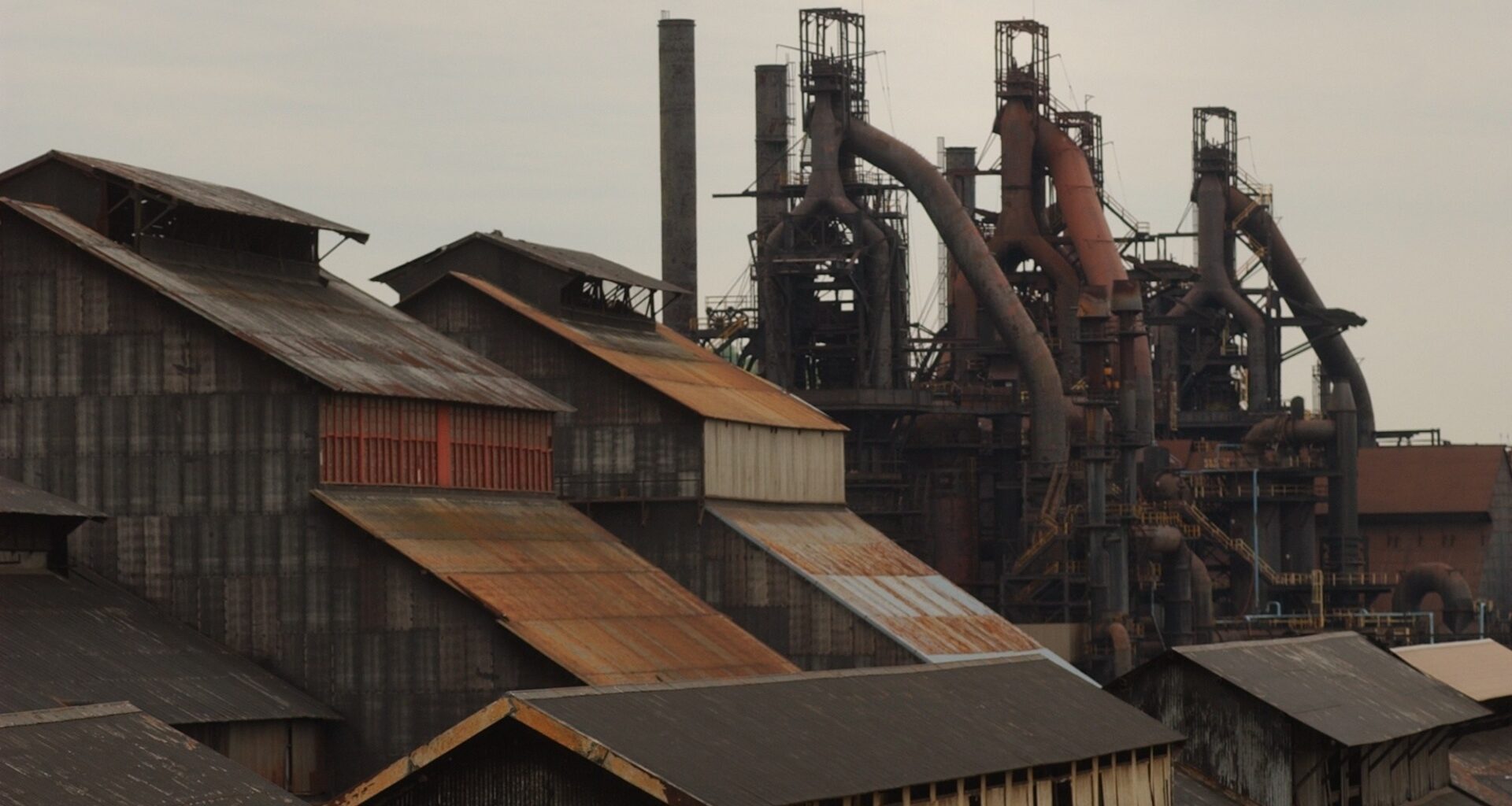
Look at the Bethlehem Steel blast furnaces rising above the Lehigh River, and it is easy to see a monument to American industry. But those towering structures tell another story, too — the story of thousands of people who came from other countries to work, build families and make a life in the Lehigh Valley.
During World War I, Bethlehem Steel employed about 30,000 workers, nearly 10,000 of whom were immigrants. Workers from many backgrounds helped produce the steel that America needed during a critical period in its history.
Their story is not separate from the story of the Lehigh Valley.
It is part of it.
Today, immigration is often discussed as though it were a new national problem. We hear arguments about borders, immigration laws and the changing character of American communities. Those are legitimate subjects for debate. But here in the Lehigh Valley, we have a particularly good reason to remember that immigration is not something new being imposed on our communities.
Immigrants helped build them.
Bethlehem’s growth was closely connected to steel, but the Valley’s immigrant history reaches beyond Bethlehem Steel. Coal mining, railroads, canals, iron and steel production, and other industries attracted people from Europe and elsewhere who came looking for work and opportunity.
They brought languages, traditions, religions and cultures that were different from those of people who had arrived before them.
And they faced suspicion.
Pennsylvania’s industrial communities experienced many of the same tensions we hear in immigration debates today. Newcomers were sometimes viewed as outsiders, accused of taking jobs or changing the character of established communities. Yet generation by generation, those immigrants became part of Pennsylvania.
They became our neighbors.
Their children attended our schools. Their families built businesses, worshiped in local congregations and participated in civic life. Eventually, the descendants of yesterday’s immigrants were no longer viewed as newcomers at all. They were simply Pennsylvanians and Americans.
Bethlehem offers a particularly powerful example.
At a time when thousands of immigrants were working at Bethlehem Steel, community organizations also recognized that newcomers needed help navigating their new country. Lehigh University archives document Americanization classes offered to Bethlehem Steel workers in the early 20th century, including instruction that helped immigrants prepare for citizenship.
That history is worth remembering.
It shows that becoming American has never required someone to erase where they came from. It has meant learning how to participate in a shared civic life while contributing something of one’s own.
Today, the Lehigh Valley continues to change. Walk through Bethlehem, Allentown or Easton and you will encounter people whose families have lived here for generations alongside families who arrived more recently. You will hear different languages, encounter different traditions and see houses of worship representing different faiths.
That diversity can sometimes feel unfamiliar.
But unfamiliar does not automatically mean dangerous.
A family living peacefully next door should not become an object of suspicion simply because its members speak another language, have an unfamiliar surname, wear different clothing or worship differently.
At the same time, acknowledging the contributions of immigrants does not require ignoring legitimate concerns about immigration policy.
Every sovereign nation has the right and responsibility to secure its borders and enforce its laws. Americans can reasonably disagree about how many people should be admitted, how the immigration system should work and how the border should be managed.
We can have those debates.
What we should resist is turning a policy debate into suspicion of an entire category of people.
The history of Bethlehem Steel offers an important reminder. The people who helped build one of America’s most important industrial companies did not all come from the same place. They spoke different languages and carried different histories. Yet they worked side by side to build something larger than themselves.
That is also how communities are built.
Immigrants do not simply change the places where they settle. The community changes them, too. Their children grow up in American schools. They become teachers, nurses, engineers, business owners, veterans, public servants and neighbors. Over time, the boundary between “newcomer” and “American” becomes increasingly difficult to see.
That has happened here before.
It can happen again.
The Lehigh Valley does not have to choose between secure borders and welcoming communities. We can insist that immigration laws be respected while also treating people with dignity. We can protect our communities without teaching ourselves to fear everyone who looks, speaks or worships differently.
Perhaps the next time we look at the Bethlehem Steel blast furnaces, we should remember more than the steel they produced.
We should remember the people who stood beside those furnaces — including thousands who were born somewhere else but came here to work, raise families and build a future.
They helped build Bethlehem.
They helped build Pennsylvania.
And, in their own way, they helped build America.
Their story is not foreign to the Lehigh Valley. It is our story.
This is a contributed opinion column. Farid Ahmad of Easton is general secretary for the Ahmadiyya Muslim Community, Lehigh Valley chapter, and has been a letter carrier for the U.S. Postal Service for over 25 years. The views expressed in this piece are those of its individual author(s), and should not be interpreted as reflecting the views of this publication. For more details on commentaries, read our guide to guest opinions at themorningcall.com/opinions.