
Philadelphia has received 152 reports of deed fraud so far in 2026, nearly matching the 159 reports filed during all of 2025, according to the city’s Department of Records.
The numbers highlight concerns about a type of property theft that can leave homeowners and their families fighting for years to reclaim their homes.
Philadelphia District Attorney Larry Krasner believes the problem is more widespread than the reported cases suggest.
“I think deed fraud is going on in a really big way, but there is a small number of cases that are being caught,” Krasner said.
For Elaine Garcia, the issue became personal after the death of her older brother, Frank Garcia, in 2022.
“It wasn’t his time to go,” Garcia said.
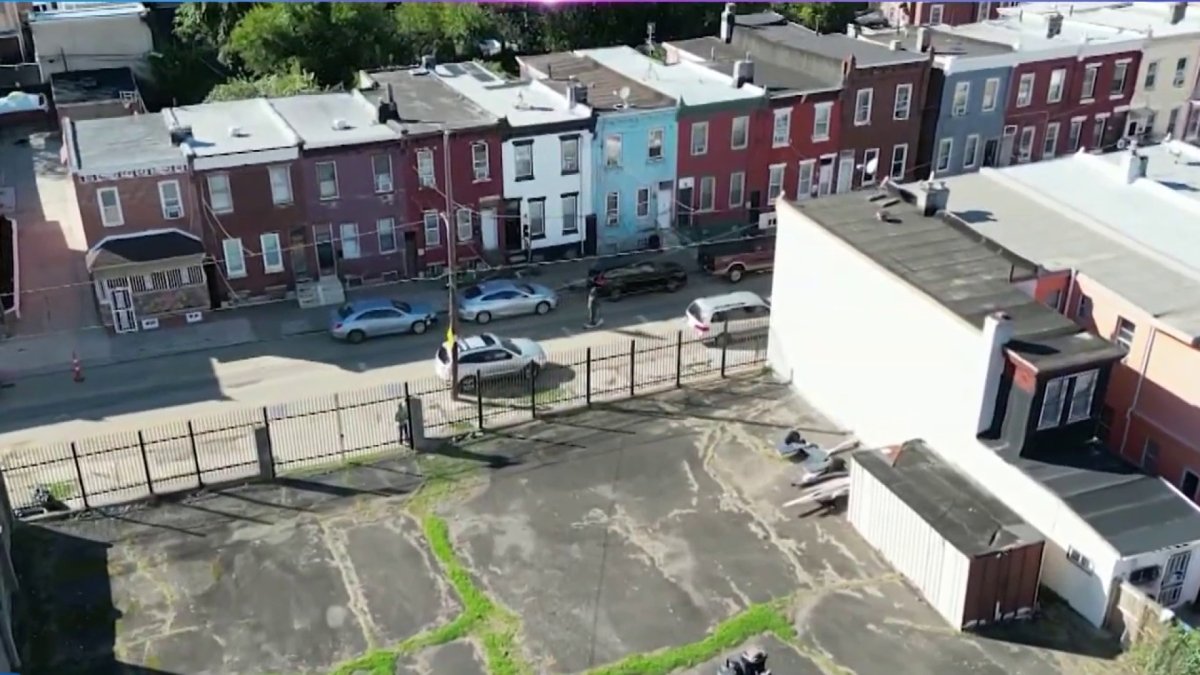
Years before his death, Frank Garcia created a will stipulating that his sister would inherit his belongings, including his Philadelphia home on North Randolph Street.
“He didn’t have a wife or children, and him and I were the closest out of five children,” she said.
But after her brother died, Garcia discovered that his caretaker was still living in the home. When she asked him to move out, she learned something unexpected.
“Oh, he gave me the house.’ I’m like, ‘No, he didn’t,’” Garcia said, recalling the conversation.
Garcia discovered that a new deed had been recorded months before her brother’s death, adding his caretaker and the caretaker’s partner to the property.
The deed showed the property had been transferred for just $1.
Garcia said she immediately questioned the signature on the document.
“I seen a copy of it. I knew that was not his signature,” she said.
She reported her suspicions to authorities.
What is deed fraud, and how does it happen?
Deed fraud occurs when someone illegally changes or transfers ownership of a property without the rightful owner’s permission.
The scheme often involves forged signatures and fraudulent documents that appear legitimate. Once those documents are recorded, the fraud can go undetected for years, and resolving the ownership dispute can take even longer.
Krasner said people committing deed fraud may target properties belonging to older homeowners.
“The people who do it are getting inside information that a senior who has owned a house for a long time is ill or has passed away. And then based upon that, they will try to close in on the house,” Krasner said.
The Philadelphia District Attorney’s Office could not provide the number of deed fraud cases it has prosecuted.
Why are deed fraud reports increasing in Philadelphia?
While the number of reports is approaching last year’s total, Philadelphia Records Commissioner James Leonard cautioned that the increase does not necessarily mean more alleged deed fraud is occurring.
Instead, he said, the numbers could reflect the city’s efforts to make reporting easier and encourage more potential victims to come forward.
“I’m not surprised that we’re seeing more reports as we’ve encouraged more people to do so, and made it simpler for them to file over their phone if they’d like or on a tablet from their home versus having to make the trip to City Hall,” Leonard said.
Leonard encouraged anyone who suspects deed fraud to contact authorities and seek legal assistance.
“Encourage those potential victims to go to the DA’s office, to make a police report, pursue legal assistance, and really it’s ultimately a court that decides whether there’s actually a fraud,” he said.
Auto insurance rates have risen much faster than Americans’ income, according to a new NerdWallet survey. NBC10 Responds’ Valeria Aponte Feliciano spoke to experts about ways you can save money.
How Philadelphia homeowners can protect themselves from deed fraud
The city is working to help homeowners identify potentially fraudulent property transactions before they become bigger problems.
Along with educational seminars, Philadelphia offers a free service called Fraud Guard, which alerts property owners when documents containing their names are recorded with the Department of Records.
“It will give you an email alert if a document’s recorded in our office with your name on it, and then you can click on a link in your email and view that document to determine if you think it might be fraud,” Leonard said.
Homeowners can also take an additional precaution after purchasing property: Make sure the deed was properly recorded with the county.
That information can be confirmed through the county’s recorder of deeds office, where homeowners can check whether public records correctly identify them as the property owner.
Philadelphia woman gets her brother’s home back
For Garcia, reporting her suspicions was only the beginning.
One year after her brother’s death, his caretaker was arraigned and charged in connection with the case.
He later pleaded guilty to financial exploitation of an older adult or care-dependent person and other charges.
Frank Garcia’s home was ultimately returned to his sister.
But the experience left Elaine Garcia with a message for other families who suspect something similar may be happening to them.
“You have to report it. You have, you can’t let this go on,” she said.
This story was originally reported for broadcast by NBC Philadelphia. AI tools helped convert the story to a digital article, and an NBC Philadelphia journalist edited the article for publication.