
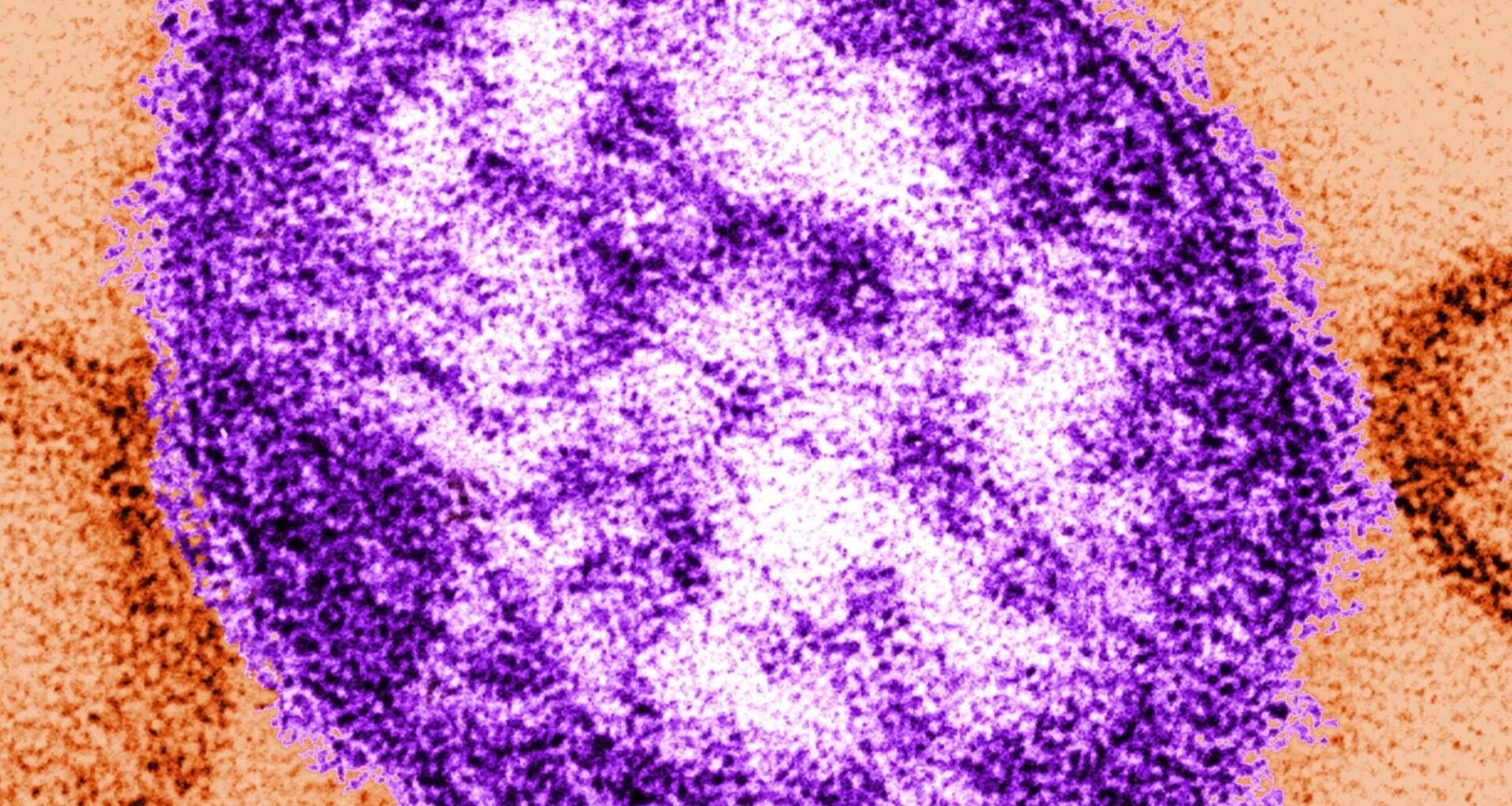
Berks County has added a confirmed measles case, bringing the total this year in the county to seven.
The case was included in the state Department of Health’s latest update Friday that reported a total of 1,260 cases in 43 counties.
The state continues to report five deaths, acknowledging that is investigating a recent death in Franklin County.
The Franklin County coroner on Monday reported the measles-associated death of a 39-year-old woman on Oct. 11.
State officials in their update said that to be considered measles-associated, the department’s epidemiological definition must meet the following criteria:
• The death must occur within 30 days of symptom onset in a person with clinical evidence of a measles infection and a positive laboratory test.
• The death must not be due to unrelated causes (e.g., motor vehicle accident).
• Additional information, such as whether an individual was exposed to a confirmed measles case prior to death or supporting medical records, is also considered.
Officials noted a death occurring more than 30 days after the onset of symptoms would not be counted.
The department’s update noted the following:
• New positive cases since Oct. 14: 38
• Total counties: 43
• Total cumulative cases: 1,260
• Total hospitalizations: 238
• Total confirmed measles-associated deaths: 5
• Measles cases among vaccinated individuals: 4 (less than 1% of cases)
According to the department’s dashboard at pa.gov/measles, Lancaster County remains the leader in cases with 452.
Cases in the region: Chester County, 91; Lebanon County, 21; Montgomery County, 3; Schuylkill County, 3; and Lehigh County, 2.
State health center staff have administered more than 6,100 measles, mumps and rubella (MMR) vaccinations at 210 pop-up vaccination clinics in affected communities since the outbreak began in late April, officials said.
Overall, the department has given nearly 9,300 MMR vaccine doses this year.
Officials said health care providers continue to see an increase in residents interested in the MMR vaccinations. Providers typically administer about 25,000 doses of the vaccine a month. They said more than 56,000 doses were given in September and that more than 23,000 MMR vaccines were given in the first two weeks of October.
The department continues to advise that the best protection against measles is to get fully vaccinated. The two-dose MMR vaccine boosts a person’s immune system and provides 97% lifetime protection, they said.
Because measles continues to spread, the department said it recommends an additional early zero dose for infants between the ages of 6 and 11 months who live in or travel to counties flagged on the measles dashboard for sustained community transmission. They said the early dose does not replace the two routine doses. Children 12 months and older who have not received any dose should get one now and a second dose at least 28 days later.
Those who have two documented doses of MMR do not need another, the department said. Adults who have only one dose or cannot find their vaccination records should talk with a health care provider or pharmacist about getting vaccinated.
Measles is spread when someone who is infected breathes, coughs or sneezes. The virus remains infectious in the air and on surfaces for up to two hours after the infected person leaves the area, the department said.
Symptoms begin with fever, cough, runny nose, and red, watery eyes (conjunctivitis), followed by a rash that starts on the head and spreads downward.
Without proper protection or supportive care, measles can be deadly, officials said. Symptoms can start seven to 21 days after exposure.
If you believe you were exposed to measles and are experiencing symptoms, you are advised to contact your health care provider or call the health department’s hotline at 877-PA-HEALTH (877-724-3258).