
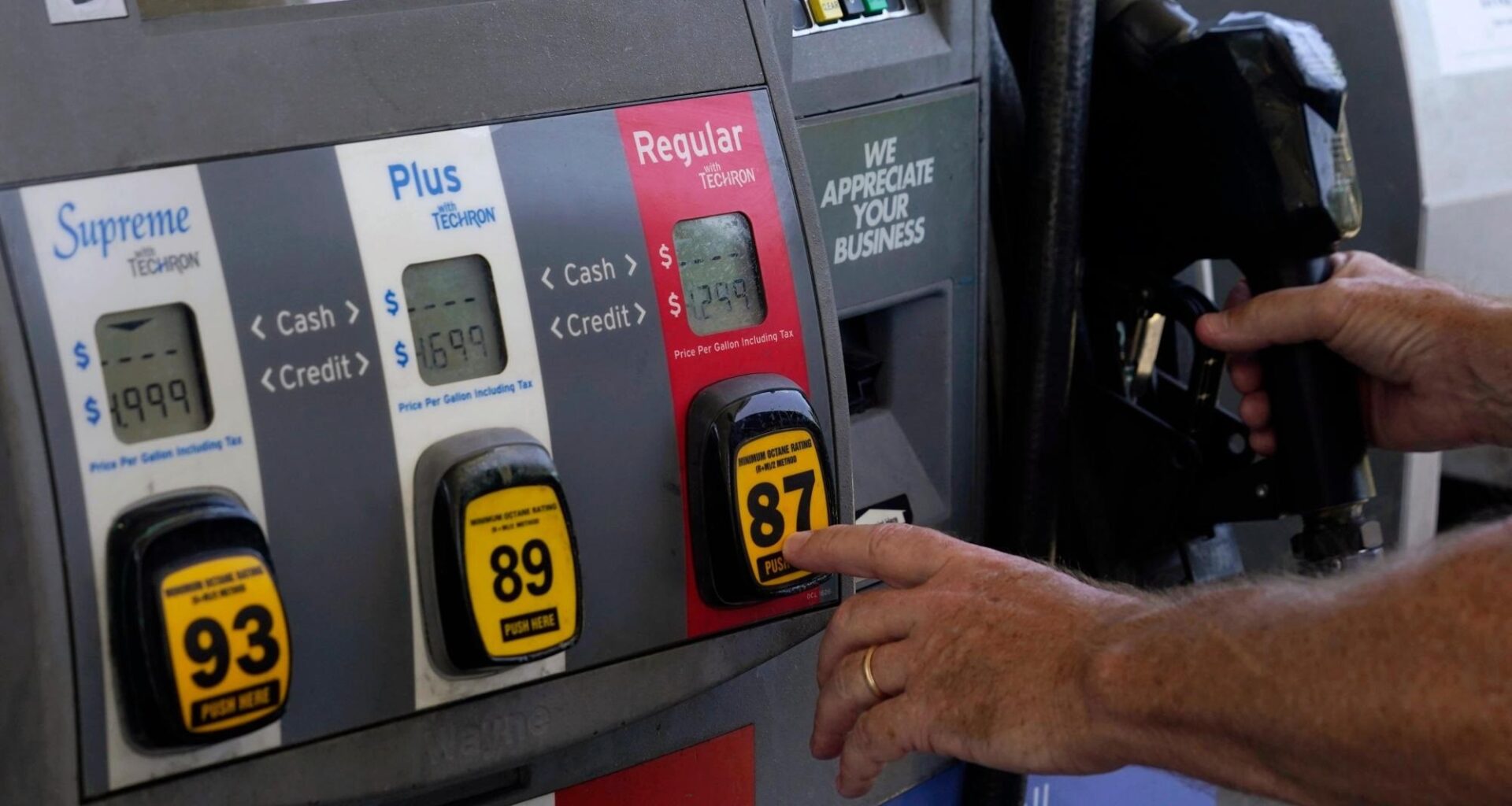
Here’s a tidbit of welcome information: The average price of a gallon of regular in the Philadelphia market was down 7.7 cents per gallon in the week ending Sunday to $4.35, according to GasBuddy’s survey of 979 stations in Philadelphia.
That price is 18.0 cents per gallon lower than a month ago, but $1.19 higher than a year ago. The $4.35 per gallon is by far the highest price on record for an Oct. 19.
The cheapest station in Philadelphia was priced at $3.65 per gallon on Sunday while the most expensive was $5.49, a difference of $1.84.
That’s a wide variation in prices. Here’s the GasBuddy locator to determine where you might get a better price than you’re paying now: www.gasbuddy.com/gasprices/pennsylvania/philadelphia.
That Philadelphia market average includes some areas in Delaware and New Jersey where gas prices are historically cheaper. It also includes warehouse stores, where prices are typically cheaper.
The prices in adjoining states offer some relief, with New Jersey at $4.22 per gallon at close of business on Sunday, down 9.5 cents for the week; and in Wilmington the average cost was $4.03 per gallon, down 19.9 cents for the week.
The national average per gallon was down 5.5 cents per gallon for the week ending Sunday to $4.24. The national average is down 23.0 cents per gallon from a month ago but $1.26 higher than a year ago, according to GasBuddy data.
The national average price of diesel increased 5.2 cents compared to a week ago to $6.30 per gallon, GasBuddy says.
“Average gasoline prices declined in the vast majority of states over the last week, led by a combination of state fuel tax suspensions and price-cycling markets working their way back down, while diesel rose in most states, though the largest diesel decline was driven by a state tax suspension,” said Patrick De Haan, head of petroleum analysis at GasBuddy. “For now, the outlook remains tied to geopolitical developments, and some price-cycling states could see upward swings in the days ahead if oil markets firm at all. Motorists in states that benefited from tax suspensions may continue to see some insulation from broader market pressures, but the overall picture remains fluid.”