
A “bell-to-bell” ban on student cellphone use is finally passing into law. While restrictions are already in place in many school districts across Northeastern Pennsylvania, school administrators are still preparing to implement a policy that could be a transformative culture shock to a generation of students well entrenched in the digital age.
The General Assembly enacted the ban Wednesday. It prohibits students from using their cellphones or other electronic mobile devices, and “restricts” students’ possession of the devices, for the full duration of the school day. It applies to both traditional public schools, as well as charter, private, and parochial schools and takes effect at the start of the 2027-28 school year.
Gov. Josh Shapiro had previously called on the General Assembly to enact a ban and issued a statement on social media Wednesday afternoon indicating he would sign the bill into law.
Crestwood Superintendent Anthony Dicton expressed optimism about the ban.
“I think it’s going to be a good thing for schools,” Dicton said. “There’s a lot of issues (with excessive phone use), and obviously the legislature agrees that kids are on their phones too much.”
Scranton School District numbers among those that already limit student cellphone use. Scranton elementary students are required to keep phones in their backpacks, while students at intermediate school and Scranton High School are expected to leave their phones in their lockers.
“The Scranton School District already has policies in place that limit student cell phone use during the school day,” Scranton Superintendent Erin Keating said in a statement the district issued Thursday. “Once the Pennsylvania Department of Education releases its official guidance, we will review our existing policies and develop or revise any necessary policies and procedures to ensure full compliance with state requirements.”
At the Shenandoah Valley School District, students are generally banned from using cellphones, headphones, earbuds, and other electronic devices, though students in seventh through 12th grade may use them in the cafeteria.
Shenandoah Valley Superintendent Brian Waite wrote in an email that his district had created new policies in anticipation of a ban and said he would review the requirements of the new bill.
“Ultimately, we believe a consistent approach, combined with family support and consistent staff enforcement, is essential to minimizing the use of personal technology when it is not necessary for educational purposes,” Waite wrote.
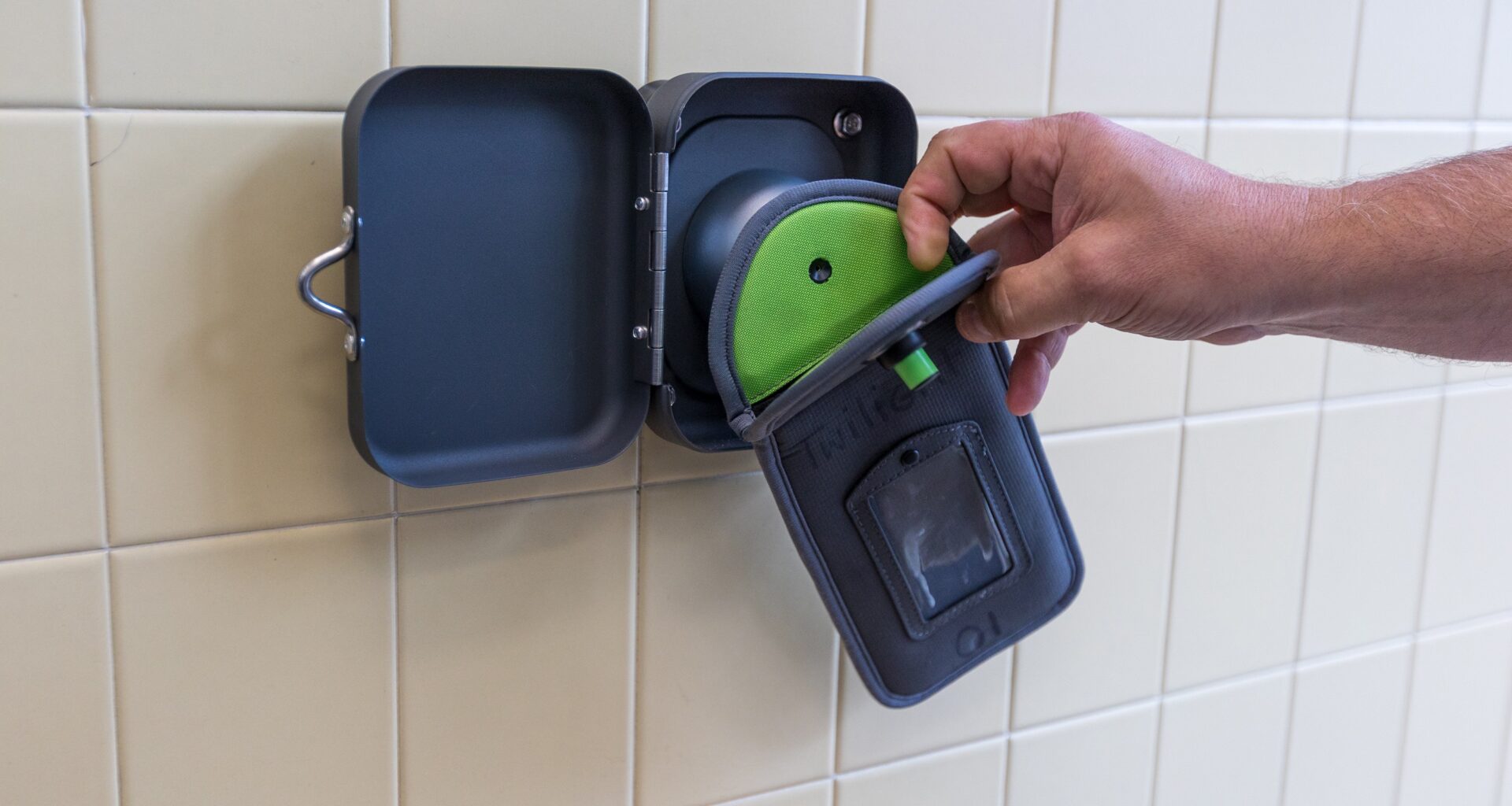
Crestwood School District currently has students turn over their phones to their teachers at the beginning of each class to be kept in pouches analogous to calculator cases – a policy similar to those that exist at other school districts in the Wyoming Valley, such as Wyoming Valley West. Dicton said he and the Crestwood school board would review the new legislation and related guidance from the Department of Education and determine whether changes need to be made to their current policies.
“When they say it’s going to be a bell-to-bell cell phone ban, I don’t know what that means or what it looks like for school districts yet,” Dicton said. “So, I’m not sure of all the intricacies of the bill.”
The General Assembly adopted the cellphone-ban bill on a bipartisan basis, passing the state House in a 141-62 vote; and the Senate in a more commanding 47-3 vote.
The legislation specifically tasks school boards with designing their own policies to prevent students from using their cellphones during the school day and “restricting” their possession. The ban also applies to all portable electronic devices that can access the internet, send and receive messages, and play audio or video.
Though the degree to which cellphone possession must be “restricted,” was not immediately clear, the bill does specify that schools will not be required to take “possession” of students’ phones. School boards that do opt to have students surrender their phones to the district during the school day, however, will not be held liable for damage to the phones, given good-faith effort was made to secure them.
There are a number of required exceptions to the ban. Students who have a valid medical reason to use their phones or other devices, as well as those that need them for English-language translation are exempt; as are students with an Individualized Education Program that requires their use. There are also limited instructional exceptions allowed, but phones cannot be used in the core curriculum.
Schools must also notify parents and guardians of notification systems and emergency-contact systems they can use to contact their students.
Dicton said he also believed the ban could improve student focus and allegedly addictive use of social media. In 2023, then U.S. Surgeon General Vivek Murthy issued a report warning that social media use could have adverse effects on youth mental health. Thousands of school districts across the country have sued major social media companies for damaging students’ mental health, leading to massive, multi-million-dollar settlements.
“There will be less social media presence when kids are addicted now to different social media platforms,” Dicton said. “There’s a lot of medical science, if you will…behind this legislation. This wasn’t just willy-nilly passed to be negative towards kids.”
Earlier this month, the Greater Nanticoke Area school board retained an attorney in a multi-district lawsuit against Meta, the parent company of Facebook and Instagram.
The district already requires students at Greater Nanticoke Area High School and Educational Center to keep cellphones in their lockers during the school day.
In an email Thursday, Greater Nanticoke Area Superintendent Ronald Grevera indicated the district was already having positive results, promoting classroom discussion and engagement. Grevera also said he hoped the legislation would work to address the alleged adverse effects of social media over which the district is now litigating.
“It has been determined that many of the social media companies utilized algorithms that have actually proved to be addictive to children which has been detrimental to their development,” Grevera wrote. Too much screentime for students is not good!”
With full implementation a little less than a year away, school districts will have time to develop the specifics of their plans.
“It will go into effect in the ‘27-’28 school year, so we’ll obviously have a plan in place…and then get that out to families,” Dicton, of Crestwood, said. “We’ll do right by our families here and follow the law.”