
By Marvin Webb
When I read about the departure of Lehigh Valley Public Media’s latest CEO after little more than a year, my first reaction was probably the same as many readers: What happened?
But because I spend much of my professional life looking at nonprofit finances, I had another question. What did the numbers look like before she got there?
To be transparent, I love a Form 990. It is the annual tax return most nonprofits file, and if you know where to look, it tells you an extraordinary amount about an organization’s finances and operations. So I went back through nine years of LVPM’s filings.
What surprised me was not one bad year. It was the pattern. In seven of those nine years, reported expenses exceeded revenue. By fiscal 2024, LVPM was spending about $13.5 million a year. Contributions and revenue from services brought in roughly $4.6 million. Investment income and reserves helped bridge the difference, but that is a large gap to sustain year after year.
LVPM’s most recent CEO, Hasanna Birdsong, arrived in June 2025. She did not create that financial history in a year. Nor, in today’s fundraising climate, could anyone reasonably expect her to reverse it in a year.
One thing nonprofit boards sometimes misunderstand is the difference between an income statement and cash flow. The income statement shows revenue and expenses over a period of time. Cash flow tells you whether the money will be there when bills come due. A nonprofit can hold significant investments and still need to plan carefully for the timing of payroll, grants and other expenses.
LVPM’s fiscal 2024 filing showed less than one day of spending in its year-end cash balance, alongside a substantial investment portfolio. That single-day snapshot cannot tell us everything about available liquidity. It does, however, reinforce why a board needs a forward-looking cash-flow forecast, not just an annual accounting of what came in and went out.
This is where the board comes in. A governing board should not be managing the day-to-day details. Staff do that work. But the board has a fiduciary responsibility to ask whether the organization can sustain the budget and strategy it approves. It should monitor results against the budget, understand future cash needs and ask hard questions when spending consistently exceeds recurring support.
My question is not, “Who should be blamed?” It is, “What were the executive team and board seeing, and when?”
Earlier this year, LVPM had painful layoffs as it confronted continuing losses and the loss of federal support. Federal cuts mattered, but public reporting also made clear that the underlying business model was already under strain. Now the CEO is gone, though we do not know why.
Still, a leadership change does not cure a financial problem years in the making. If the older tax filings had shown a different trend, I would have a different opinion.
So what should happen now? Start with a realistic cash-flow forecast. Identify the fixed costs of the core mission, distinguish them from costs that can change, and examine not just how much revenue typically arrives but when. Build projections that give the board choices before a shortfall becomes an emergency.
An organization this complex also needs CFO-level financial analysis, whether that expertise is on staff or otherwise available. A controller typically focuses on accurate accounting and reporting. The board also needs financial leadership that can look months and years ahead, explain the options and help management act on them.
In my own work with nonprofits, I tell clients when the numbers show that an organization is on track to run out of cash 10 or 12 months down the road. The choices may be painful: Raise more money, reduce expenses, draw on reserves, or combine those steps. The difficult part is not always seeing the problem. Sometimes it is acting in time.
Nonprofits are mission-driven, but they are still businesses. They employ people, raise money and have bills to pay. LVPM’s filings indicate reserves have helped cover its gap. That can buy time, but it cannot substitute indefinitely for a sustainable plan.
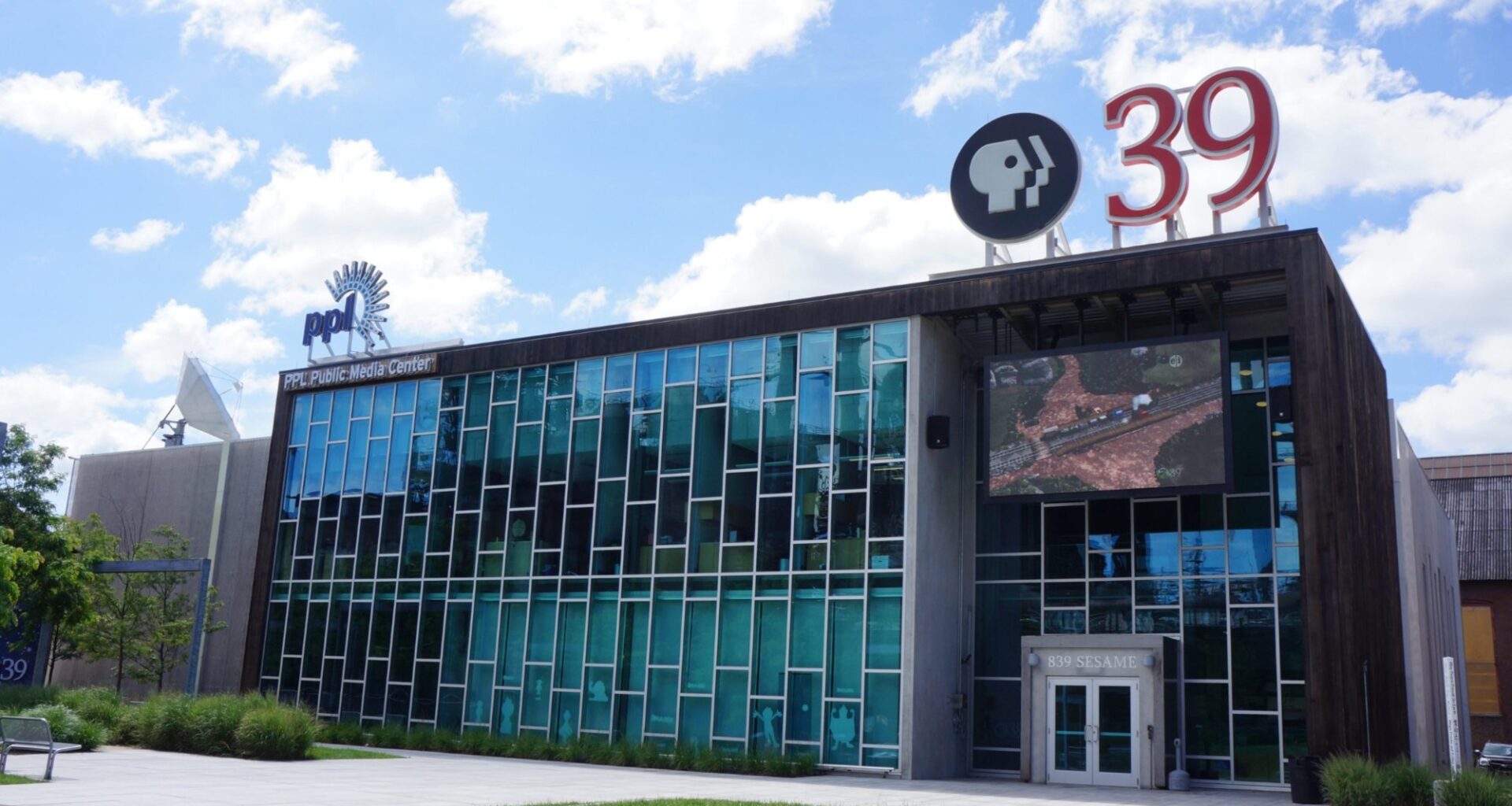
I want Lehigh Valley Public Media and its affiliates, PBS39 and WLVR, to succeed. They matter to this community. That is why our conversation should be bigger than who occupies the CEO’s office. A leadership change may be necessary. It is not, by itself, a financial strategy. Look at the trend early enough, and there are still choices. Wait until the crisis is visible, and those choices get much harder.
This is a contributed opinion column. Marvin Webb is founder and CEO of Marvin Webb Micro Consulting, a Bethlehem firm providing fractional CFO and CHRO services to nonprofit organizations. He has served on national and local nonprofit boards. The views expressed in this piece are those of its individual author(s), and should not be interpreted as reflecting the views of this publication. For more details on commentaries, read our guide to guest opinions at mcall.com/opinion.