
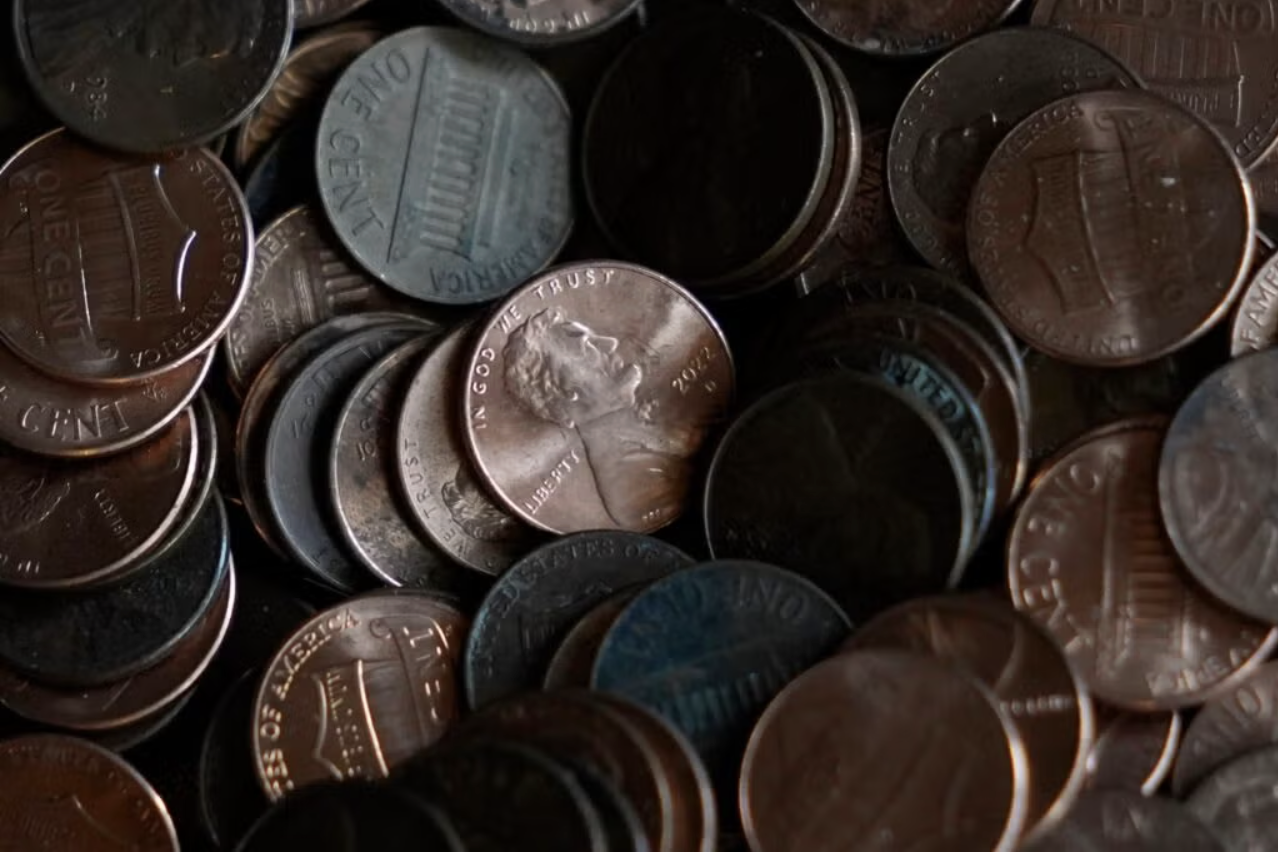
The penny was born in Philadelphia — and that’s where it ends, too.
The final one-cent piece was stamped Wednesday, at the U.S. Mint on Philly’s Independence Mall, with U.S. Treasury Secretary Scott Bessent and Treasurer Brandon Beach in attendance for the final production run.
The move is part of President Trump’s general cost-cutting since his return to office earlier this year. The president claims each penny costs about four cents to produce, making it too expensive to produce; that they are increasingly irrelevant due to inflation; and that the Treasury Department expects to save $56 million per year not making them.
The penny has a long history in Philly. Here are (at least) eight things you should know about the coin and its place in history and the city.
Philadelphia is the birthplace of the penny
The penny was conceived with the Coinage Act of 1792. The U.S. Mint, located on Seventh Street between Arch and Filbert Streets, produced the nation’s first batch of copper cents — 11,178 of them — in March 1793. Coin production relied on manual labor and horse power, making it slow and labor-intensive. It wasn’t until 1836 that steam-powered coin presses revolutionized the process.
The penny’s evolving purchasing power
It’s always been worth one cent, but in 1793, that could buy you a biscuit or a candle. We went to Amazon and found … nothing but an apologetic chatbot.
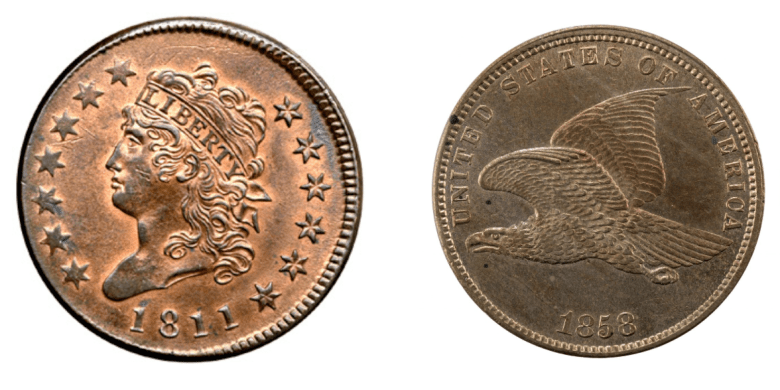 Early pennies, from 1811 and 1858, respectively.
The first penny didn’t have Lincoln’s bust, duh
The earliest Philadelphia pennies were large and made of nearly pure copper, featuring simple, symbolic designs representing liberty. Later ones had images of wheat. The iconic Lincoln cent — still America’s penny — began production in Philadelphia in 1909. It was a major departure in that it depicted a person, something that was associated with monarchs. Afterward, American historical figures — mostly dead, with few exceptions — became the norm. The current president has floated the idea of “a Trump coin.”
The Mint has moved quite a bit
As Philadelphia and the nation grew, demand for coinage outpaced the original Mint’s capabilities. The Mint moved to a larger, more modern building (designed by William Strickland) in 1833 at Juniper and Chestnut streets. It then moved to an even larger facility on Spring Garden in 1901, and landed at its current location on Independence Mall in 1969.
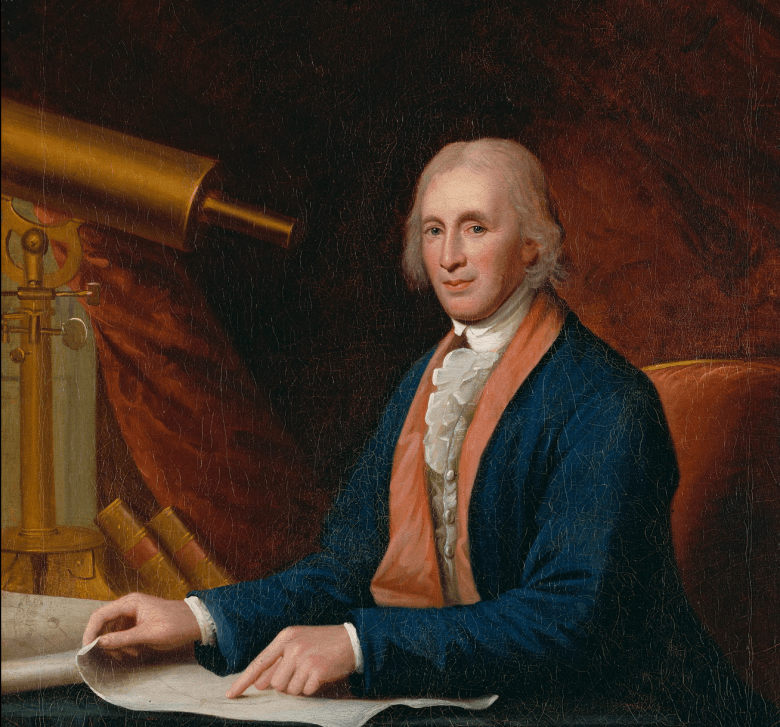 David Rittenhouse (Wikipedia)
The Mint’s first director was a Philadelphian
David Rittenhouse, a renowned scientist and Philadelphia native, was appointed as the Mint’s first director, helping set the standards and practices for American coin production.
Not all pennies have been made of copper
During World War II, Philadelphia minted steel pennies in 1943 to save copper for the war effort, a unique moment in coin history. (If you have one in average condition today, the steel pennies would only be worth around 10 to 15 cents.)
“P” can mark a penny as Philly made, but only for one year
Philadelphia was the only U.S. Mint for nearly 50 years, until gold was discovered out west. U.S. Mints were then opened in San Francisco and Denver (and later, West Point, N.Y.). For over two centuries, Philadelphia-made pennies had no “P” mint mark, which is a one-letter designation to show where a coin was pressed (“S” is for San Francisco, “D” is for Denver, etc.). To celebrate the Mint’s 225th anniversary in 2017, the “P” mint mark briefly appeared on cents for the first time.
There are A LOT of pennies out there
While production ends today, pennies will be with us for a long time. It’s estimated that there are 130 billion pennies — more than 700 million pounds worth — in circulation, though many are in jars, drawers and under couches. And they’ll always be worth something — pennies don’t expire.