

At a middle school in Bucks County, Gov. Josh Shapiro stood in front of students, educators, parents and community members as he put pen to paper.
He signed his name to Senate Bill 1014, officially enacting a law that bans student cellphone usage in schools.
The bipartisan legislation requires public, charter, cyber charter and private schools, starting in the next school year, to adopt policies that prohibit students from using personal cellphones throughout the school day, including during lunch, recess and between classes.
The bill allows exceptions for documented medical needs, special education or disability accommodations, English-language learning devices and other preapproved, limited instructional purposes.
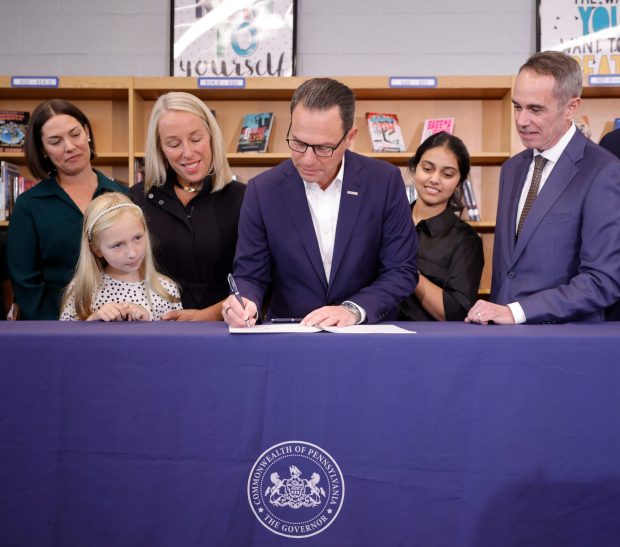 Gov. Josh Shapiro visited Lenape Middle School in Bucks County on Oct. 26 to sign Senate Bill 1014 into law, officially prohibiting cellphone use from bell-to-bell in schools across Pennsylvania. (COURTESY OF COMMONWEALTH MEDIA SERVICES)
The legislation was spurred in part by the results of the biannual Pennsylvania Youth Survey — sent to sixth-, eighth-, 10th- and 12th-graders across the state — that showed 24% of students reported spending four or more hours per school day on social media.
“Technology is a powerful tool, but it’s also a powerful distraction, and I’ve heard from parents and teachers who tell me about how our kids are too easily caught up by addictive algorithms that are preventing them from focusing on school, building relationships with other kids and developing the social skills that help us all relate to each other in person,” the governor said during the Oct. 26 signing event. “I listened to those concerns from parents and teachers all across our commonwealth and called on the General Assembly to put a bill on my desk to get cellphones out of our classrooms.
“Today, I’m delivering on that promise alongside my colleagues in the Legislature and the very educators, parents and students who will see the impact of this bill firsthand — because when we support our kids and invest in their futures, good things happen.”
With Shapiro’s signing of the legislation, Pennsylvania joined more than two dozen other states that have enacted school cellphone bans.
Berks County reaction
In response to the statewide ban, local educators said that in general they support keeping cellphones out of classrooms.
But some said the new law is an overreach and that decisions on how to limit cellphone use should be left to individual districts.
“I think most educators would agree that cellphone use during instructional time should be limited to minimize distractions and keep students focused on learning,” said Andrew Netznik, Tulpehocken School District superintendent. “However, I also believe there should be some flexibility for teachers to use cellphones as an instructional tool when appropriate.”
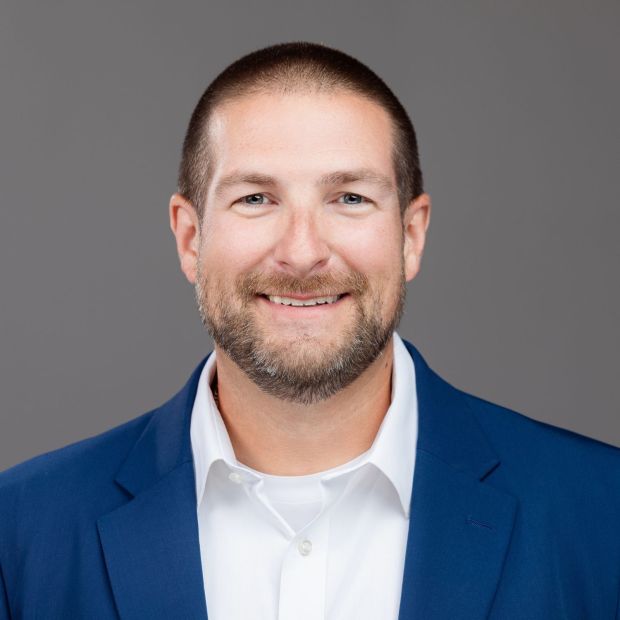 Dr. Andrew Netznik
Netnik said that while he appreciated the intent behind the legislation, he believes the issue is best addressed at the district level.
“School districts know their students, families and staff best and should have the flexibility to establish expectations that meet the needs of their school communities,” he said. “A one-size-fits-all approach doesn’t always account for the needs of individual districts.
“Rather than simply implementing a statewide ban, I would prefer to see an approach that accomplishes the intended goal while still allowing for local decision-making and teacher discretion.”
Hamburg Superintendent Dr. Christopher Beissel said his district already limits cellphone use.
“Cellphones are only permitted in our high school and are only permitted during lunches, study halls and other non-academic times — they are not permitted in class,” he said. “Both the elementary and middle schools have total cellphone prohibitions.”
 Dr. Christopher Beissel
Beissel said cellphones in schools create challenges such as disruption, off-task behaviors and peer harassment.
He cited an advisory issued by the U.S. Surgeon General that states: “Children and adolescents on social media are commonly exposed to extreme, inappropriate, and harmful content, and those who spend more than three hours a day on social media face double the risk of poor mental health including experiencing symptoms of depression and anxiety.”
“This legislation may be a step in the right direction to find an appropriate balance in the amount of time that kids spend on their phones,” Beissel said.
He added that he recognizes the new ban may have enforcement challenges, particularly initially.
“Older students seem to view their phones as an extension of themselves and may struggle with this change,” he said. “As a district, we will work to revise board policy and our student code of conduct to comply with this legislation and implement the changes in a way that is transparent and makes sense for our community.”
Antietam Superintendent Dr. Timothy Matlack said his district removed cellphone access for middle and high school students during instructional time in January 2025. Elementary students in the district have never been allowed to use cellphones.
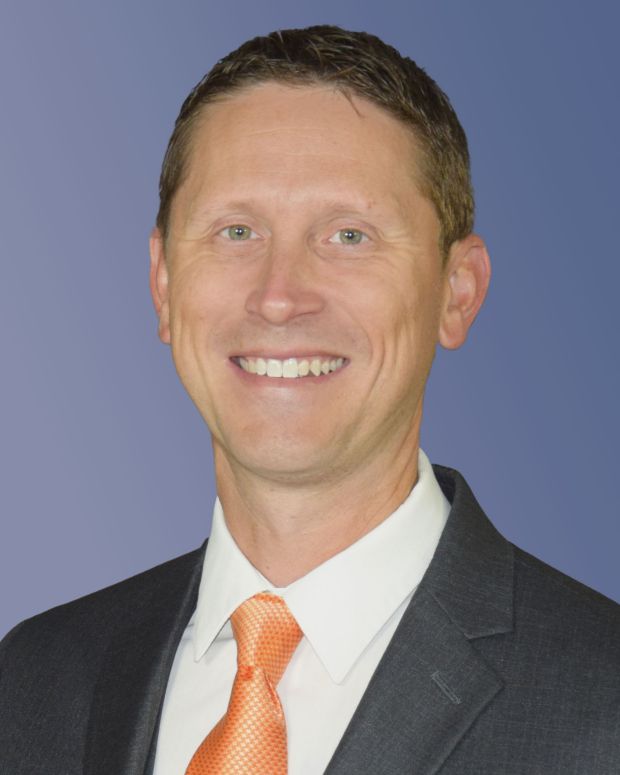 Dr. Timothy Matlack
“The research concerning the impact of cellphone use and social media access on student learning continues to mount, which is why we chose to act two years ago,” he said. “Anecdotally, we’ve seen improvements in engagement in our classrooms. We’ll be eager to see what kind of data and research is generated following this decision at the state level.”
The Wilson School District enacted a bell-to-bell cellphone ban at all grade levels at the start of the 2025-26 school year. And district officials say the results have been positive.
“We have certainly felt the benefits since we implemented a ban,” Superintendent Dr. Chris Trickett said. “We have seen students become more engaged in learning, less distracted by outside pressures and better able to enjoy simply being kids.
“In addition, we’ve seen a 21% decrease in disciplinary referrals from our high school classrooms and a 45% drop in disruptions in our hallways and corridors over the same period in 2024.”
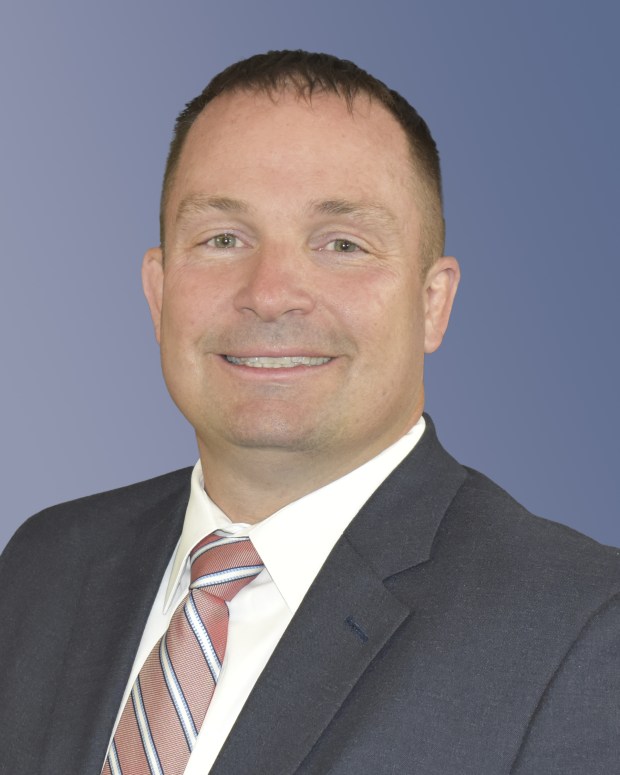 Dr. Chris Trickett
Trickett said the subject should be handled through district-level policies.
“While we strongly agree with the goals of this bill and similar legislative initiatives, we also believe a universal, one-size-fits-all approach does not usually serve the diverse needs of the school communities across the commonwealth,” he said. “For matters like this, our preference would be to maintain local control and allow our administrative teams, along with our locally elected school boards, to set guidelines and parameters with input from our community.”
Trickett said the new law will not change much for Wilson, with the current policy already meeting nearly all of the requirements it creates.