
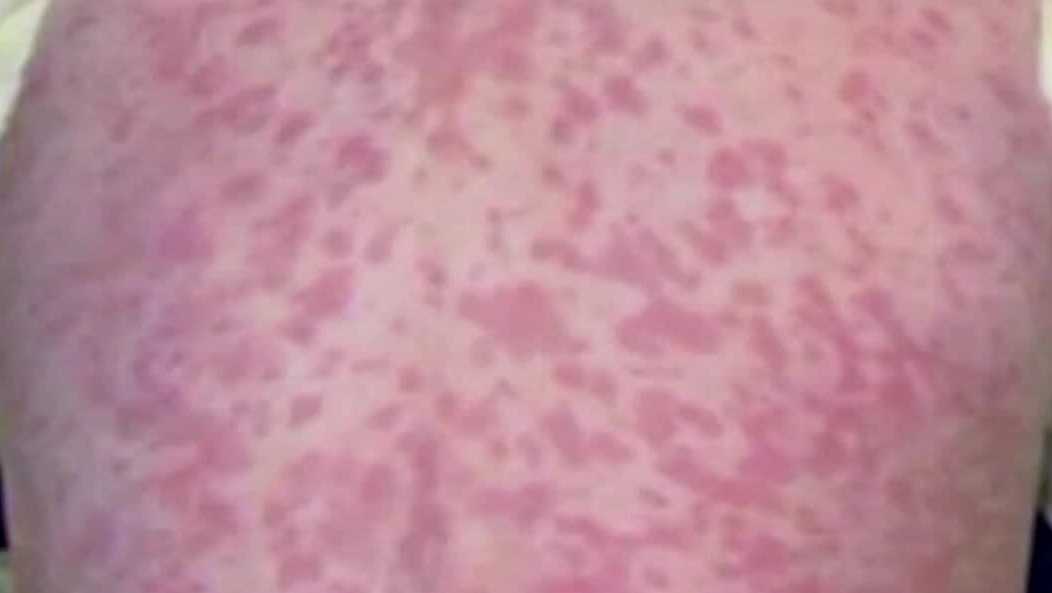

A measles outbreak in Pennsylvania has sickened more than 1,500 people and caused six measles-associated deaths, with medical experts saying the resurgence was preventable.
Experts blame the outbreak on declining vaccination rates and misinformation about the measles, mumps, and rubella (MMR) vaccine.
Early vaccination and vaccine safety
Audrey, a six-month-old baby, has already received her first dose of the MMR vaccine, which is often recommended during outbreaks ahead of the two additional doses required for full immunization.
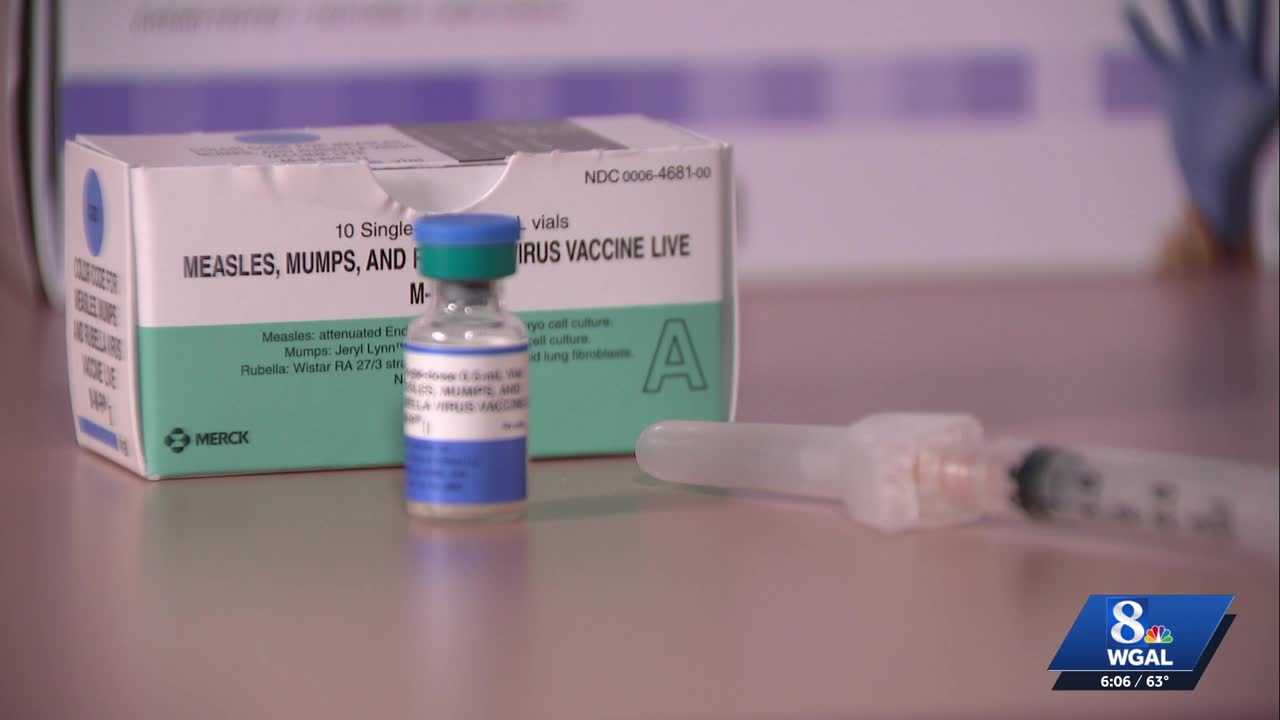
“We got it the day that she was eligible because we are in such a big outbreak right now. We really want to prioritize her not getting measles, if possible,” said Audrey’s mother, Kristin Berkowitz.
The MMR vaccine has been available for decades and is highly effective, with two doses providing nearly 100% immunity.
“Measles vaccine is very safe and very effective. The side effects are very minimal,” said Dr. Pia Fenimore, a pediatrician. “The unfortunate thing is that starting in about the 1990s, there’s been a lot of false narratives out there about the measles vaccine, and the potential for adverse events related to it.”
Vaccination rates decline
The Pennsylvania Department of Health launched a school immunization rates tool this school year, which shows that the MMR vaccination rate for kindergarten students has dropped to 93.2%, down from 96.4% in 2018-19. This rate is below the 95% threshold needed for herd immunity.

“It’s a nationwide trend,” said Dr. Evan Shirey, a pediatric infectious disease physician at Penn State Health, who attributes the increase in measles cases to declining vaccination rates.
“We had several decades without any measles transmission until our vaccination rates fell again,” Shirey said. “So this outbreak that we’re experiencing now is completely related to a failure to vaccinate. It’s not a failure of the vaccine.”
Pennsylvania allows three types of vaccination exemptions: medical, religious, and philosophical. The Department of Health reports that religious and philosophical exemptions have tripled in the past decade, though the reasons for this increase remain unclear. Officials acknowledge that misinformation and confusion about vaccines and measles may play a role.
Berkowitz, however, is relieved that her baby is protected.
Lancaster and Dauphin counties have some of the lowest vaccination rates in the area, with Lancaster County reporting an 87.6% rate and Dauphin County at 87.5% for the current school year.
This content is imported from infogram. You may be able to find the same content in another format, or you may be able to find more information, at their web site.