
Pennsylvania passed its state budget on Wednesday, ending a four and a half month impasse when Republicans and Democrats agreed to a $50.1 billion spending plan.
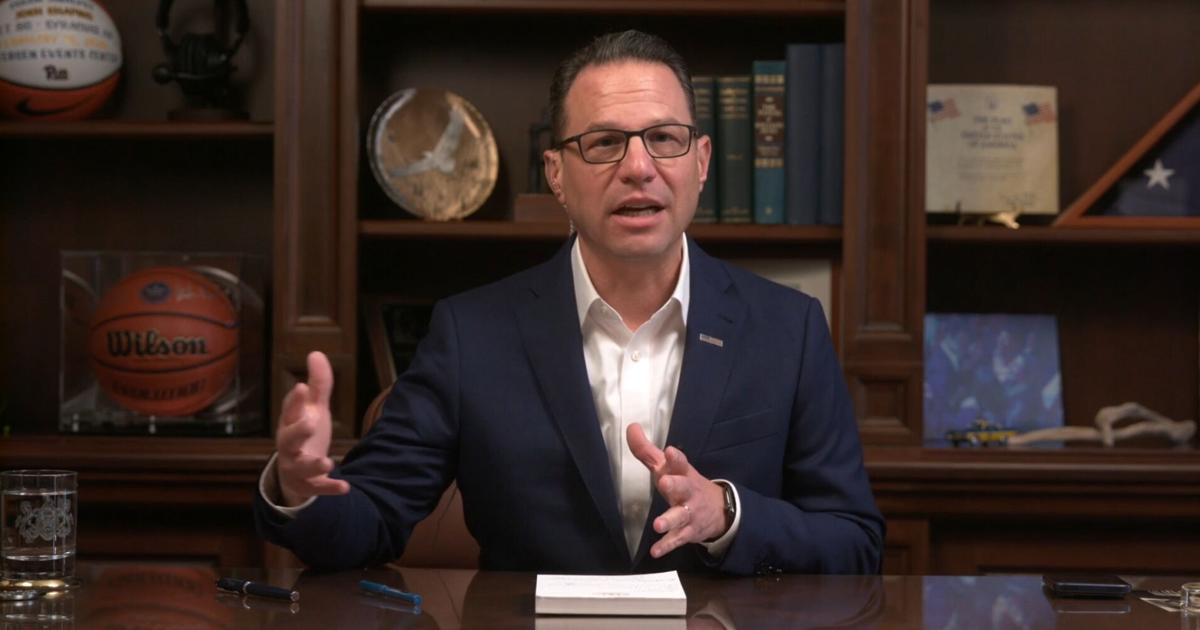
In a one on one interview, Democratic Gov. Josh Shapiro spoke on his policy victories in the budget. Education funding was increased by around $800 million in the new budget.
Shapiro noting that Erie School District alone has around $50 million more in their annual budget since he entered office in January, 2023.
“I think for too long, school districts that needed the most help were getting the least help… This is now the third year in a row where we’ve invested a record amount of funding in our schools,” Shapiro said. “And, you know, it’s not just about the numbers on a spreadsheet. It’s going to very specific things.”
The governor referenced investments in vocational technical schooling, mental health services and counselors, free and reduced price lunches, teacher recruitment, and structured literacy as some of the targeted spending in education.
Economic development work and continued permitting reform were priorities for both Democrats and Republicans. Shapiro commenting that the Erie City’s CRIZ continues.
“I think particularly with the two new leaders coming in, the new county executive, new mayor, that’s also going to be really helpful,” Shapiro said. “Working together with the private sector and the other leaders, Democrat and Republican alike in the community, I think that’s going to be really important in that that continues.
Shapiro also highlighted security improvements, economic development work with permitting reform, and affordability policy.
“Not only have we cut taxes for seniors and tripled our child care tax credit, but [we got] a new Pennsylvania Working Families tax credit,” Shapiro said. “940,000 Pennsylvanians who are working– this isn’t a freebie, but who are working– are going to be able to deduct up to $800 off their taxes or get a credit for that.”
With the bill finished, money can start going out to organizations like schools and counties who have been strained by frozen state funds.
Breakthrough in negotiations came in late October, when more majority and minority leaders joined talks– and everyone got in the same room to hash out details.
When asked why those larger leadership talks didn’t happen sooner, Shapiro maintained that negotiations were on going during the entire 135 day impasse.
“There were talks that occurred all summer. I spent my entire summer here in the Capitol, running back and forth between the Republican leader in the Senate, Joe Pittman, who is their chief negotiator, and Democratic leader in the House Matt Bradford, who was their chief negotiator. And we worked at it. So for anyone to suggest that we didn’t, they’re just wrong,” Shapiro said.
“Now, do I wish lawmakers didn’t leave Harrisburg on June 30th without completing their work? Of course. I wish they stuck around, but I stayed at it,” Shapiro said. “My administration stayed at it. Those two leaders stayed at it. And we worked through it. And we found common ground in the end.”
Shapiro saying mass transit and skill games are two policies that didn’t make the final cut that he wants to work on the future… but overall emphasizing he’s proud of the final product.
“My glass is more than half full here. I think we proved again that Pennsylvanians– that the Pennsylvania way is to bring people together to get stuff done. And I’m proud of all that we accomplished together,” Shapiro said. “Look, I’m proud of the fact that Republican lawmakers could go back to their districts enthusiastic about this budget, as could Democratic lawmakers. That shows that my hard work to bring people together paid off.
“And we found that common ground, which is so elusive in our politics today. But it’s the Pennsylvania way, and I think we’re finding that.”