
Pennsylvania legislation and funding vehicles pose questions as to the legality of the state’s proposed approach to immigration enforcement, with state representatives from Philadelphia — most notably Rep. Joe Hohenstein (D- Port Richmond), State Sens. Nikil Saval (D-Philadelphia), Amanda Cappelletti (D-Montgomery) — as well as District Attorney Larry Krasner (D-Philadelphia) driving both legislative and funding initiatives that critics say may directly aid undocumented immigrants in violation of long-standing federal immigration law.
These actions, framed as resistance to the Trump administration’s immigration enforcement agenda, are not only reshaping sanctuary policies and taxpayer-supported programs across the state, but are also raising new questions about legal compliance and the broader national political implications.
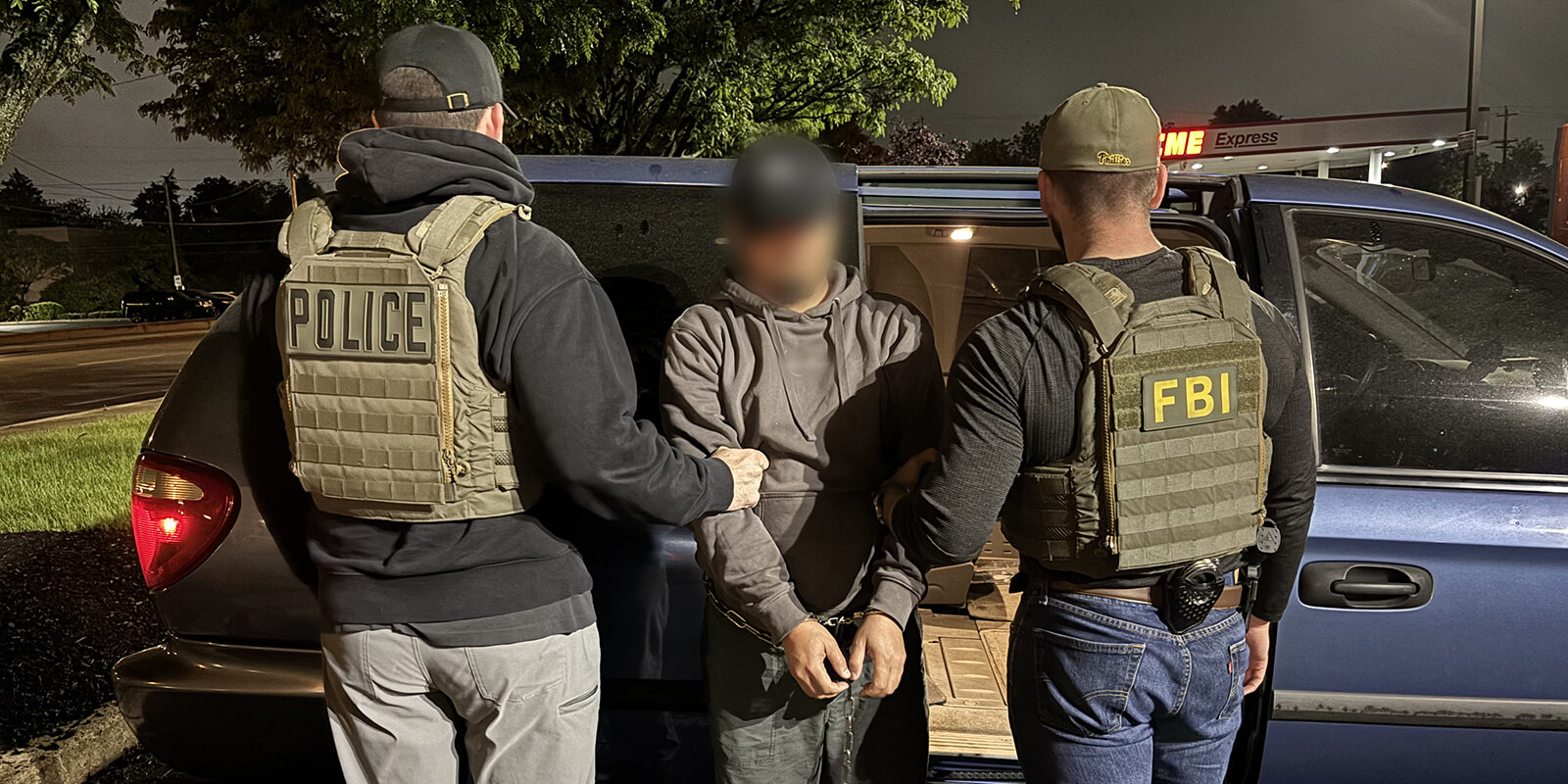
Saval and Cappelletti have taken leading roles in driving measures designed to reduce federal immigration enforcement’s reach in Pennsylvania. Alongside Hohenstein, they have advanced new bills that would prohibit ICE and other law enforcement officers from wearing facial coverings during immigration raids (except for valid medical reasons) within Philadelphia and its surrounding counties. They have argued that these steps are necessary to combat what they describe as secretive or intimidating practices by federal authorities and restore accountability for enforcement actions.
Hohenstein, a vocal opponent to immigration law enforcement, has introduced House Bill 1113 with Rep. Ismail Smith-Wade-El (D-Lancaster), to create a taxpayer-funded Office of New Pennsylvanians “to support, attract and retain immigrants in the commonwealth.” Hohenstein has distinguished himself as a legal expert and passionate advocate for immigrant rights, emphasizing the need for lawful safeguards and community trust. These lawmakers, supported by much of Philadelphia’s legislative caucus, have openly resisted federal mandates and rallied public resources to support local “sanctuary” efforts. Their legislative posture is strongly supported by activist coalitions, but increasingly questioned by federal officials and legal scholars who warn these actions may conflict with established immigration statutes and interfere with federal prerogatives.
The climate of resistance became even more pronounced after Krasner, on the Friday before his third election day, announced the disbursement of $500,000 in DA’s office microgrants to 36 nonprofit groups, bringing total awards to more than $7 million since 2021, conspicuously aligned with election years. Many grants support broad community needs—youth programs, STEM initiatives, parent training—but funding also flows to organizations with explicit missions centered on aiding migrant populations, such as the Center for Integration and Migrant Support (CIMS), Centro Integral De La Mujer Madre Tierra, and VietLead.
Hohenstein, Krasner, Saval, and Cappelletti have all advocated support for social services for immigrants regardless of status. Watchdogs have expressed concerns that public funds may be indirectly or overtly used to shield undocumented migrants from enforcement efforts, which raises risks that local initiatives could be at odds with federal law. Legal experts and government watchdogs point to Philadelphia’s sanctuary city policies, which have faced federal scrutiny, and note the complexities around restrictions on federal funding and local autonomy. Advocates warn that without clear oversight, public funding vehicles might support organizations that indirectly hinder federal immigration enforcement.
Is Pennsylvania becoming a haven for illegal immigrants?
With the state legislature funneling public resources into sanctuary-oriented bills and immigrant service grants, Pennsylvania is increasingly viewed as a haven for undocumented migrants. Philadelphia’s sanctuary status — which blocks most ICE detainer requests — and companion bills in Harrisburg reinforce public policies that critics say encourage unlawful residency and complicate federal immigration efforts.
Some pundits have begun to openly question the legality of these measures. They argue that legislation authored and promoted by officials like Hohenstein, Saval and Cappelletti, as well as public funding through Krasner’s microgrant program, may run afoul of federal statutes prohibiting state interference in immigration enforcement.
As one of the nation’s most closely watched battleground states, Pennsylvania’s evolution as a destination for migrants has not gone unnoticed by national policymakers, some of whom warn this influx could skew the state’s representation in Congress through census manipulation. Since the U.S. census counts all residents, including undocumented migrants, increases in the population from additional migrants could inflate the state’s representation in the House of Representatives—potentially shifting the balance of power in both statewide and national elections.
The legal and political divide surrounding these initiatives is intensifying. Progressive lawmakers like Hohenstein, Saval, and Cappelletti maintain their sanctuary policies comply with state and constitutional standards, insisting they do not violate federal law but merely refuse to cooperate beyond minimal requirements. However, federal authorities counter that using state and local taxpayer dollars to shield undocumented migrants or obstruct federal enforcement could constitute unlawful interference.
Critics also point to the lack of transparent evaluation measures for community grants, arguing that ambiguous criteria and election-timed disbursements risk politicizing public funds and shielding residents in direct defiance of federal law. With Pennsylvania on the “front lines” of immigration policy change, calls are mounting for a clarification of the intersection of state sanctuary efforts and longstanding federal statutes.
“‘Sanctuary’ policies can end up shielding dangerous criminals, who often victimize those same communities,” said Border Czar Tom Homan, who continued “Title 8 USC 13.24 iii, says anyone who ‘harbors or conceals illegal aliens from federal law enforcement officers’ are committing a crime, impeding a federal law enforcement officer is a crime, and those who knowingly harbor or conceal an illegal alien from ICE is also a crime.”
Pennsylvania’s evolving posture on immigration and its impact on local and national politics underscores the stakes of its legislative battles. As state officials deploy laws and resources in support of immigrant communities, critics warn this approach could seriously affect the integrity of both state government and national congressional representation. The potential for manipulating census counts via increased undocumented migrant populations—effectively altering the allocation of U.S. House seats—places Pennsylvania’s sanctuary experiments and funding strategies at the heart of the country’s immigration and electoral debates.
Whether these policies amount to overdue humanitarian support or constitute a legal offense against federal authority remains a matter of fierce public contention, made all the more consequential by Pennsylvania’s pivotal political standing. As the legal, ethical and electoral implications unfold, the actions of Rep. Joe Hohenstein, State Sens. Nikil Saval and Amanda Cappelletti, and DA Larry Krasner ensure that Pennsylvania’s role in the immigration debate will remain a focal point for years to come.
Based in Philadelphia, A. Benjamin Mannes is a consultant and subject matter expert in security and criminal justice reform based on his own experiences on both sides of the criminal justice system. He is a corporate compliance executive who has served as a federal and municipal law enforcement officer, and as the former Director, Office of Investigations with the American Board of Internal Medicine. @PublicSafetySME