
The Tea app, a dating safety tool where women can anonymously review men they dated, recently became a source of unverified personal information on college campuses, including Pitt.
As the app gained popularity around campus, some students questioned whether its stated mission of protecting women was overtaken by ethical concerns.
Tea Dating Advice was created by software engineer Sean Cook in November 2022 after witnessing his mother get catfished online. The app was founded on the principle that “women should never have to compromise their safety while dating.” The app’s primary feature allowed women to post photos of men and rate them with Yelp-style reviews. On each post, users could award “green flags” for positive experiences or “red flags” for poor or violent behavior.
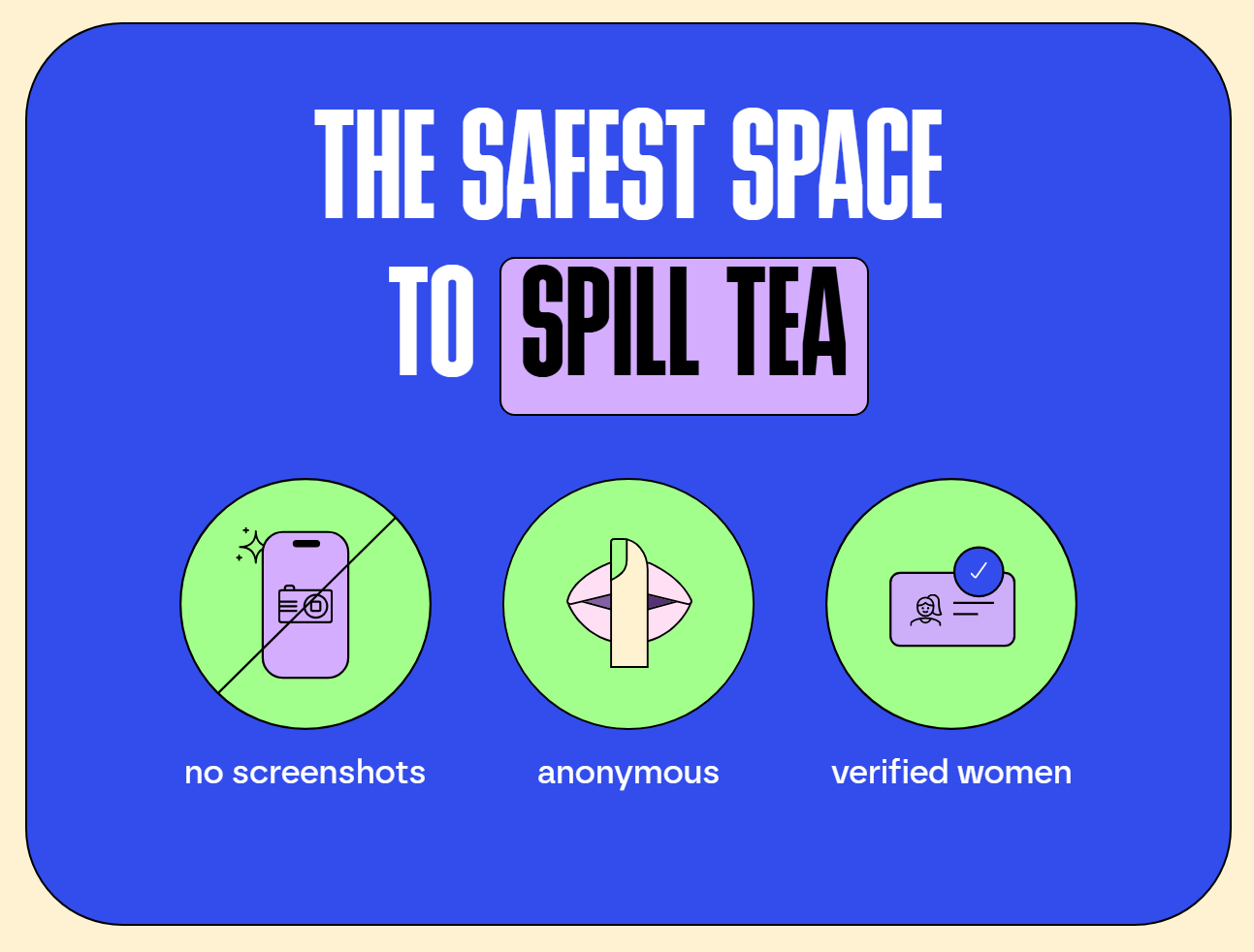
To access the platform, users submitted selfies that the app’s AI verification used to confirm they were women. Once approved, the app offered reverse image searches to authenticate a man’s identity, phone number lookups to check for hidden information and background checks that searched public records and sex offender registries.
Courtney Colligan, a gender, sexuality and women’s studies professor, identified “red flags of a different kind” within the Tea app. Colligan pointed to the app’s disconnect from traditional safety networks like a “whisper network,” or an informal chain of contextualized information passed privately between women.
“Already, we’re seeing a platform [in the Tea app] and the way that it’s packaged that’s trying to get more clicks and downloads rather than actual routes in safety,” Colligan said. “I think there’s this issue with a lot of safety and advocacy initiatives getting co-opted into capitalism.”
According to Ben Balla, a first-year student on a pre-pharmacy track, the Tea app circulated widely at Pitt for about two weeks this fall. Balla first heard about the app from his hockey team, where one player had “around 30 red flags” within days of the semester starting.
“Once it became a thing, I knew people who were consistently stalking their boyfriend’s profiles,” Balla said. “Everybody I knew was talking about it.”
Ella Aben, an undeclared first-year student, heard about the Tea app while at dinner with friends. While Aben agreed that there should be a platform that protects women from abuse, she noted that she had mostly seen users “criticizing appearances” on the app.
“I think my initial thought was, ‘Wow, imagine if men had an app for girls like this,’ and how bad our reaction would be to that,” Aben said. “It’s not being used the way it was intended to be used, and the way it is being used is dehumanizing and degrading.”
In late July, Tea rose to the top of the Apple App Store’s lifestyle category, securing over a million users in just a week. Days later, a hack exposed 131,000 images and users’ personal data — but the Tea app wasn’t removed from the App Store until late October due to not meeting user privacy standards.
The Tea app’s structure allowed reviewers to remain anonymous, while the men being reviewed theoretically couldn’t access the app to see their reviews. Balla said users have to consider the comments with skepticism since there is no moderation.
“You’re basically able to hide behind a screen with no repercussions,” Balla said. “You can twist the story any way you want, and because you’re anonymous, no one can call you out if you’re lying.”
The comments on a post about Balla contained false information, and he had no way to respond or correct them.
“I found out that somebody commented that I had a girlfriend,” Balla said. “I don’t.”
One of Collagin’s main concerns about anonymous platforms like Tea is that false claims can still leave a mark, even after they’ve been refuted.
“With this assumption of ‘everyone is guilty until proven innocent,’ the issue is that the damage has already been done,” Collagin said. “Even if people find out, ‘Oh, that didn’t actually happen,’ their perception has already changed.”
While students still need a community to discuss safety, Colligan emphasized that it’s important to find a more “direct, personal and secure communication system,” rather than relying on anonymous reviews.
Even still, the desire to fill an “information gap” often drives people to seek out and share unverified claims, Collagin said.
“You have this awareness of ‘I can find anything I want about anyone online.’ Then, if you can’t find something, you’re immediately suspicious,” Collagin said. “I think that, honestly, entitlement to people’s private lives is what we’re kind of seeing play out. Is that our information to know?”