
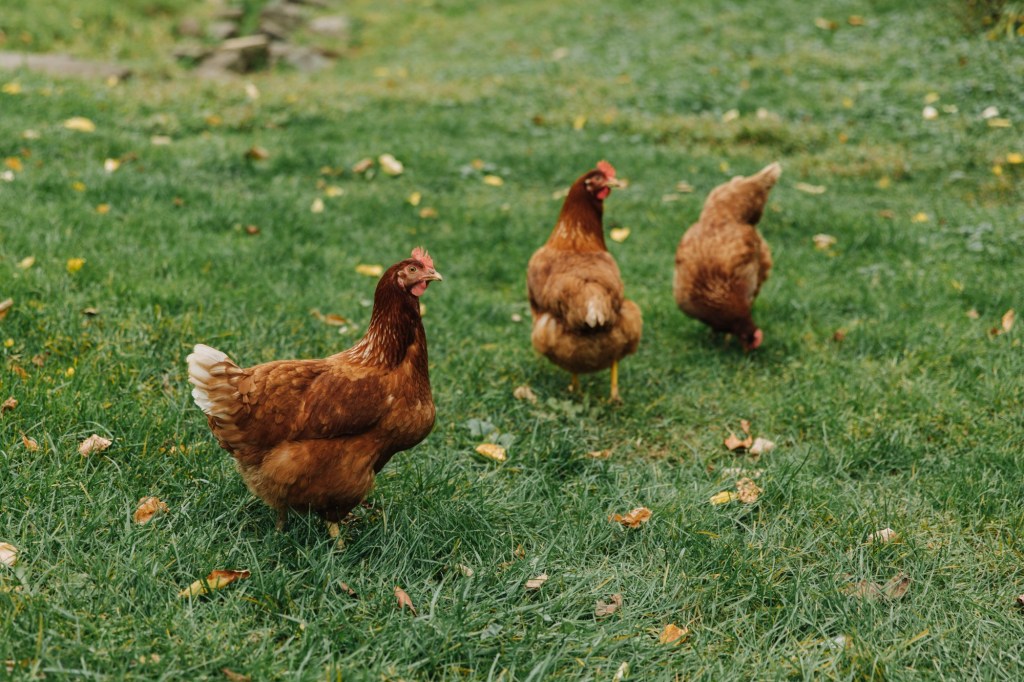
A Scranton couple filed a lawsuit to overturn the city Zoning Board’s rejection of their teen son’s flock of emotional support chickens.
City zoning allows a maximum of two hens per residential lot of 20,000 square feet or smaller.
But the couple, Chris and Laurel Verchuk, and their 15-year-old son, Eli, for over a year have kept 15 hens in a fenced-in, heated coop in the yard of their East Mountain home.
The dispute arose in September when the city notified the Verchuks they could have at most two backyard chickens at their Leslie Drive home, and if they wanted to keep more they would have to seek a variance from the Zoning Board.
The family then sought such a variance. At an Oct. 15 zoning board hearing, the Verchuks testified to the following:
• They reviewed the city ordinance on chickens but found it vague and were not aware of the limit of two chickens. City zoning does not allow roosters in residential areas and the Verchuks don’t have any roosters.
• The 15 chickens are emotional support pets for Eli, who has severe social anxiety issues. Feeding and caring for the chickens, each named by Eli after characters from “The Office” sitcom, and giving away eggs daily in the neighborhood helps Eli cope with anxiety and learn discipline and other skills. Eli gives away 8-12 eggs a day to neighbors, members of their church and the nearby Lutherwood senior apartment complex.
• “It has greatly done wonders for his social anxiety issues. It would be devastating to make him choose which chickens have to go,” Chris told the board, according to an Electric City Television video on YouTube.
• Laurel said the issue has increased Eli’s anxiety and caused him much grief. “Having chickens are calming. Having these chickens is good for him — they relieve his anxiety. They have been very therapeutic for him and his anxiety, much like an emotional support animal.”
• “My chickens are not hurting or bothering anyone, but rather used for me to better serve the community,” Eli told the board. “I care for these chickens more than anything and could never choose between them as they are my pets and I love them all equally.”
• The family spent $8,500 on an Amish-built coop that Eli keeps very clean. The fenced-in coop area protects the chickens from predators and the elements and is not visible from the street.
• The Verchuks presented a petition signed by 67 neighbors who have no problems with the family having 15 chickens, or 13 more than allowed. Several neighbors weren’t even aware of the flock until asked to sign the support petition. There also have not been any noise or odor complaints from neighbors.
• Chris testified that the chickens include several different breeds, including Rhode Island Reds and Leghorns, which do not have long life spans; and the family would not replace any chickens after they die naturally, such that the number of hens eventually would drop to two, in compliance with the ordinance.
No one else from the public testified before the Zoning Board on the variance request.
The board voted 3-0 to deny the variance, with Chairman Shawn Walsh, Bob Gattens and Paul Welby all voting no against a variance. They said if they allowed the Verchuks to have more chickens than allowed, they would have to do the same for anyone else and they needed to be consistent with the zoning ordinance.
“We’re not here to hurt anybody we want to see your son do very well,” Walsh said. “Unfortunately, we have some rules we have to follow and if we let you do it, we have to let the next guy do it, too.”
Gattens said his no vote was the most difficult one he’s cast in his seven years on the Zoning Board. Welby also said the decision was very difficult.
Lawsuit filed
The parents filed an appeal lawsuit Monday in Lackawanna County Court to try to reverse the board’s decision. The parents are represented by attorney Alexander Brunelle of the Brunelle Law Group of Scranton.
Some of the claims of the lawsuit include:
• The Verchuks believed their flock was “a harmless residential accessory or otherwise allowed as assistance animals.”
• It’s unclear what prompted the city’s enforcement action against the excessive number of chickens.
• The Zoning Board erred by strictly limiting its analysis to a variance and failing to consider the full range of relief available, including a special exception, reasonable accommodation or equitable modification; and the rejection was an abuse of discretion and a misapplication of law.
• The lawsuit seeks to have the rejection reversed on any of several grounds, including error of law, failing to allow a reasonable accommodation, denying a therapeutic assistance animal without analysis, or because the board’s written decision was procedurally deficient. If none of those reasons reverse the rejection, then the application should be remanded back to the board for consideration as a special exception.
“What began as therapy for a child has become a quiet act of community service,” the lawsuit says. “The law should not compel a child to give up the very source of his healing when that act harms no one and benefits so many. This appeal asks the court to restore what compassion and fairness demand, the right of this family to continue a harmless, humane and profoundly beneficial use of their own property.”
The Zoning Board has not yet responded in court to the lawsuit and efforts by The Times-Tribune to reach the board solicitor were unsuccessful.