
By Dec. 15, all individuals living in the homeless encampment located by the Hill-to-Hill bridge will be moved in accordance with notices posted earlier in the year. The notices were first posted on Sept. 10 and cited health and safety concerns as the reason for further action.
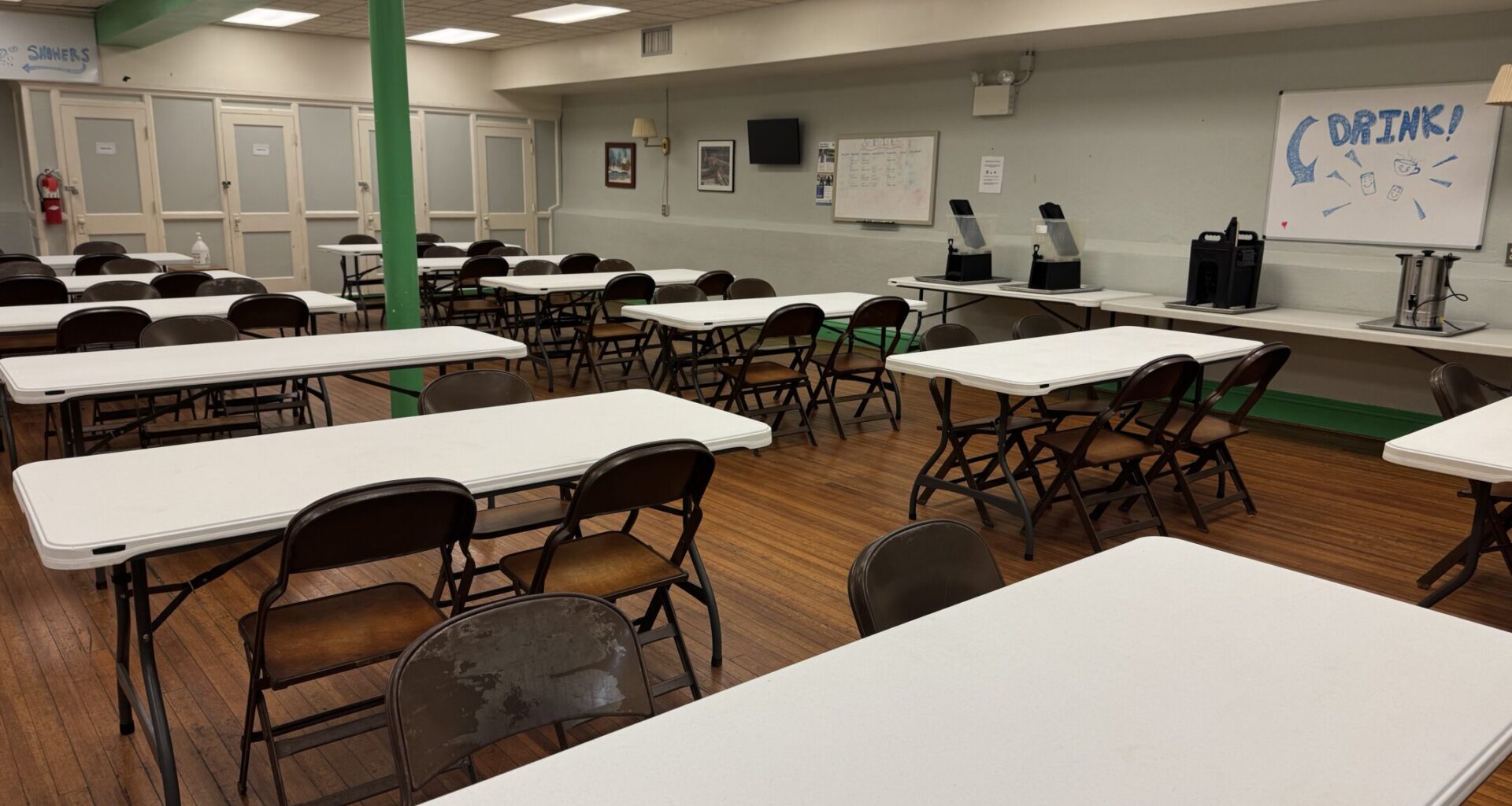
Bethlehem’s Emergency Sheltering has 70 beds to house homeless adults from Nov. 1 through April 30. Due to encampment closures, the shelter expects to help more people in need.
Robert Rapp Jr., the shelter’s executive director, said he expects the facility to be at capacity within the next month.
Maria Shior, the director of volunteers at the shelter, said the encampment’s removal did not affect its preparations.
“We just went forward with the knowledge that we were going to be full this year,” Shior said.
Rapp said the majority of occupants at the shelter have lived in the Lehigh Valley for years, if not their whole lives.
However, Shior said the shelter is seeing more newly unhoused people who are experiencing their first-time facing eviction.
She said this isn’t generational homelessness but rather a result of current issues.
“(Homelessness) is higher than it’s ever been, but we’re still not at capacity,” Shior said. “We also are seeing more newly homeless folks. Folks that have never been, this is the first time they ever faced eviction.”
Jeremy Lormand, the resource navigator at the shelter, said the most challenging aspect guests face is uncertainty, especially surrounding the changing landscape of what’s available or considered an appropriate place for them to go.
At the emergency shelter, he said the people operating the facility would be happy to take in the people being relocated from the Hill-to-Hill encampment or as many as they have room for.
“The number one thing I’d like from the community is to lead first with empathy and understanding rather than judgement,” Lormand said.
Rapp said the shelter offers hot meals every night of the week, showers, as well as supportive services for mental health concerns, physical health and sometimes spiritual health including religious counseling.
He also said entry to the shelter is much simpler than before, when people used to have to go to shelters in different churches. Now, he said residents can keep their same beds for as long as they need as long as they follow the shelter’s rules.
Rapp said most people are thankful for the rules and structure, which are there to ensure safety and security.
“It is quiet here at the shelter,” he said. “(Guests) feel like they can get a good night’s sleep because they’re safe.”
Rapp said part of the shelter’s intake process asks guests to pick from seven different categories of help to personalize their experience to best meet their needs. He said people are allowed to stay in the shelter for however long they need, whether it’s one night or for the entire operation season from November to the end of April.
For those who don’t wish to stay at the shelter, Rapp said the facility provides tents and sleeping bags.
Shior said the shelter also works with other local organizations like Northampton County’s RISE van and the Hope Center on Broad Street to help those in recovery from substance abuse. It has providers and partners with nonprofits including the Victory House, Street Medicine, Merakey and Chimes, as well as DeSales University and Lehigh.
“We are not successful without partnerships,” Shior said. “We need our partners to succeed. We do not want to be the only shelter. We need all of us to be working together.”
Bethlehem also supports the shelter with grant opportunities, but Rapp said it’s always a challenge after the grants’ payment periods conclude.
He said the majority of the grants offered aren’t recurring, so staff have to continuously reapply for them in hopes to receive the necessary funds to operate.
Rapp said funding comes from philanthropic groups, churches, private businesses and Northampton County. He also said volunteer, partner and community support have saved the shelter about $100,000 a year for meals.
He said the shelter is currently working with the city to have their services operate year-round.
The facility has already grown from sheltering four and a half months to six months out of the year.
“Our folks are starting over,” Rapp said. “We have to be a part of the conversation in trying to get the community to understand that we need to explore different models than what we are currently exploring for entry-level housing.”
Every season, the shelter conducts exit interviews to see how it can improve operations.
Rapp said they’ve heard positive feedback from guests about how the shelter is warm, comfortable and feeds them sufficiently.
Shior said volunteers are crucial to the shelter’s success. They participate in trauma-informed care, anti-bias training, first aid and more to meet the facility’s needs.
She also said the shelter is looking for volunteers who can help long-term because consistency has the greatest positive impact.
Lormand said he’s motivated to continue diligent work to support the people he’s met through his job.
“In whatever challenging circumstances, they still come each day with their goals, values and hopes for something more for themselves,” he said.
—
If you would like to help Bethlehem Emergency Shelter, visit their website to donate finances or see their wish list.