
Each weekday, Kimberly Talbot and her staff at Reading’s Human Relations Commission field calls for help with rental and utility expenses, fair housing and discrimination complaints.
There is a great need, said Talbot, executive director of commission, and it’s outpacing the resources.
“The need is much, much greater than what we can meet,” she said Monday at City Council’s regular meeting. “We are trying to do the best we can.”
Talbot, who has led the department for 19 years, said her office handles cases of discrimination in housing, employment and public accommodations. The commission also runs the Reading Area Water Authority’s hardship program and the city’s homeless prevention and fair housing programs.
She also serves as case manager for other programs, including the city’s Eviction Prevention Project, that can help qualified families with serious rental and utility bills.
In her report to council, Talbot said from January through September, the commission filed 15 fair housing complaints with the U.S. Department of Housing and Urban Development and completed 18 employment discrimination intakes for the Equal Employment Opportunity Commission.
Through October, she said, nearly $133,000 in hardship funds helped 168 homeowners. In addition, 43 households received rental and utility assistance totaling about $98,000.
Much of that assistance, Talbot noted, comes through federal and state programs with strict eligibility requirements.
“We have to follow the guidelines from the state and federal governments,” she said. “I try to help as many people as possible, but we can’t approve cases that don’t meet the requirements.”
Talbot noted that Reading’s remaining federal COVID-19-related rental and utility relief funds will expire in July. Once those funds are depleted, she said, the city will have far fewer resources available to help struggling households.
She also thanked council for approving a new outreach and education position. The grant-funded role will raise the office’s visibility in the community and online, she said, noting the commission recently received three state grants to support its work.
Because the majority of the office’s clients speak Spanish, Talbot said she hopes to add more bilingual staff and possibly a language line to improve accessibility.
Council members praised Talbot and her team for their persistence in managing heavy caseloads and navigating complex funding rules.
“You’ve always been such a steady influence,” President Donna Reed said. “I can’t imagine the emotional wear and tear that you’ve been dealing with for so many years, especially how exacerbated it is these days. You’re a treasure.”
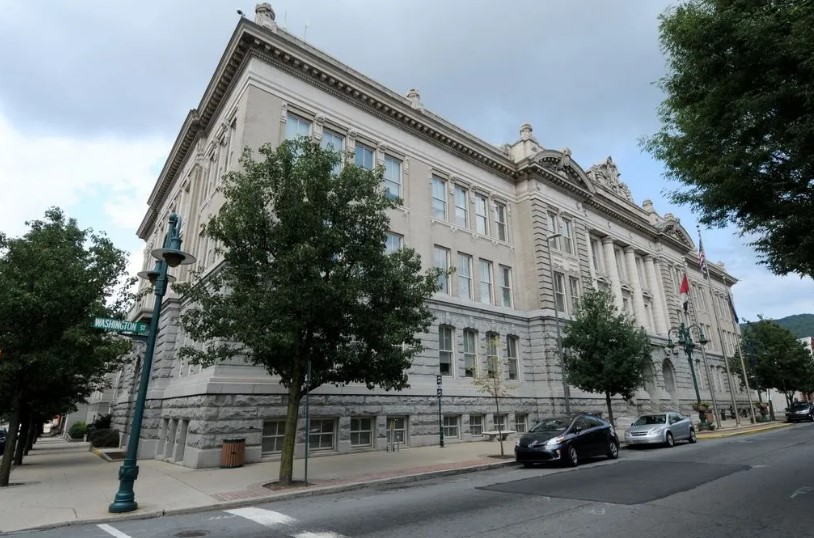
The Human Relations Commission’s office is on the first floor of City Hall and operates with three full-time employees and one part-time staff member.
The department also reports to a volunteer board of seven commissioners, appointed by the mayor, and a council liaison.
There are three vacancies on the commission, which meets the third Wednesday of each month at 6 p.m. in City Hall, with no meetings in July, August or December.
For more information or to apply for assistance, visit readingpa.gov/human-relations-commission.
City residents interested in serving on the commission can apply at readingpa.gov/boards-authorities-and-commissions-application-forms.