
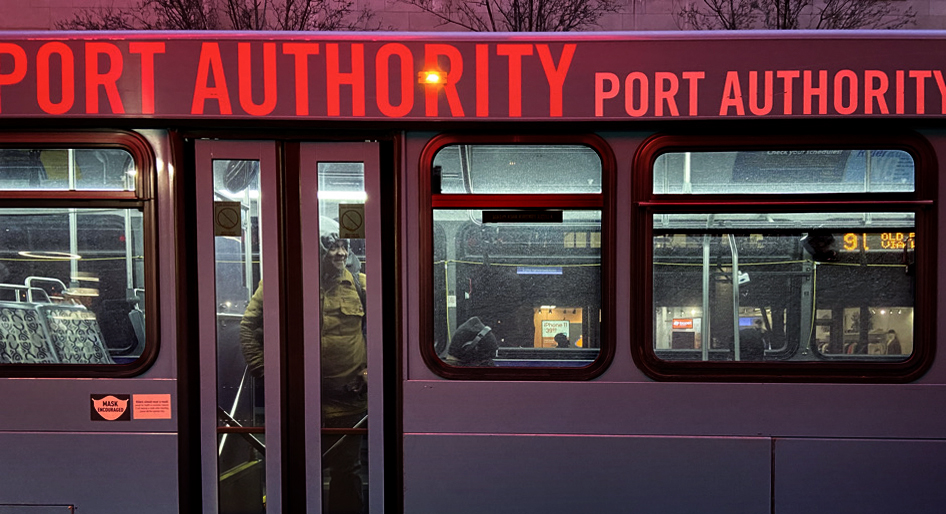
With the funding crisis at Pittsburgh Regional Transit put on hold for at least the next two years, the agency is ready to move ahead early next year with the next step of its bus line redesign.
But the advocacy group Pittsburgers for Public Transit prefers the agency make small fixes with its existing routes rather than reviewing and making changes across the system. The group isn’t convinced the agency can meet its goal of making dramatic changes across 95 routes without substantial increases in costs.
PRT began the redesign effort more than two years ago to shift bus service to address changing growth patterns over the past three decades and decentralize service in the aftermath of the pandemic. The goal is to increase midday and late-night service and allow riders to commute between local communities without having to travel to Downtown Pittsburgh and transfer to another bus.
After the first round of public meetings, PRT released a preliminary plan that would result in changes on 60% of the routes and reduce the number of routes from 95 to 77. It also would establish 19 new routes and create 20 regional hubs to allow easier travel between local communities.
The agency finished the comment period on those proposed changes early last year. Faced at the time with a projected $100 million deficit that would have led to severe service cuts without more state money, the agency paused the redesign effort while the budget battle played out.
Eventually, the state Legislature punted on additional state subsidies and allowed major agencies such as Pittsburgh Regional to use money earmarked for major construction projects to operate the system for the next two years without service cuts. The Legislature says it expects to deal with transportation funding during that time.
So now, PRT is ready to return to the bus line redesign. Early next year, it plans to go back to the public with adjustments to the initial recommendations based on comments from riders.
Derek Dauphin, the agency’s director of planning and service development, said in January he expects “major changes” from the initial proposals.
But with no long-term fix for the agency’s finances yet, Laura Wiens, executive director of Pittsburghers for Public Transit, urged the agency at its monthly board of directors meeting on Friday to hold off on the redesign and concentrate on improving current service. The agency’s annual service report released earlier this month that showed ridership is down 1.7 % and overall service is on time only 66% of the time causes Wiens to question whether the agency is capable of fixing those problems and redesigning the system.
“What would give anyone confidence this agency can do both of those things when it hasn’t been able to improve on-time service and grow ridership?” Wiens said in an interview. “To implement route redesign now is a really poor idea.”
Wiens said she is concerned the agency will complete the administrative work for the redesign, then not have funding to implement it. Major changes will drive down ridership initially, she said, and the agency can fix current problems without changing routes that are working well now.
CEO Katharine Kelleman disagreed with PPT’s concerns in an interview after the meeting. She said it is imperative — and something that Republicans in the state Legislature want to see before they commit more money to the agency — that PRT complete the redesign of bus routes.
“We can walk and chew gum at the same time,” she said. “We’ve heard for years that people want changes. How long do they have to wait?
“Folks deserve the changes they have been asking for.”


Ed covers transportation at the Pittsburgh Post-Gazette, but he’s currently on strike. Email him at eblazina@unionprogress.com.