
By Joseph R. Pitts
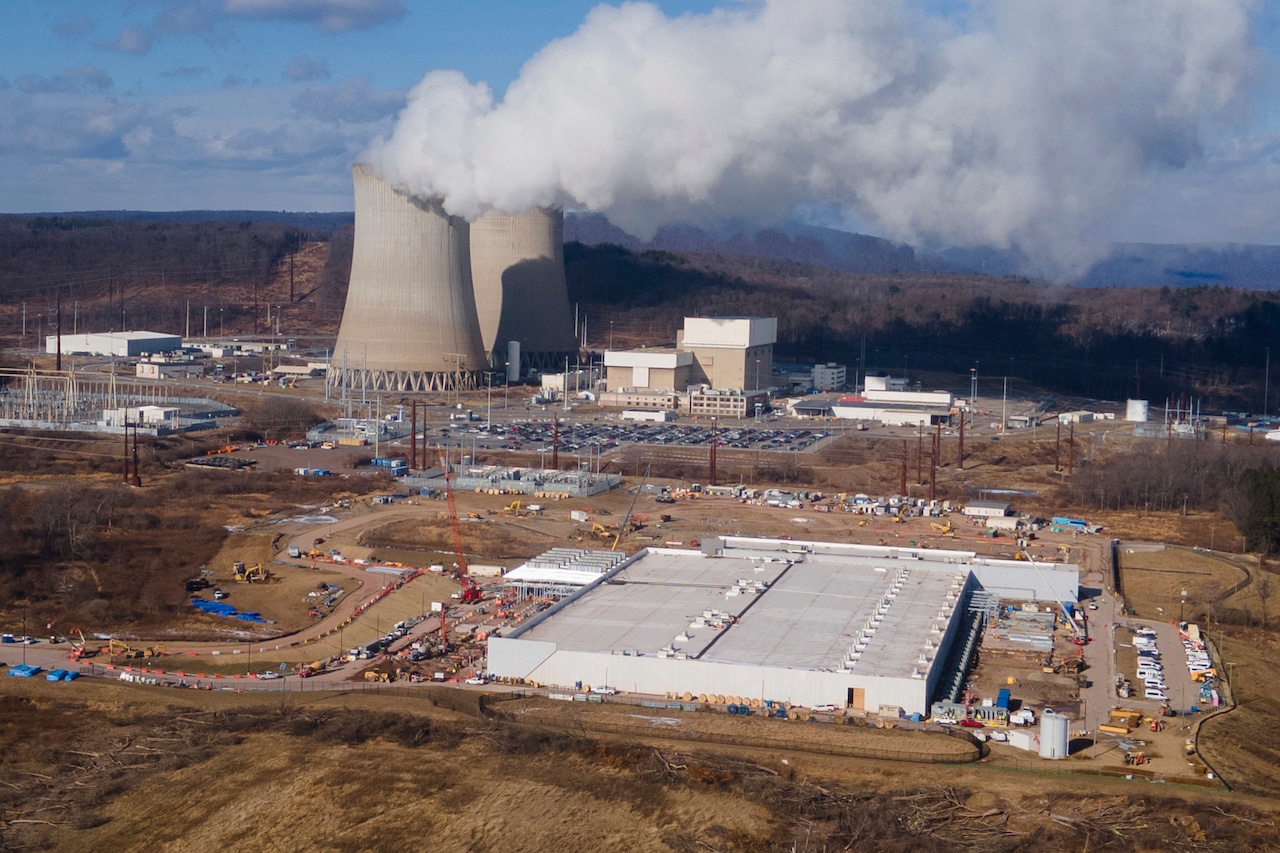
Pennsylvania is an energy powerhouse. Our state is the second-largest natural gas producer after Texas and remains a major coal exporter.
U.S. Sen. Dave McCormick’s recent groundbreaking AI and energy summit highlighted the critical importance of our state to the nation. The event not only showcased the power of innovation but also real economic opportunities for Pennsylvanians.
Unfortunately, outdated federal laws and regulations are still holding us back.
Natural gas is an indispensable source of energy for our economy. It has already reduced America’s dependence on foreign oil. In many ways that is a direct result of Pennsylvania’s workers.
However, despite these efforts, Pennsylvania and our nation need far more energy than we can currently provide. That’s why President Donald Trump has declared a national energy emergency as energy bills continue to rise. In addition to rising demand, a big part of the problem is Washington bureaucracies slowing down supply. Outdated federal rules and bureaucratic delays are slowing the expansion of our state’s energy sector.
A little-known federal agency called the Federal Energy Regulatory Commission (FERC), responsible for approving most new energy projects, bears some of the blame. Want to build a natural gas pipeline or hydropower facility? You first must get FERC’s approval. That’s where the bottleneck often happens.
Under President Reagan, FERC created the Blanket Certificate Program, which allows projects below a certain cost cap to be fast-tracked. These are basic projects that have little environmental impact but cumulatively can contribute enormous supply to the marker. But the cost cap hasn’t meaningfully increased since 2006. Rising construction costs mean more projects now exceed the cap, forcing them to crawl through the federal bureaucracy.
Washington is making energy projects more expensive and then delaying them because they’re expensive.
In Pennsylvania, that slowdown hits natural gas pipelines especially hard.
According to a recent report proposing these reforms, a significant percentage of natural gas projects filed since 2020 could have qualified for fast-tracking if the cap had kept pace with pipeline cost increases. That’s real production—and real jobs—being stalled by irrational rules.
Another hurdle is FERC’s narrow interpretation of eligibility. Even work designed to make existing infrastructure function at higher levels is treated as entirely new, slowing approvals further. Meanwhile, innovation like AI-driven energy management, highlighted at Sen. McCormick’s summit, is ready to improve efficiency, but bureaucracy is keeping it from reaching scale.
The story of Pennsylvania’s energy success has always been about keeping federal red tape at bay. Our shale boom thrived when Washington allowed private-sector innovation to lead. Today, modernizing regulations could do the same—not just for natural gas, but for coal, renewables, and other sources.
Thankfully, Pennsylvania is well-positioned to break through. Sen. McCormick, as chairman of the Senate Subcommittee on Energy, has a platform to push FERC to reform and unlock the full potential of our energy sector along with Laura Swett and David LaCerte, the recent confirmed Trump nominees at FERC.
With a supportive White House and change occurring at FERC, the tools are in place to bring Washington into the 2020s and remove barriers to energy progress.
Clean, cost-effective energy starts here in Pennsylvania. It’s time to harness innovation, update regulations, and let our economy thrive.
Joseph R. Pitts is a former member of Congress from Pennsylvania. He served on the House Energy & Commerce Committee, which has jurisdiction over energy issues
If you purchase a product or register for an account through a link on our site, we may receive compensation. By using this site, you consent to our User Agreement and agree that your clicks, interactions, and personal information may be collected, recorded, and/or stored by us and social media and other third-party partners in accordance with our Privacy Policy.