
By Metro Philadelphia
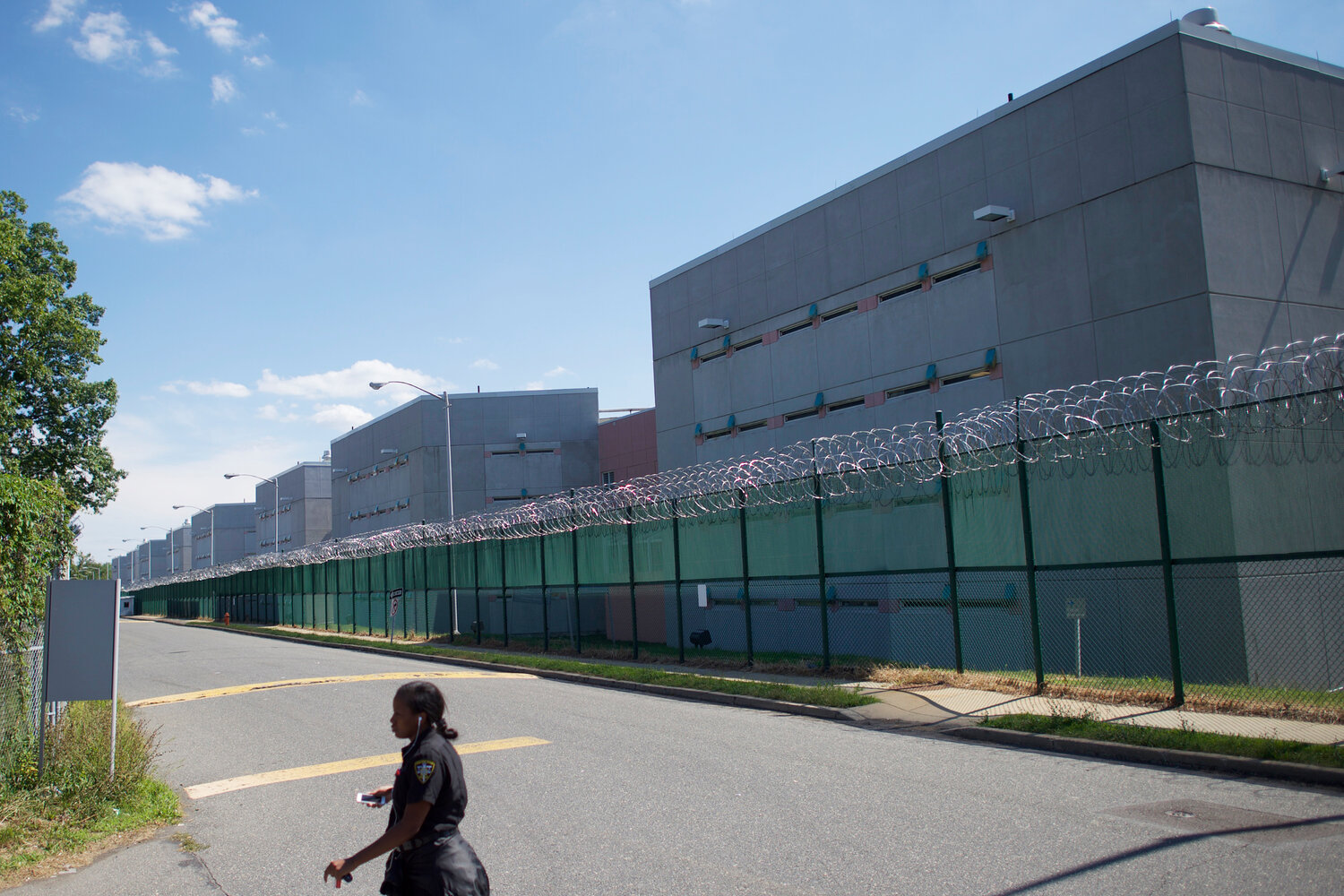
Philadelphia officials last week celebrated a milestone a decade in the making: the city has reduced its jail population by nearly 58% through its participation in the MacArthur Foundation’s Safety and Justice Challenge, one of the nation’s largest criminal justice reform initiatives.
At the Implementation Team’s final meeting, the Office of Public Safety’s Division of Criminal Justice announced that Philadelphia’s jail population dropped from 8,082 people in July 2015 to 3,436 in July 2025 — reaching its long-term goal and hitting a 30-year low.
Fair use of detention
Founded in 2015, the Safety and Justice Challenge brings together a network of cities, counties, and states to prove it is possible to rethink local justice systems from the ground up, organizers say, adding that safely reducing local jail populations is the key goal of the initiative.
When Philadelphia joined the SJC in 2015, more than 2,000 people were in jail solely on pretrial status, and 13% were detained on cash bail of $50,000 or less. A decade later, the pretrial population has been cut in half, with fewer than 5% held on cash bail of that amount — a shift officials say reflects a more targeted and fair use of detention.
Adam Geer, Philadelphia’s Chief Public Safety Director, said the jail reduction frees up resources to focus on more serious cases.
“Inefficiencies in our criminal justice system limit the city’s capacity to address violent crime and process more significant cases,” Geer said. “Achieving our goal of reducing the Philadelphia jail population by 58 percent means our system is 58 percent more able to address the cases with wider-reaching consequences. And we are seeing the results of this work with the recent positive trends in declining violent crime rates.”
Key strategies
During its ten-year tenure as an SJC site, the Division of Criminal Justice facilitated the following initiatives.
• Early Bail Review: A program offering a hearing five days after arraignment to reassess bail. Counsel are able to interview clients and present information in support of release, while also reiterating pretrial requirements and next court appearance.
• Bail Advocates: Staff from the Defender Association now interview clients before arraignment to gather information on housing, employment, health needs, child care, and other factors that could support release. The program currently operates in the Police Detention Unit with plans to expand.
• Community Advisory Committee: A group of residents, many directly impacted by the justice system, advising the city’s reform efforts and sharing information with the broader community.
According to officials, the city will continue prison reform work through several expansion networks focused on racial equity, housing and reentry, and women and survivors.
Officials added that the next chapter will build on a decade of collaboration and data-focused reform — and keep the emphasis on reducing unnecessary incarceration while improving public safety.
“The MacArthur Foundation’s Safety & Justice Challenge has been nothing short of transformative,” said Philadelphia Department of Prisons Commissioner Michael Resnick. “It sparked a level of collaboration among our criminal-justice partners that continues to guide and strengthen our work.”