
There’s an emerging invasive species that, for now, has gone away with the warm weather.
But they’re expected to pop up again next year. And they’ve been spotted in Pennsylvania before.
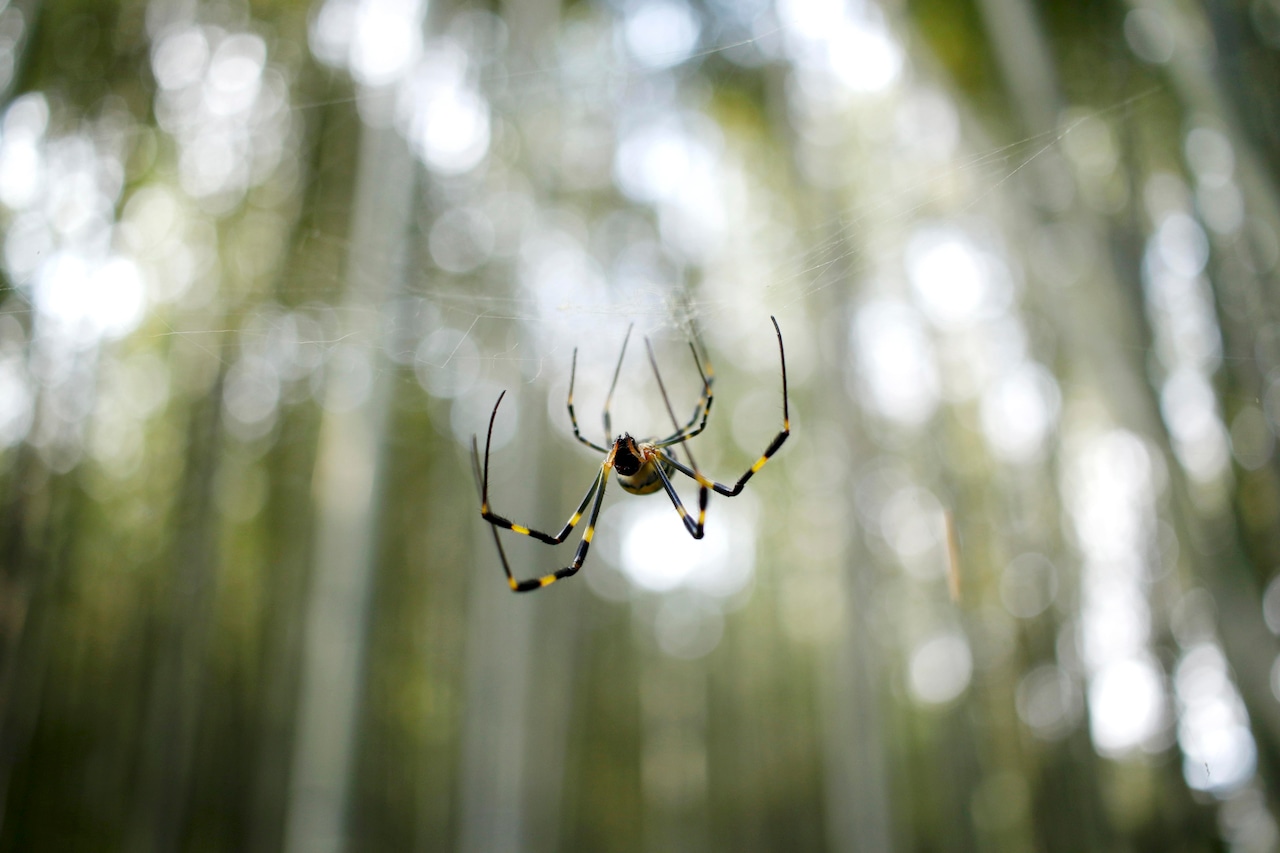
USA Today reports that the Joro spider — those rather large, black-and-yellow arachnids native to Asian countries like Japan that can move around by using their webs like parachutes — is usually spotted from August through October.
Joro spider eggs tend to hatch between May and June — with female spiders laying about one to five egg masses containing 500 eggs apiece — meaning that the eight-legged creature is expected to make a return come next summer.
An observation listed on iNaturalist pegs a Joro spider sighting in Pennsylvania, near Doylestown. There’s a chance, then, that the species will be spotted in the Keystone State again during its peak season in August 2026.
But don’t worry: North Carolina State University explains that while Joro spiders might creep some people out, they’re harmless to humans.
“Thankfully, despite their large size, these spiders post no threat to humans,” the university explains. “Their venom, a mild neurotoxin, is designed to paralyze small flying insects, and causes similar symptoms to those of a bee sting in most cases.”
And à la everyone’s favorite, the spotted lanternfly, Joro Watch states that the Joro spider has been able to spread so quickly throughout the United States thanks to humans unknowingly transporting either them or there eggs to new locations.
It’s recommended that — if you should see a Joro spider — report it.
“Knowing where the spiders are being found (or not found!) and other information helps scientists with their research,” Joro Watch says. “They can use the data to see where the spiders are spreading to, the habitats they are found in, and more.
“They can also use the data to find locations to do further research on the spiders.”