
Philadelphia School District principals have a contract — and raises.
The tentative, four-year deal was struck Monday night, nearly three months after an August contract deadline for the Commonwealth Association of School Administrators, Teamsters Local 502.
It also came days after CASA members publicly called out district officials, accusing them of negotiating in bad faith.
» READ MORE: Philly principals, working without a contract for months, demand action: school board roundup
Robin Cooper, president of the nearly 1,000 member union — which represents principals, assistant principals, climate managers and other administrators — said in a statement that the contract “will provide continued stability for our administrative leaders.
The pact, Cooper said, “affirms the dedication and innovative leadership of CASA administrators, recognizing them as pivotal change agents, who drive both student and teacher success. It also represents a meaningful step toward honoring and uplifting our exceptional leaders by addressing wage compression, providing across-the-board salary increases, and including collaborative language that acknowledges administrators as vital partners in the educational process.”
Details of the contract were not immediately available; neither was the date CASA members will meet to consider ratifying the contract.
“We are pleased to have reached a tentative four-year agreement that both honors the dedication of our CASA members and upholds our commitment to strong financial stewardship,” Superintendent Tony B. Watlington Sr. said in the statement. “This agreement provides the stability, clarity, and momentum we need to continue our strong partnership with CASA and to advance our five-year strategic plan, Accelerate Philly.”
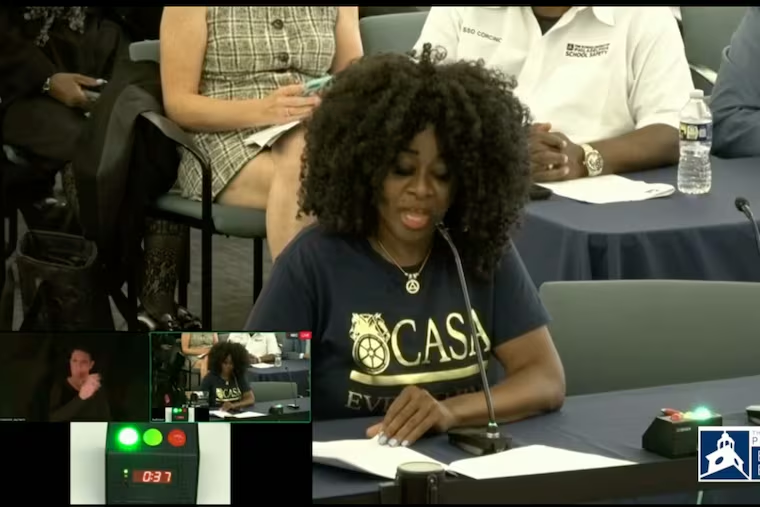
Last week, Cooper rallied her members publicly, appearing at a hearing on district matters before City Council and at a school board meeting to draw attention to CASA’s lack of a contract.
Cooper had said that the main sticking points in the negotiations were related to finances.
“First-year people are making what senior people make,” said Cooper.