
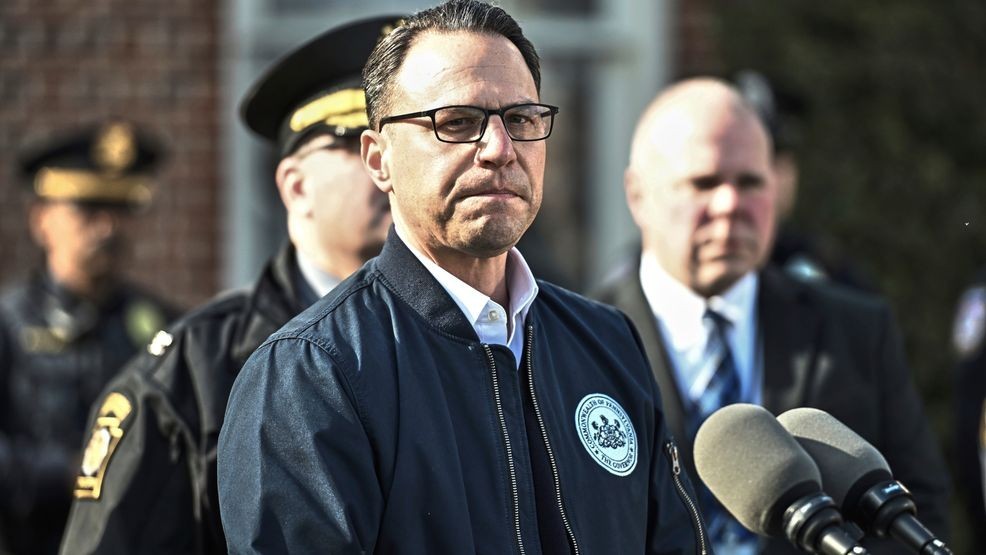
WASHINGTON (TNND) — Pennsylvania has officially joined the growing list of states that bar discrimination against natural and protective hairstyles, as Gov. Josh Shapiro, D-Pa., on Tuesday signed the CROWN Act into law.
The measure explicitly outlaws bias in workplaces, schools, and other institutions based on hair textures and styles commonly associated with the Black community.
Shapiro framed the new law as part of a broader commitment to ensuring all residents can live freely and authentically.
“Real freedom means being respected for who you are — no matter what you look like, where you come from, who you love, or who you pray to,” Shapiro said in a statement. “For too long, many Pennsylvanians have faced discrimination simply for hairstyles that reflect their identity and culture — that ends today.”
His office reported that in 2022, the state received more than 900 complaints connected to racial discrimination involving hair texture or protective styles.
Advocates say those numbers represent a much deeper and more persistent problem. Adjoa B. Asamoah, a national organizer for the CROWN Act, emphasized the tangible harms these policies inflict in a press release announcing the CROWN Act becoming law.
“Too many black children have been suspended and missed what should be valuable instruction time because their hair, worn in ways that are aligned with their racial identity, have been deemed a violation of school rules. Too many black adults have been passed over for promotions, had offers of employment rescinded, and even been fired for showing up authentically,” Adjoa B. Asamoah said in a press release from Shapiro’s office.
Asamoah also pointed to the health consequences some individuals face when pressured to chemically alter their hair to appear more “professional,” noting links between relaxer use and increased risks of uterine fibroids and certain cancers. “The cost of conformity is simply too expensive,” she said.
The new statute protects a wide range of natural and protective styles—locs, braids, twists, coils, Afros, Bantu knots, and extensions. The measure also prevents employers and schools from forcing students or workers to change or cut their hair to keep their positions or enrollment, a practice that has led to several high-profile incidents across the country.
Pennsylvania’s law arrives amid a national push to codify similar protections federally. The U.S. House approved a version of the CROWN Act in 2019, but the bill stalled in the Senate in 2022. Earlier this year, a bipartisan group including Sen. Cory Booker (D-NJ) and Sen. Susan Collins (R-ME) revived the effort, seeking to embed explicit protections against race-based hair discrimination into federal civil rights law. Rep. Bonnie Watson Coleman, a co-sponsor of the House version, stated in a press release that natural hair traits are no more voluntary than skin color, and denying people opportunities because of them is “racial discrimination, plain and simple.”
There are currently 27 states with versions of the CROWN Act in place.