
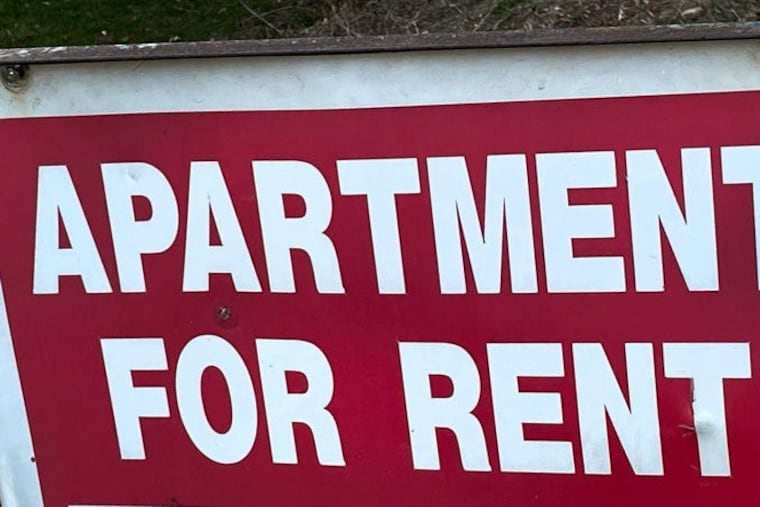
Philadelphia renters have some more to be thankful for this holiday season.
City Council bills that cap rental application fees and allow renters to pay security deposits in installments take effect Tuesday.
“The goal was to address the unaffordability of moving in for so many tenants in Philadelphia,” said City Councilmember Rue Landau, who introduced the legislation. “Rents have gone up tremendously, and people’s incomes have not.”
Almost half of the city’s residents rent their homes. And the Philadelphia region is one of the least affordable major metros in the country for its apartment renters based on their incomes, according to a January report by the online real estate brokerage Redfin.
FreshStartPHL, a move-in assistance program the city launched earlier this year to cover the equivalent of three months’ rent and moving expenses for eligible renters, had to stop accepting applications because it didn’t have enough funds to meet demand.
The city is considering adding money to the program’s budget under Mayor Cherelle L. Parker’s H.O.M.E. initiative to build or preserve 30,000 housing units.
Parker signed the bills capping renter application fees and allowing for security deposit installments in September.
Capped application fees
Starting Tuesday, the city is prohibiting landlords from charging a rental application fee of more than $50 or the cost of running a background and/or credit check, whichever is less, within a 12-month period. Landlords are prohibited from charging application fees unless they are used to cover the cost of these checks.
Landlords can’t perform a “hard pull” credit check that affects a prospective tenant’s credit score and have to provide tenants with a copy of any credit and/or background check performed.
And landlords who have more than one unit available can charge a prospective tenant only one application fee if the tenant applies for multiple units. Landau said some renters had been paying $100 or more per application. That adds up when renters have to apply for multiple homes.
“Historic discrimination of Black and brown, immigrant, LGBTQ, and disabled Philadelphians causes higher barriers for them to overcome in order to secure housing, with increased costs as they pay application fees throughout the city,” Landau said. “As a city, we still need to tackle housing discrimination in a serious way. But in the meantime, this bill will reduce those costs.”
Payment plans for security deposits
Also starting Tuesday, some landlords will have to allow renters to pay a portion of their security deposit in installments if the deposit is more than one month’s rent. According to state law, landlords can charge up to two months’ rent for a security deposit, with the charge of the last month’s rent included in the tally.
Renters can choose to pay the cost beyond one month’s rent in equal installments over three months.
This ordinance does not apply to landlords with one or two units, a concession Landau made after pushback from other Council members and small landlords.
Landau said that when renters have to come up with a security deposit of multiple months’ rent, “it creates a barrier that many people can’t overcome,” which leaves people stuck in shelters, unsafe homes, or squeezed into overcrowded homes with family or friends.
“We’ve seen a national conversation about affordability happening because people are rightly concerned” about the costs of necessities, Landau said. “If they have to move for any reason, the affordability crisis is just exacerbated.”