Bethlehem / PNN /
Bethlehem Governor Mohammad Taha Abu A’liya said on Thursday that the governorate, and Bethlehem in particular, is facing an escalating Israeli campaign of settlement expansion and settler violence, reinforced by repeated army incursions and military protection for settlers.
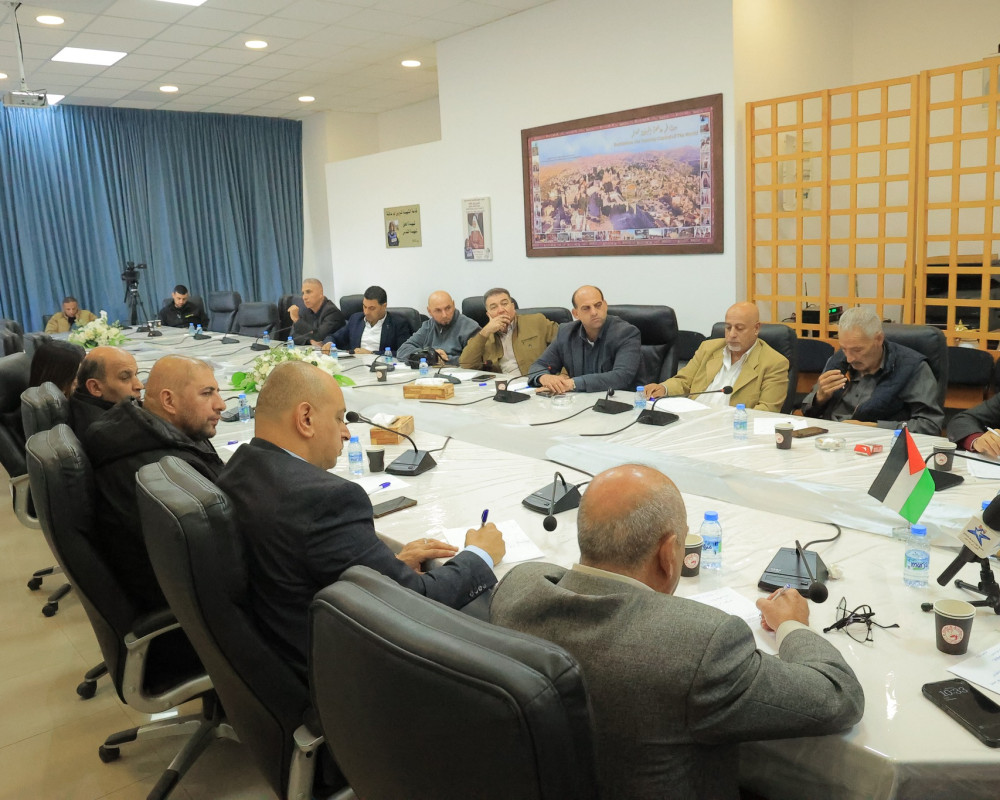
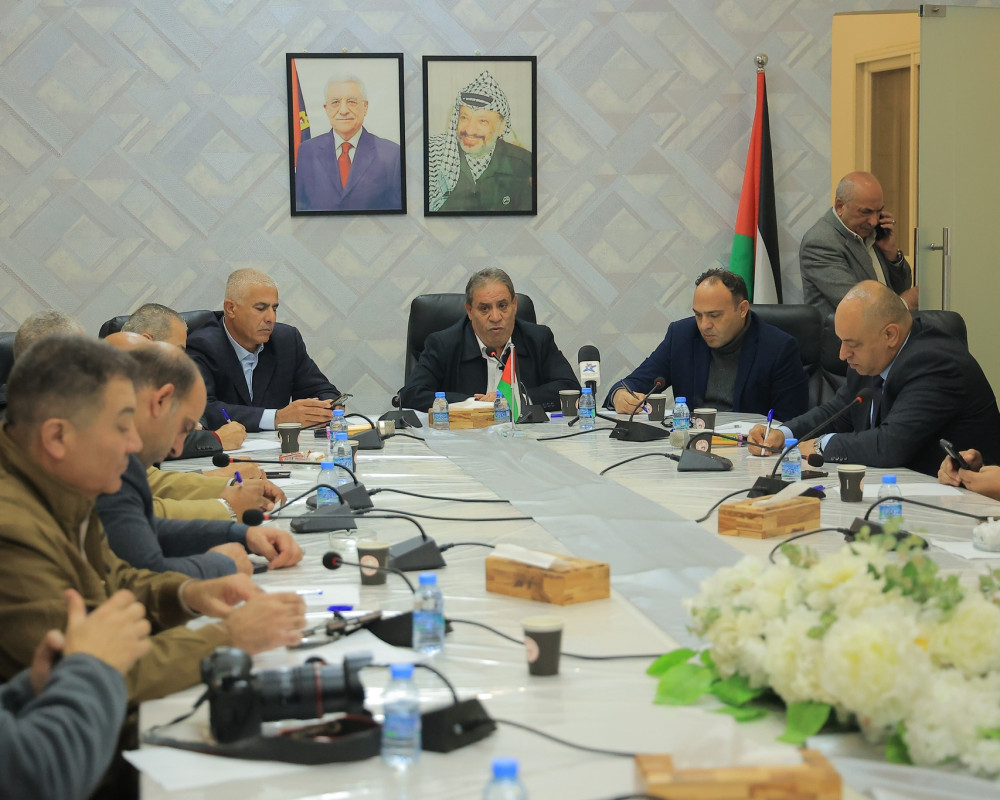
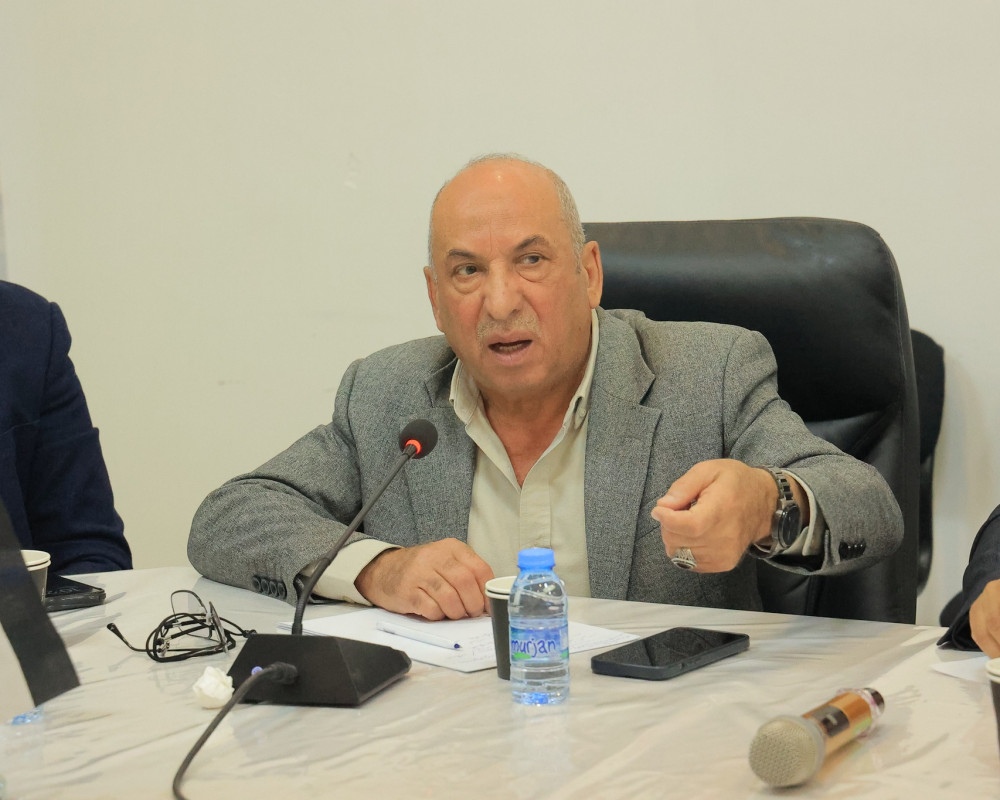
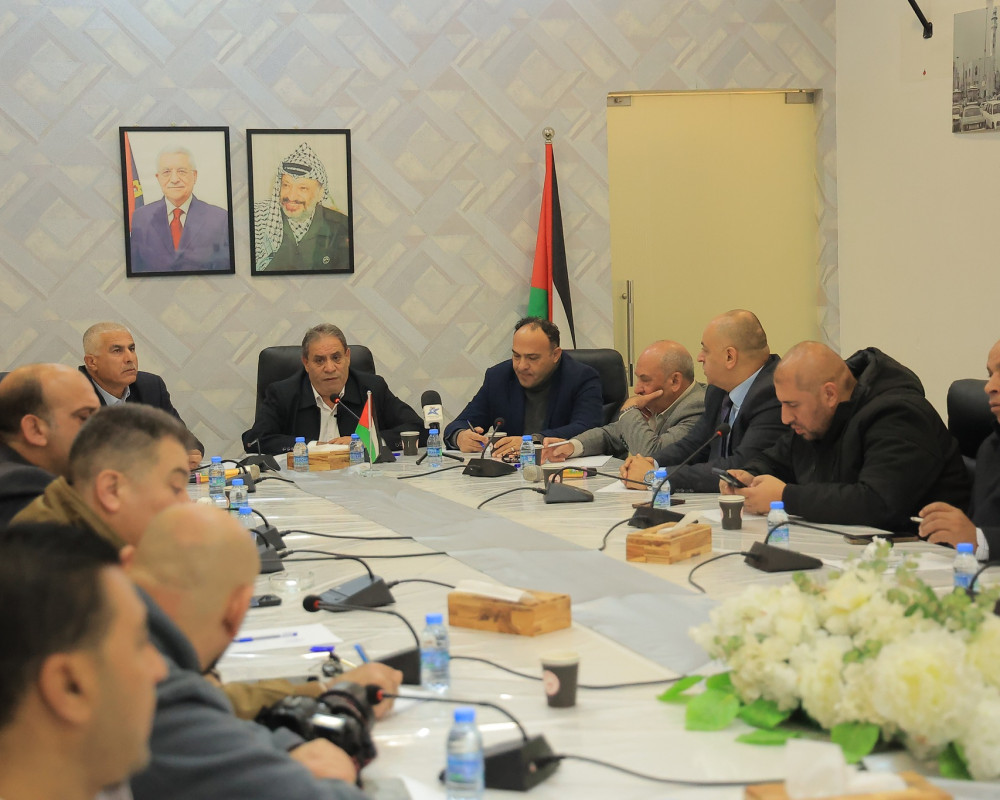
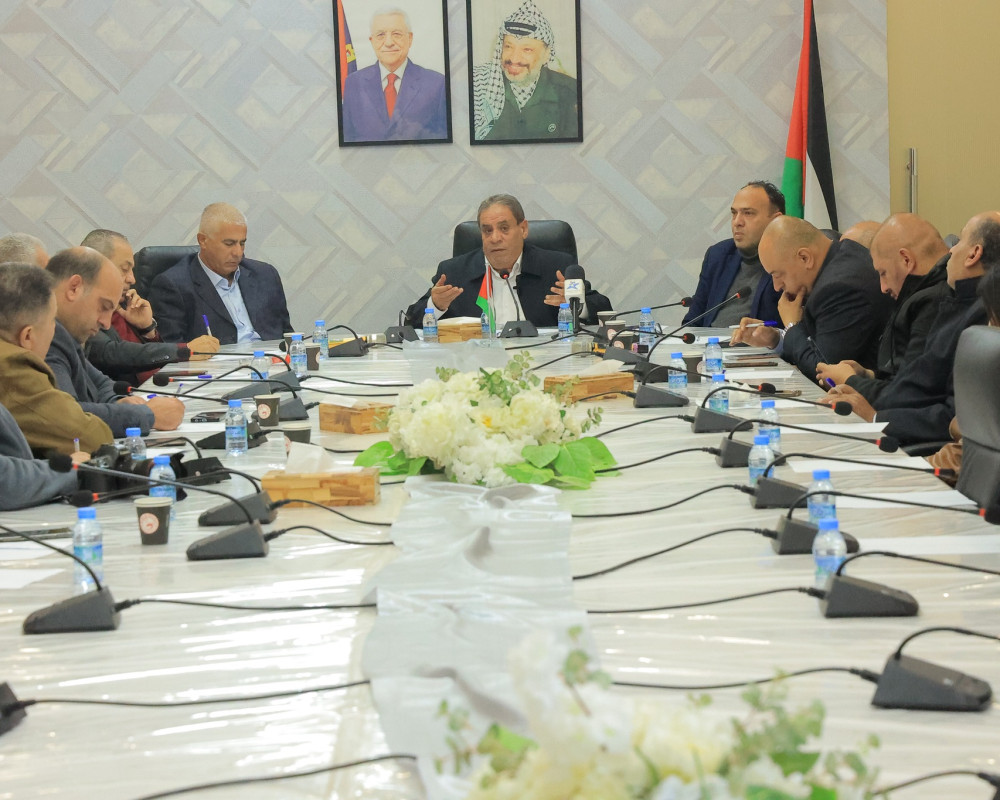
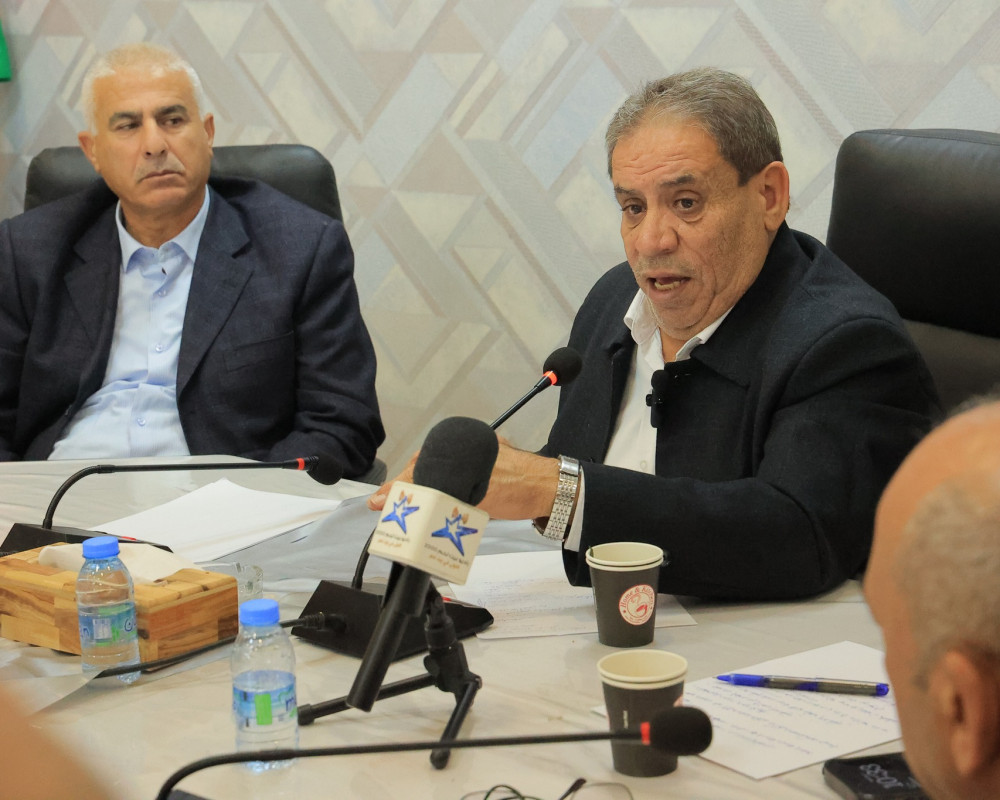
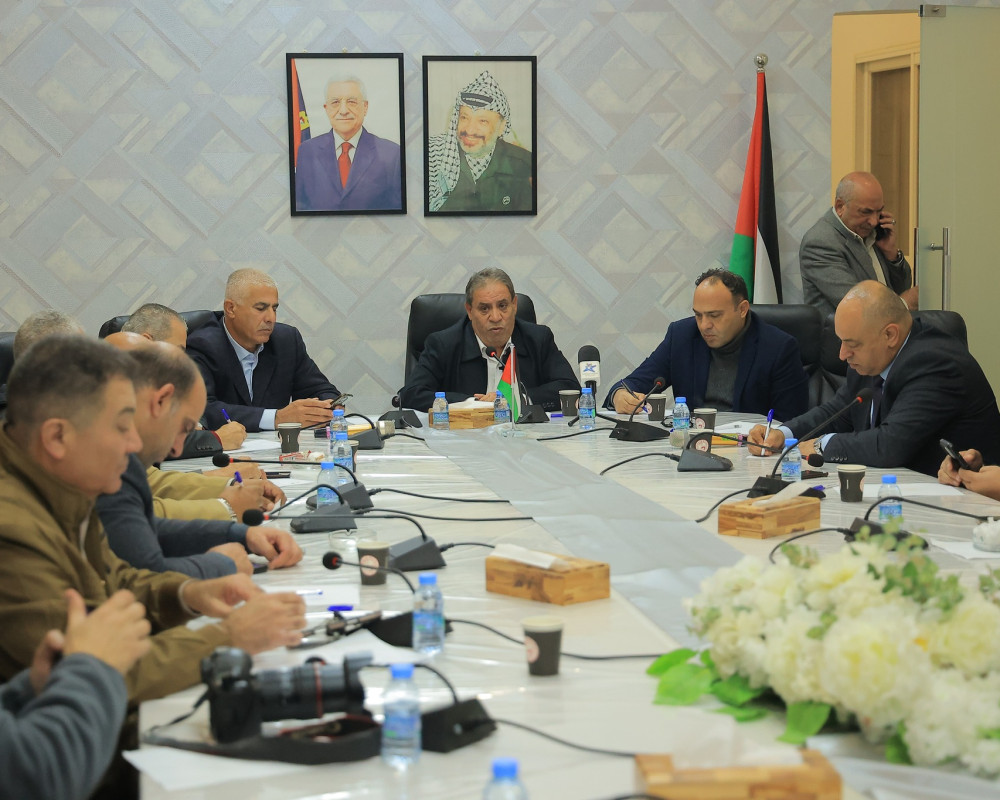
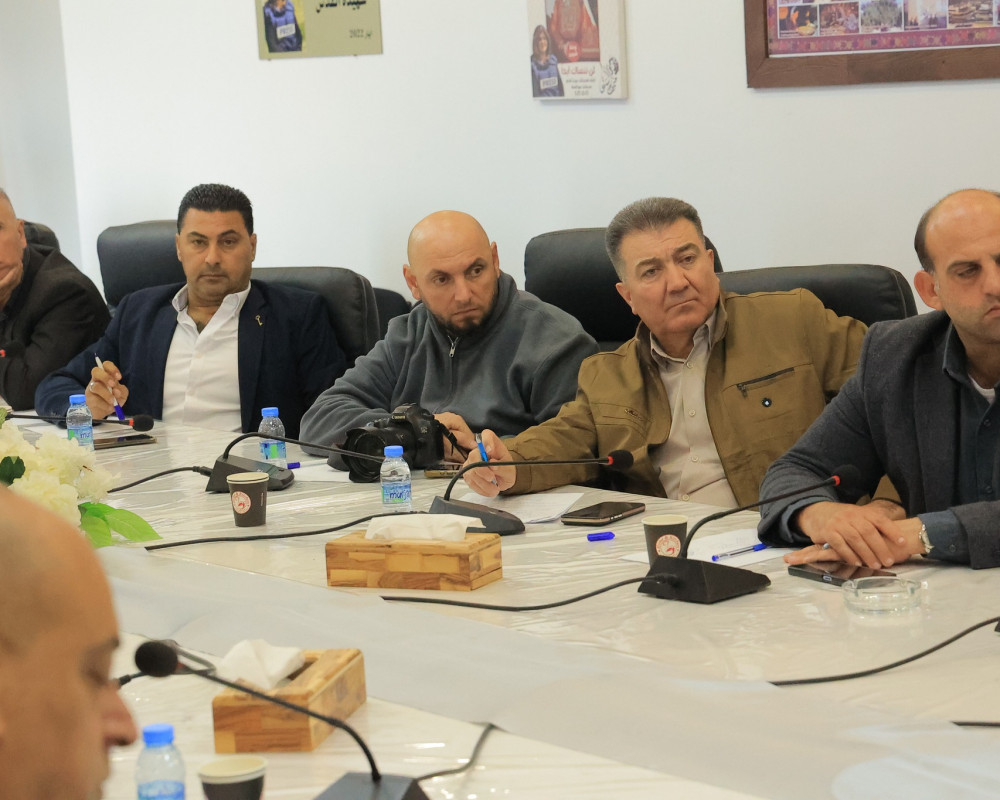
Speaking during a meeting with journalists — attended by Deputy Governor Dawoud Al-Hamri and several department heads — Abu A’liya warned that Bethlehem is issuing “a cry for help” to His Holiness the Pope, church leaders and governments worldwide, urging immediate action to halt Israeli measures targeting the city. He stressed that the Christmas season is an important moment to raise this alarm, noting that continued Israeli policies threaten to erase Palestinian presence if no serious international action is taken.
Abu A’liya said U.S. support for Israel and the silence — or mere statements of concern — from other countries have effectively granted Israel greater space to commit further violations. He urged U.S. churches that have publicly expressed opposition to Israeli occupation policies to take action to help protect Bethlehem.
The governor stressed that Bethlehem is among the most heavily targeted areas due to its proximity and connection to Jerusalem, which is facing an extensive and aggressive campaign of Judaization. He highlighted ongoing construction of hotels on lands between Bethlehem and Jerusalem as part of an Israeli plan to undermine Palestinian life in both cities by imposing a new reality through settlements and a network of roads and railways designed to entrench Israeli control.
Abu A’liya also referred to the latest wave of settlement expansion in Bethlehem, including the announced establishment of a new settlement in Beit Sahour’s Ush Ghrab area, supported by far-right Israeli ministers backing settlers who established an outpost there. He noted continued land confiscation orders across the governorate — from the western rural areas and Al-Makhrour to the southern and eastern regions of Bethlehem — calling for urgent intervention by Pope Francis and the international community to halt settlement policies.
The governor condemned settler attacks in Bethlehem’s villages — most recently in Khillet al-Louz, Al-Jab’a, Al-Rashayda, Kisan, Al-Maniya, Nahalin, Husan, Al-Walaja and Battir — stating that these attacks are part of a systematic Israeli policy for which the Israeli government bears full responsibility. He urged journalists and media organisations to intensify coverage of settler and army violations, particularly during the Christmas season.
Abu A’liya added that Israeli policies aim to forcibly displace Palestinians, especially in remote areas. Several communities east of Teqoa, in Al-Rashayda and Kisan, have already been displaced due to repeated settler attacks carried out under army protection.
He said President Mahmoud Abbas continues to give special attention to Bethlehem, referring to the President’s recent meeting with the Pope in the Vatican, during which he briefed him on developments in Bethlehem, Jerusalem and across Palestine. He stressed that the President closely follows the situation in Bethlehem and emphasises the city’s central role in conveying Palestine’s message to the world, especially during the Christmas season. “Our foundation is clear,” he said. “We remain on our land — we do not leave.”
Abu A’liya praised the efforts of all parties, including the Higher Presidential Committee for Church Affairs, headed by Executive Committee member Dr Ramzi Khouri, as well as municipal leaders, church representatives, clergy, and the Ministry of Tourism, all working to present Bethlehem in its best form during the holiday season.
He noted that Palestinian institutions have held multiple meetings and drafted plans to confront Israeli measures and expose them internationally. In the coming days, the governorate will organise a tour for ambassadors, consuls and foreign diplomats to brief them on Israeli violations and the risks facing Bethlehem.
The governor said the Christmas season officially began with the ceremonial entry of the Custos of the Holy Land into Bethlehem, marking the start of celebrations. He noted that a comprehensive Palestinian plan is in place to ensure the success of all events, with coordination among municipalities, churches, security agencies and civil society organisations. He stressed the critical role journalists and media outlets can play during this period.
Abu A’liya thanked Palestinian journalists and media institutions in Bethlehem for their work despite difficult conditions and the risks they face, expressing confidence in their ability to convey the Palestinian narrative to global audiences. “Our only option is steadfastness on our land,” he said.
He highlighted the ability of Palestinian media today to challenge and counter Israeli narratives that depict Palestinians as aggressors and portray Israel as a democratic victim. He said the genocide in Gaza has exposed these claims as false, while Palestinian media coverage from Gaza, Jerusalem and across Palestine has helped mobilise global public opinion against Israeli crimes. “This proves that media is a central pillar in confronting the occupation’s narrative,” he added.
Journalist Mousa Sha’er, speaking on behalf of the Palestinian Journalists’ Syndicate, discussed efforts to organise and facilitate Christmas coverage. He noted that the syndicate held meetings with the governorate and municipality and agreed to issue special press badges to support journalists in conducting their work. These badges will be distributed at the Summit Centre (Markaz Al-Summit) in cooperation with the municipality, as is done annually.
Sha’er stressed that journalists are Bethlehem’s voice to the world, urging them to prepare reports and stories that reflect the Palestinian reality in all its dimensions. He said coverage should highlight unity, resilience and the distinctive cultural and social identity of Bethlehem, which has long been a model of Palestinian creativity.
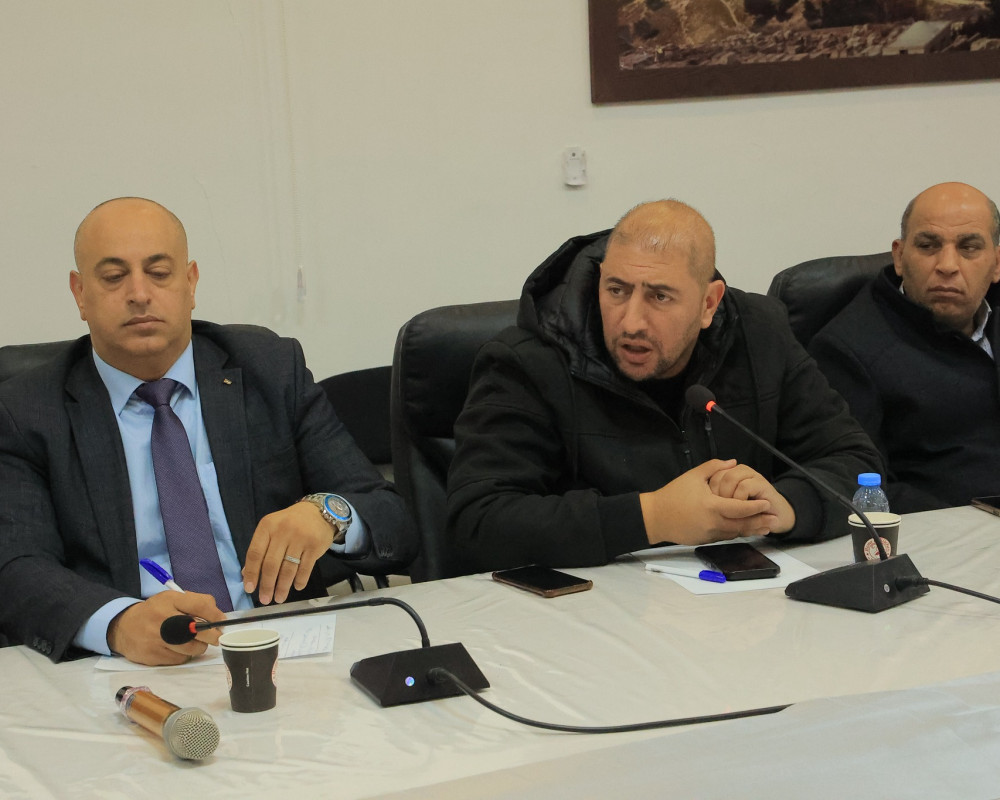
The meeting concluded with an open discussion on Israeli measures affecting the Christmas season, Palestinian efforts to ensure internal security, and Bethlehem’s stability. Speakers affirmed that Bethlehem remains safe and calm internally, while the main challenge lies in Israeli restrictions. The meeting also examined the city’s holiday security plan, internal preparations, the situation in surrounding villages, the importance of forming local protection committees, and the need for a unified, factual media message to provide accurate information to the international press and strengthen the Palestinian narrative.