
The United States has, historically, been one of the largest providers of foreign aid for HIV prevention and treatment around the world. However, the Trump administration earlier this year slashed funding for international programs and domestic research grants, and has proposed other cuts to national programs.
The White House did not observe World Aids Day on Dec. 1, which has been the tradition every year since 1988.
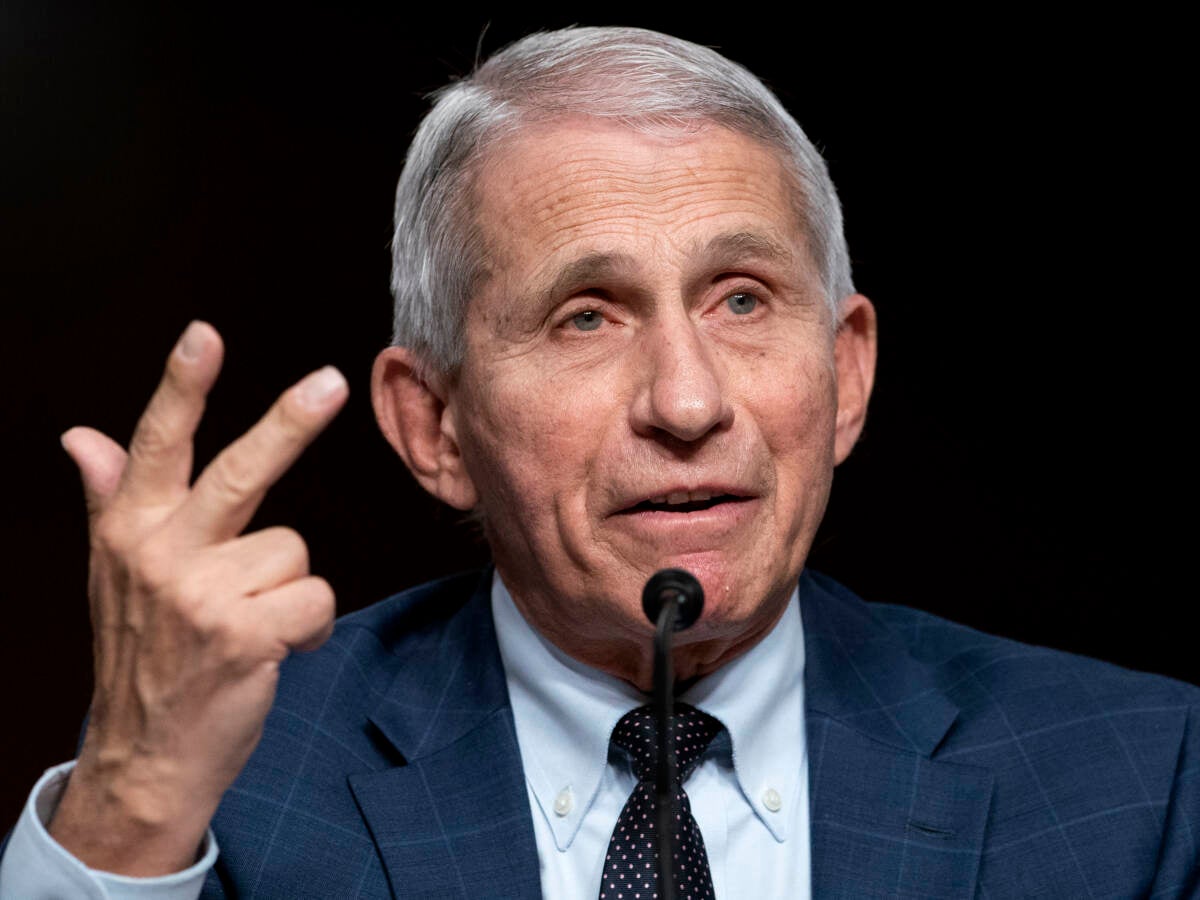
Fauci, who led the country’s response to the COVID-19 pandemic under the Trump and Biden administrations, called the latest funding cuts to national and international HIV programs “disturbing and sobering.”
Instead, he said that even more funding and resources should be going toward expanding access to effective medications like PrEP and early testing, especially in underserved communities.
Rates of HIV infections are disproportionately high in Black and Hispanic communities, men who have sex with men and people who use drugs, federal data shows.
“We can make sure that the resources at the local level, on the ground where they’re needed, are given to people in minority communities to give them the access to the health care that would, A, get them tested,” Fauci said, “if they’re at risk, get them on PrEP, and if they’re living with HIV, to get them on treatment not only to save their lives, but so they won’t infect anyone else.”
Local prevention and treatment efforts in Philadelphia
Advancements in HIV prevention tools, awareness strategies and treatment options have come a long way, said Dr. Stacey Trooskin, chief medical officer at the Mazzoni Center.
“We have the tools that we need to really spare this next generation this epidemic,” she said. “What we haven’t figured out how to do, where the barriers still exist, is in the care delivery models.”
However, funding is a key factor in efforts to expand access to services and improve health care delivery in underserved communities in Philadelphia and elsewhere, Trooskin said.
She called for the preservation of initiatives like the Ryan White HIV/AIDS Program, which supports people with low incomes who are living with HIV, federally qualified health centers that treat underserved populations, and Medicaid, a safety net health insurance program.
“We must resist,” Trooskin said about proposed reductions to public health programs. “And we must believe in science and follow the data, do what it tells us to do.”