
Pennsylvania schools, including many in the Susquehanna Valley, are receiving more than half a billion dollars in new education funding aimed at addressing historical inequities and supporting student needs.Schools with lower tax bases had been receiving less funding, prompting a court ruling and a retooling of how the state allocates school funds.Gov. Josh Shapiro visited a school district facing increased demand for pre-K and other student supports, highlighting the impact of the funding.”Three thousand more students are enrolled in career and technical education, things like the cadet program, 3,000 more students now have the benefit of that because we increased funding. 778 schools have hired more mental health counselors. That’s a big deal,” Shapiro said.The Susquehanna Township School District received close to $1.88 million, while the Harrisburg School District got $7.4 million in adequacy funding and more than $600,000 to offset its lower tax base.Cumberland Valley School District received nearly $3.3 million.Some lawmakers, including Rep. Tom Kutz, of Middlesex Township, believe there is a need to discuss the future of education spending, especially as school districts often raise local taxes to balance budgets.”The last thing that they can afford is for their mortgage payment to keep going up every year because of taxes. I think from a state standpoint, every dollar that we spend as a state needs to be thought of effectively and efficiently to help our local counterpoints by and large to avoid those tax increases,” Kutz said.Kutz expressed enthusiasm about the adequacy of funding for the Cumberland Valley School District, which helps address the region’s massive growth. However, he suggested that eventual changes in school funding might be necessary to prevent imbalances.Gov. Shapiro, in recent interviews, addressed the topic of banning children and teens from social media, suggesting that instead of bans, children should be educated on evaluating what they see and read.He pointed to a literacy platform created by his education department, a topic gaining attention following a ban in Australia and discussions among 2028 presidential hopefuls.
Pennsylvania schools, including many in the Susquehanna Valley, are receiving more than half a billion dollars in new education funding aimed at addressing historical inequities and supporting student needs.
Schools with lower tax bases had been receiving less funding, prompting a court ruling and a retooling of how the state allocates school funds.
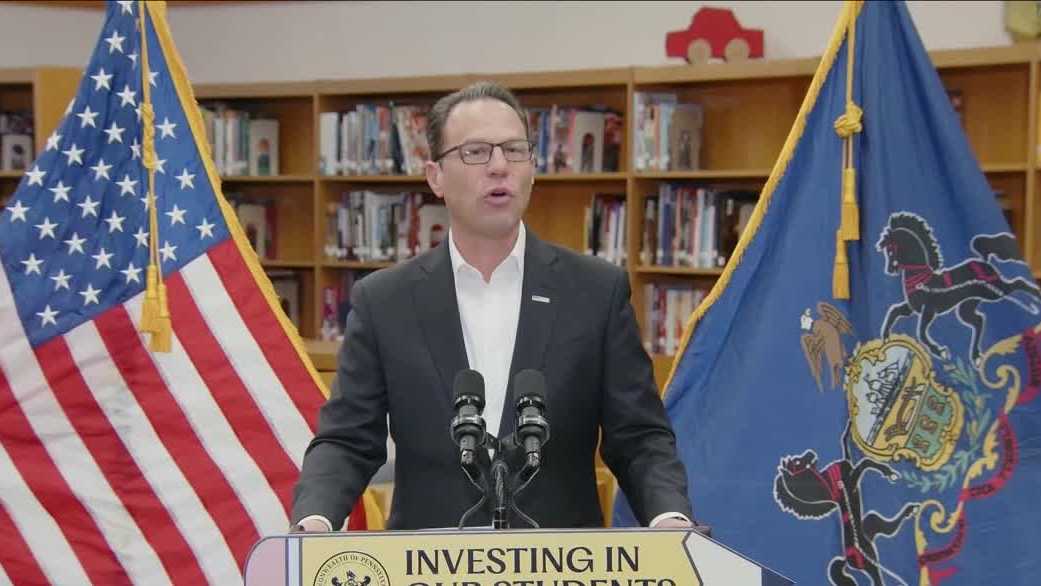
Gov. Josh Shapiro visited a school district facing increased demand for pre-K and other student supports, highlighting the impact of the funding.
“Three thousand more students are enrolled in career and technical education, things like the cadet program, 3,000 more students now have the benefit of that because we increased funding. 778 schools have hired more mental health counselors. That’s a big deal,” Shapiro said.
The Susquehanna Township School District received close to $1.88 million, while the Harrisburg School District got $7.4 million in adequacy funding and more than $600,000 to offset its lower tax base.
Cumberland Valley School District received nearly $3.3 million.
Some lawmakers, including Rep. Tom Kutz, of Middlesex Township, believe there is a need to discuss the future of education spending, especially as school districts often raise local taxes to balance budgets.
“The last thing that they can afford is for their mortgage payment to keep going up every year because of taxes. I think from a state standpoint, every dollar that we spend as a state needs to be thought of effectively and efficiently to help our local counterpoints by and large to avoid those tax increases,” Kutz said.
Kutz expressed enthusiasm about the adequacy of funding for the Cumberland Valley School District, which helps address the region’s massive growth. However, he suggested that eventual changes in school funding might be necessary to prevent imbalances.
Gov. Shapiro, in recent interviews, addressed the topic of banning children and teens from social media, suggesting that instead of bans, children should be educated on evaluating what they see and read.
He pointed to a literacy platform created by his education department, a topic gaining attention following a ban in Australia and discussions among 2028 presidential hopefuls.