
Save for a temporary injection of funds from the Biden administration, Pennsylvania has allowed the state Department of Environmental Protection’s staffing to stagnate during the natural gas boom years, according to an environmental group’s new report.
In its report, “State of Decline, Cuts to State Environmental Agencies Compound Damage from the Dismantling of EPA,” the Environmental Integrity Project (EIP) says the DEP cut 91 employees from 2010 to 2023 while increasing the agency’s budget by just 1 percent a year over the same period.
Last year, though, the DEP’s budget increased by 62 percent mostly from “a one-time injection” of money from the Inflation Reduction Act and the Infrastructure Investment and Jobs Act under the former Biden administration.
Although 136 employees were added, the DEP’s staffing level “remains similar” from before natural gas drilling and fracking increased, EIP said. In 2010, the DEP had 2,552 employees compared to 2,597 in 2024.
“So while DEP’s funding appears to have risen substantially … most of that growth was a one-time influx of federal funds in 2024 that will not be repeated under the Trump administration, which has promised sharp cuts to federal funding for state environmental agencies,” said EIP, “and staffing at the state agency has barely budged, raising the possibility that Trump-era cuts could hit Pennsylvania hard.”
DEP spokesman Neil Shader told PennLive that the “Shapiro administration takes seriously the importance of investing in DEP so that it can carry out its mission of protecting Pennsylvania air, land and water resources and ensuring the health and safety of its residents and visitors.”
In 2022 under former Gov. Tom Wolf, DEP’s general fund budget was $169 million and in the recently passed state budget under Gov. Josh Shapiro that amount was nearly $246.6 million, “an increase of nearly 46% over three years,” Shader said.
Pennsylvania is not the only state to show an increase in funding under Biden administration initiatives with Idaho and Tennessee also seeing boosts, EIP said.
Several states have massively slashed funding for environmental efforts from 2010 to 2024 with Mississippi leading the way at 71% followed by South Dakota (61%) and Connecticut (51%).
During that same period, North Carolina made the steepest job cuts at 32% followed by Connecticut (26%), Arizona (25%) and Louisiana (24%).
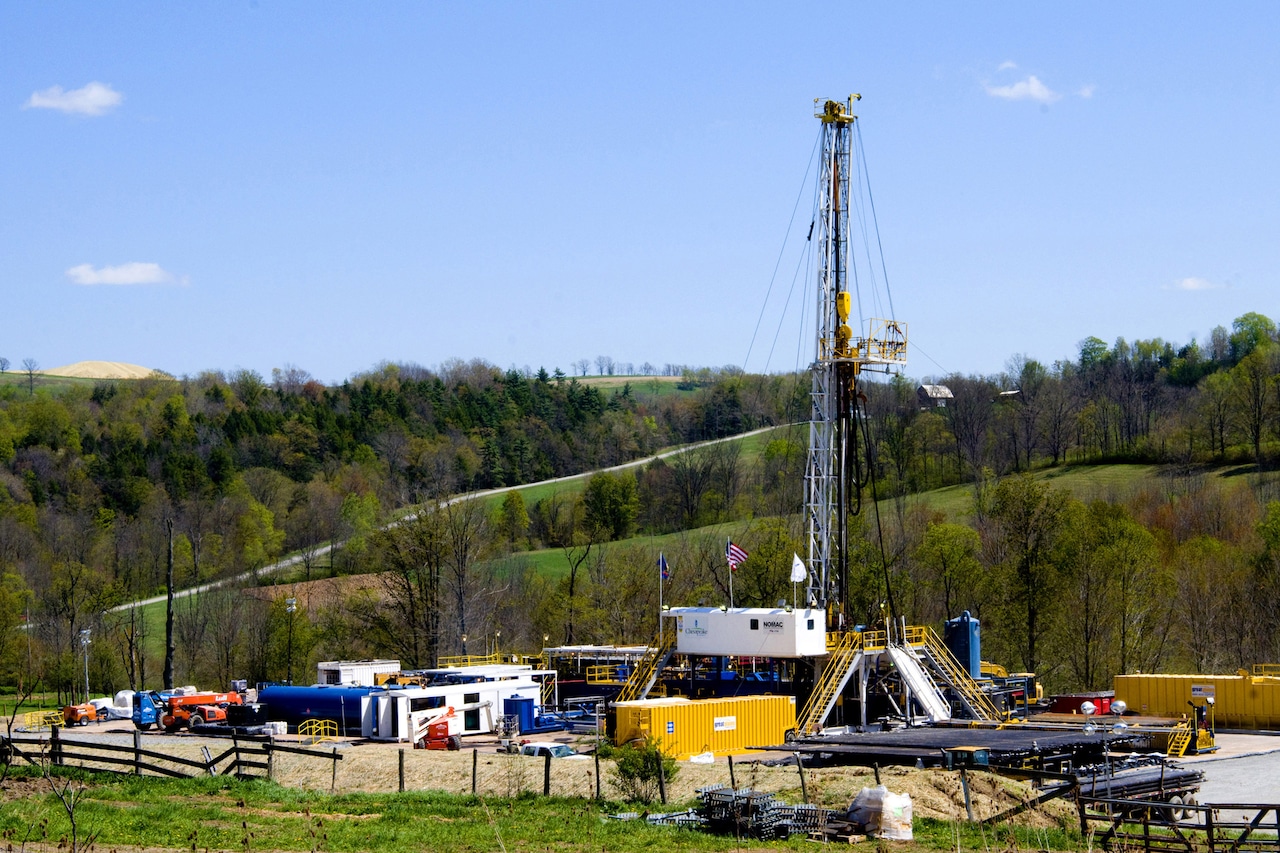
Besides trying to keep up with Chesapeake Bay restoration demands, the PA DEP has seen 33,000 wells drilled from 2007 to 2023 and the number of air pollution control permits rise from 2,993 in 2016 to 3,888 in 2024, said the EIP.
There are now 120,000 active oil and gas well permits, the EIP noted, and the state is trying to plug more than 500,000 orphaned and abandoned wells.
EIP included observations by state Rep. Greg Vitali, a Delaware County Democrat on the House Environmental and Natural Resource Protection Committee, in an op-ed he penned in March for the Philadelphia Inquirer.
“The DEP needs more boots on the ground to engage in inspection activity and more compliance personnel to enforce environmental laws and regulations,” he wrote.
DEP’s enforcement actions against “major polluters” plummeted 57% from 2016 to 2024, the EIP reported, although it has successfully fined companies for significant violations such as Sunoco’s Mariner East II pipeline project.
EIP also said that Pennsylvania has dropped the ball when it comes to doing its part to reduce water pollution in the Chesapeake Bay.
“Among the regional states, Pennsylvania is by far the largest source of pollution in the Bay, and the Susquehanna River that flows through the commonwealth is the estuary’s largest tributary,” the report states.
Earlier this month, Shapiro was elected the chairman of the Chesapeake Executive Council, the primary body overseeing restoration of the Bay.
Shapiro is the first Pennsylvania governor to lead the group since former Gov. Ed Rendell was chairman in 2005.