
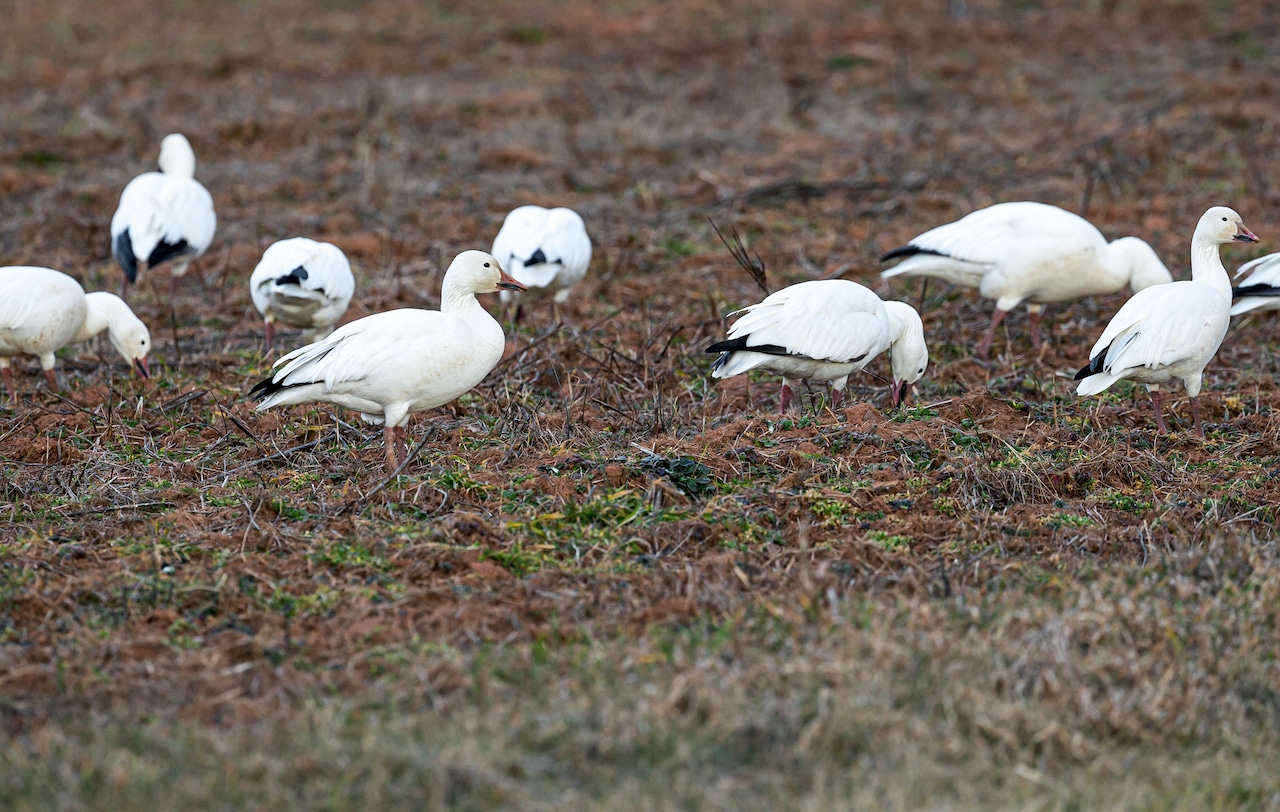
The Pennsylvania Game Commission is investigating the deaths of hundreds of snow geese discovered at a Northampton County quarry, with avian influenza suspected as the cause.
The commission said Tuesday it is coordinating a response that includes safe removal, testing and disposal of the birds. Results from testing will determine whether highly pathogenic avian influenza is responsible for the deaths.
Pennsylvania residents who encounter sick or dead wild birds can report them to the Game Commission at 833-742-9453 (833-PGC-WILD). Sick or dead domestic birds should be reported to the Pennsylvania Department of Agriculture at 717-772-2852.
The U.S. outbreak of highly pathogenic avian influenza began in January 2022 and has impacted wild and domestic birds in every state. Pennsylvania experienced a sharp resurgence of HPAI cases in wild birds during late 2024 and early 2025. While impacts decreased after several weeks, the virus has continued to be detected at lower levels.
Wild waterfowl and shorebirds are considered natural carriers for avian influenza viruses and can shed the virus in their feces and saliva while appearing healthy. The virus can also cause sickness or death in raptors, including hawks and eagles, avian scavengers such as crows and gulls, and wild poultry like turkey and grouse.
The virus typically does not affect bird species that frequent backyard bird feeders. Officials recommend emptying and disinfecting feeders and baths every couple of weeks with a 10% household bleach solution. If multiple sick or dead birds appear over a short period, residents should consider leaving feeders down and baths empty to avoid worsening potential outbreaks.
Clinical signs of infection in wild birds include neurologic dysfunction such as circling, head tilting and difficulty flying.
The U.S. Centers for Disease Control and Prevention has classified the current HPAI outbreak as primarily an animal health issue that poses low risk to the general public. However, people who have had contact with sick or dead birds and are not feeling well should contact their primary care physician or the Pennsylvania Department of Health at 877-724-3258 (877-PA-HEALTH).
Waterfowl hunters are encouraged to continue participating in the remaining season while taking precautions. Recommended safety measures include wearing gloves, protective eyewear and masks while handling and dressing birds. Hunters should wash their hands and any clothing or equipment used in dressing game that may contain blood or feces. All wild bird meat should be cooked to 160 degrees Fahrenheit.
Dogs are also at risk of HPAI infection. Pet owners should keep their dogs up to date on vaccinations and preventive medications, prevent contact with wild birds or their feces, and not allow dogs to consume environmental water.
More information about avian influenza is available at pa.gov/pgc.