
December 17, 2025 | 6:00 AM
Asia Tabb

Asia Tabb is the Host and Producer for WITF’s The Spark.
She began her start in radio when she joined legendary radio/ host producer, Doc Christian. She worked closely with Doc for her role on “The Gospel Express, on WHOV 88.1 FM and was a host for “Unrestricted Praise” at Praise FM.
Previously she was an anchor in Shreveport, Louisiana at KTAL/KMSS. Asia also worked as a Multi-Media Journalist at WHP-TV here in Harrisburg, PA.
Asia got her break into news at KTVO in Ottumwa, Ia. While the 2020 caucuses were gearing up. Asia followed many candidates through their campaign trail from Senator Cory Booker, Congresswoman Tulsi Gabbard, and 46th President of the United States Joe Biden.
Asia was born and raised in Norfolk, Va. She graduated from Old Dominion University in 2018 with a major in Communications.
Asia is extremely friendly so don’t be afraid to say hi if you see her out and about.
AIRED; December 16, 2025
Listen to the podcast to hear the full conversation.
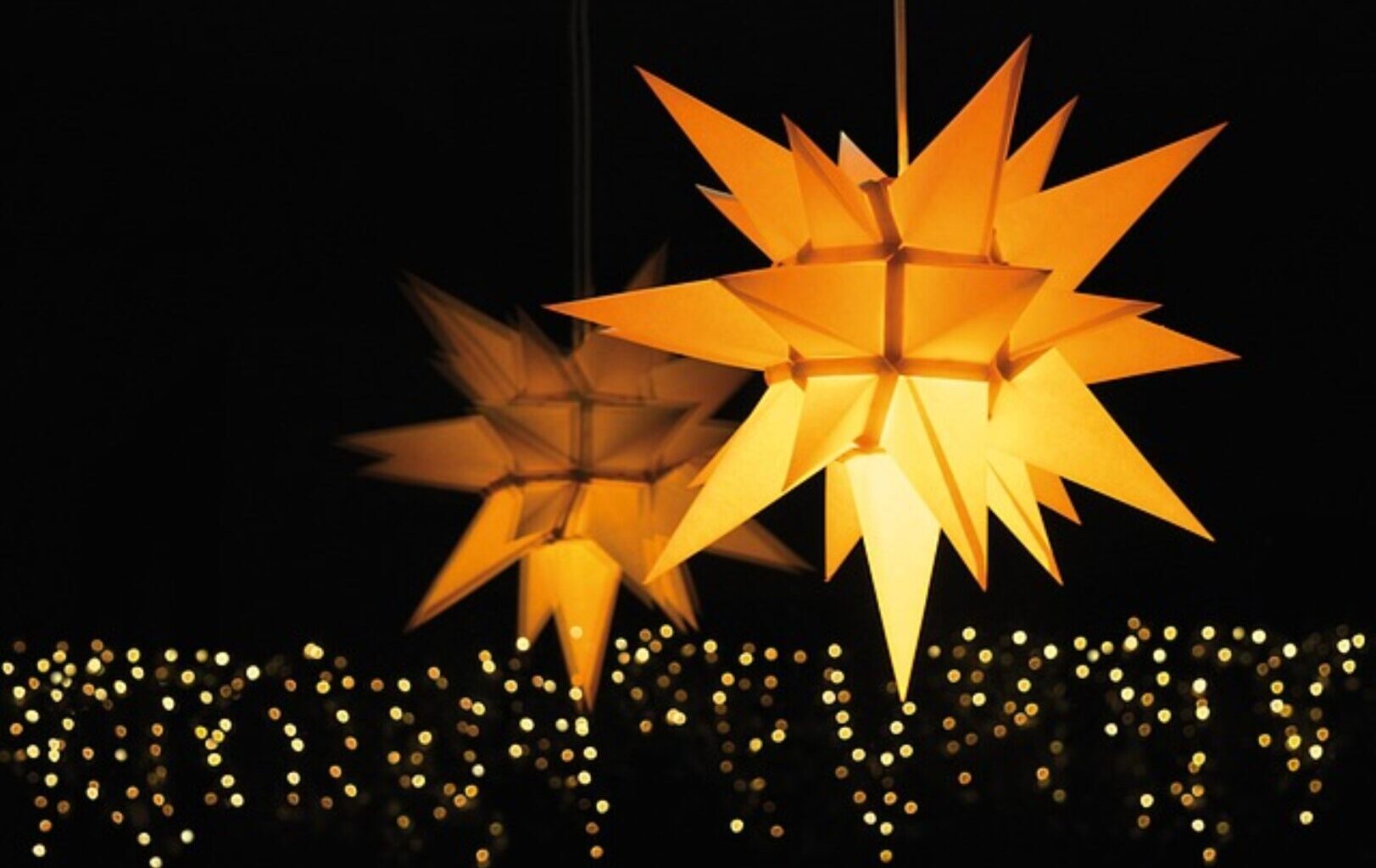
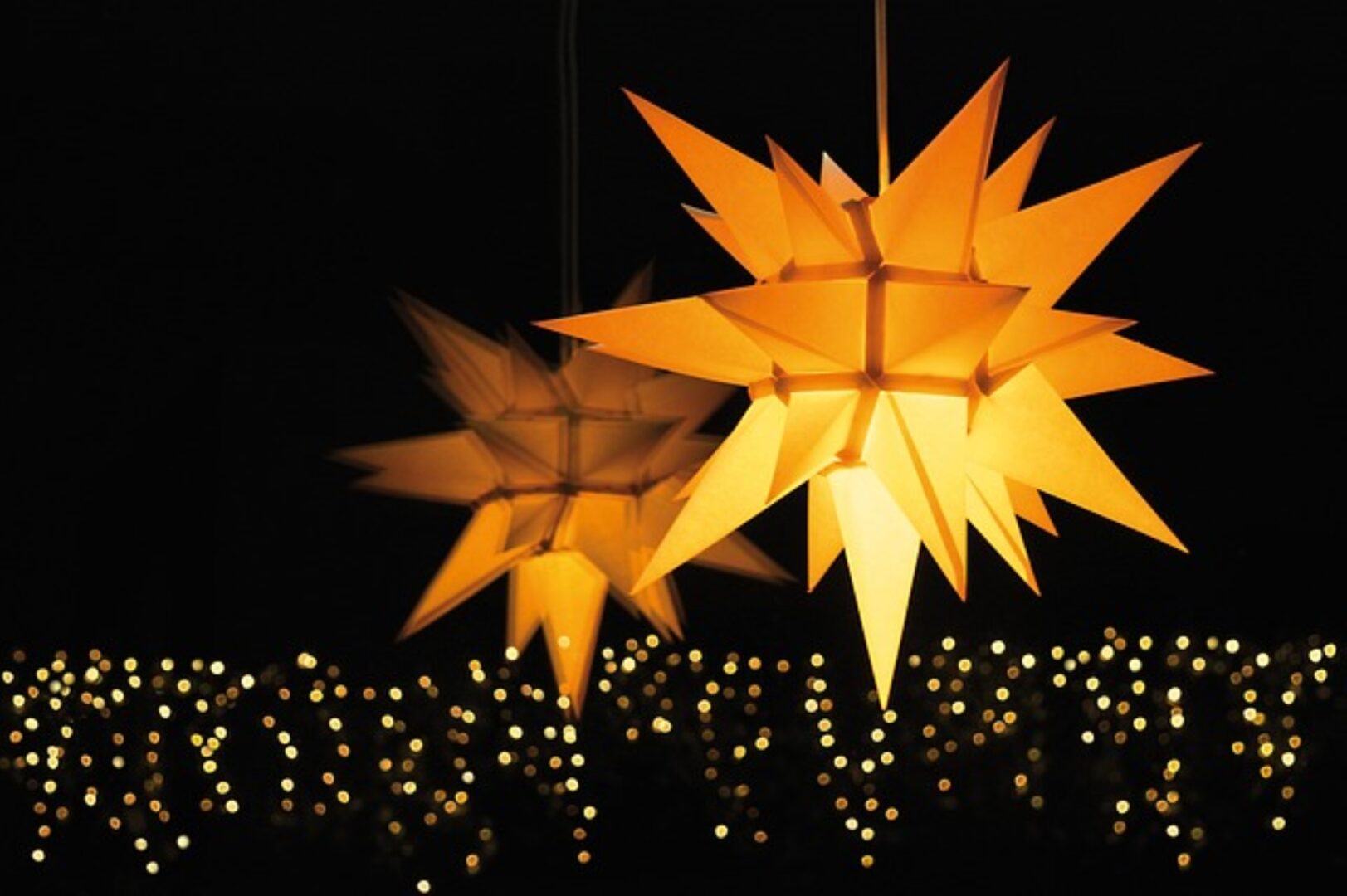
On a recent episode of The Spark, Thomas McCullough, assistant archivist of the Moravian Church Northern Province, traced the deep historical roots behind one of Pennsylvania’s most recognizable holiday symbols: the Moravian star. McCullough explained that the Moravian Church dates back to 1457 and originated in what is now the Czech Republic, later spreading across Europe and eventually to Pennsylvania in 1740. “The Moravian Church is a Christian church denomination that traces its origins back to 1457,” he said, noting that its members were often refugees who worshipped privately before finding stability and beginning global missionary work.
The earliest documented reference to the Moravian star, McCullough said, comes from a student diary dated December 27, 1820. “The oldest reference that we have to a Moravian star dates back to 1820,” he explained, holding up a diary written in German by a student attending a Moravian boys’ school in Niesky, Germany. According to the entry, a large star with 110 points was hung during the Advent season. McCullough said the star likely began as a teaching tool. “Geometry teachers saw students struggling and they thought, right, we can combine geometry with Christian education,” he said, pointing to biblical references to the star as a natural symbol to pair with learning.
What makes this discovery especially meaningful is where it was found. Rather than being uncovered in Germany, the diary surfaced in the Moravian Archives in Bethlehem. “The fact that we have the document is because that student… happens to come here,” McCullough said, explaining that the student later served as a pastor in North America and brought his personal papers with him. Those documents were eventually donated to the archives, allowing historians in Pennsylvania to contribute a key piece to the Moravian star’s story.
Today, the star remains closely tied to the Advent season, traditionally displayed from the start of Advent through Epiphany on January 6. While many now keep the star lit year-round, McCullough noted its original purpose was both symbolic and communal. It marked the seasons of Advent and Christmas while encouraging families to assemble and hang the star together, a tradition that continues to glow across Pennsylvania each holiday season.
Listen to The Spark on your favorite platform