
Discover the Star of Bethlehem tonight at the U.S. Space & Rocket Center’s INTUITIVE® Planetarium; an elegant, visually immersive program that traces historical, astronomical, and cultural theories about the famed “Christmas Star.” Using the planetarium’s cutting‑edge dome visuals, presenters recreate ancient skies and walk audiences through possibilities like planetary conjunctions, comets, and novae, blending scientific evidence with historical context for a balanced, thought‑provoking experience.
What the program explores
The Star of Bethlehem program offers a thoughtful, even‑handed exploration that bridges astronomy and faith. Presenters guide audiences through competing explanations for the celestial sign described in the Gospel of Matthew, laying out each hypothesis with clarity and respect.
• Scientific possibilities: The show examines astronomical candidates such as planetary conjunctions, bright comets, novae or supernovae, and unusual orbital alignments, explaining the mechanics and visibility of each phenomenon.
• Historical context: Each theory is placed against the backdrop of ancient skywatching, historical records, and the cultural practices of the Magi so viewers can see how observers two millennia ago might have interpreted an extraordinary sky event.
• Observational evidence: Using planetarium visuals and reconstructed night skies, the program demonstrates what these events would have looked like from Earth, how long they would have lasted, and whether they match the timing and description in the Nativity account.
• Balanced perspective: Rather than insisting on a single answer, the presentation encourages curiosity and critical thinking, inviting audiences to weigh the scientific data, historical clues, and theological meanings and decide which explanation resonates most.
The result is an engaging, illuminating experience that respects both scientific inquiry and religious tradition while bringing the ancient heavens vividly to life.
Where and when to go
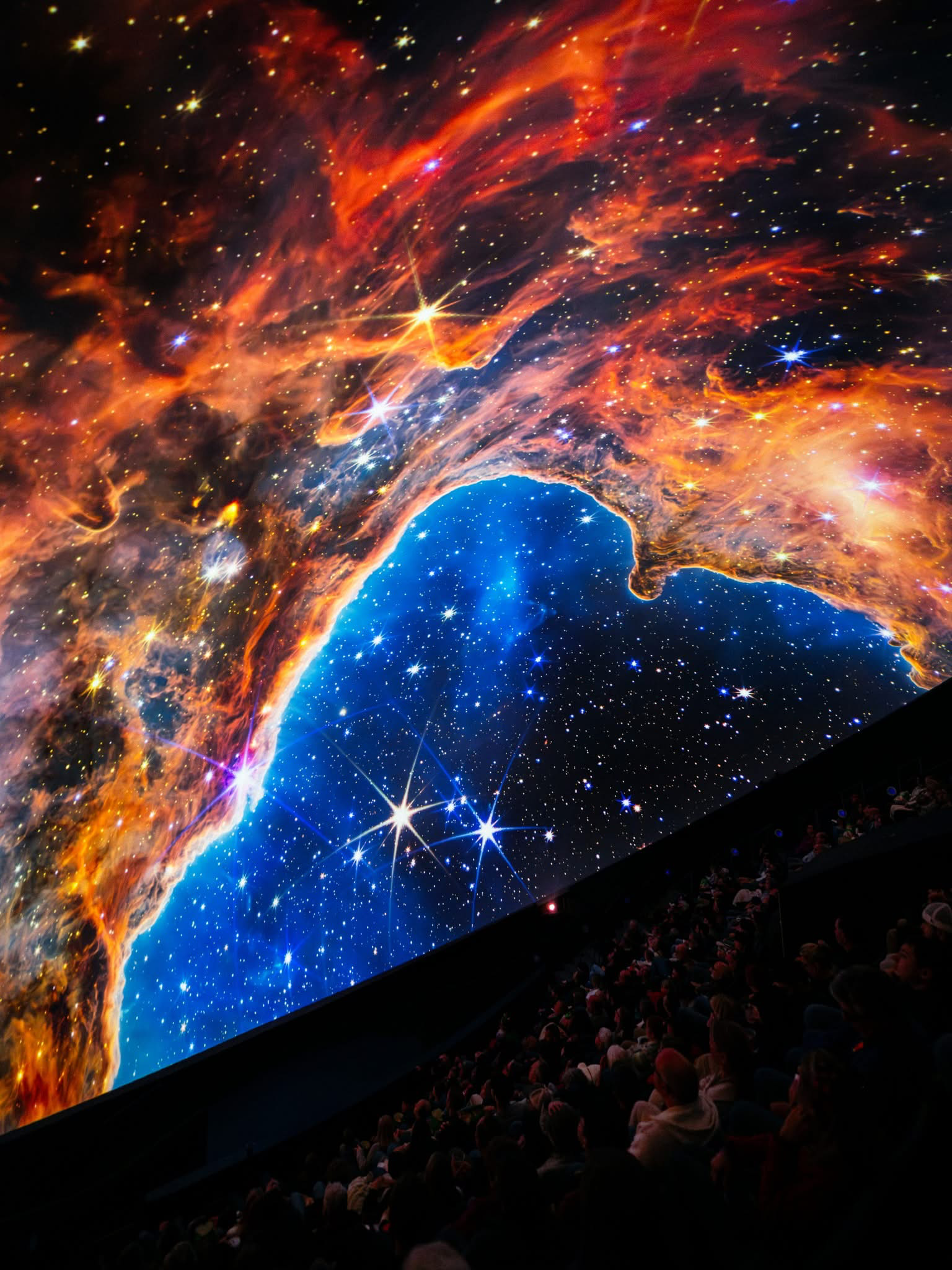
The program is staged in the INTUITIVE® Planetarium, the U.S. Space & Rocket Center’s cutting‑edge 8K digital dome theater. Its ultra‑high‑resolution visuals and full‑dome projection create an immersive sky that makes it easy to trace planetary motions, recreate ancient starfields, and visualize how the Magi might have read an extraordinary celestial event.
The Center sits at One Tranquility Base, Huntsville, AL. Evening performances run on select dates in December with a 7:00 PM start time; doors open earlier to allow seating and a brief pre‑show orientation. For the best experience, arrive early to get settled and take advantage of the planetarium’s surround visuals.
Why this venue matters
Since opening in 1970, the U.S. Space & Rocket Center has grown into one of the world’s leading spaceflight museums and a hands‑on educational hub for visitors of all ages. Its blend of historic artifacts, interactive exhibits, and immersive theaters creates an ideal setting for a program that thoughtfully bridges rigorous astronomy with cultural and religious history.
The Center’s authentic hardware and experiential attractions let audiences move seamlessly from ancient skywatching to modern spaceflight. Under the planetarium dome you can trace celestial mechanics one moment and, minutes later, stand beside the very rockets and modules that turned skyward curiosity into human exploration.
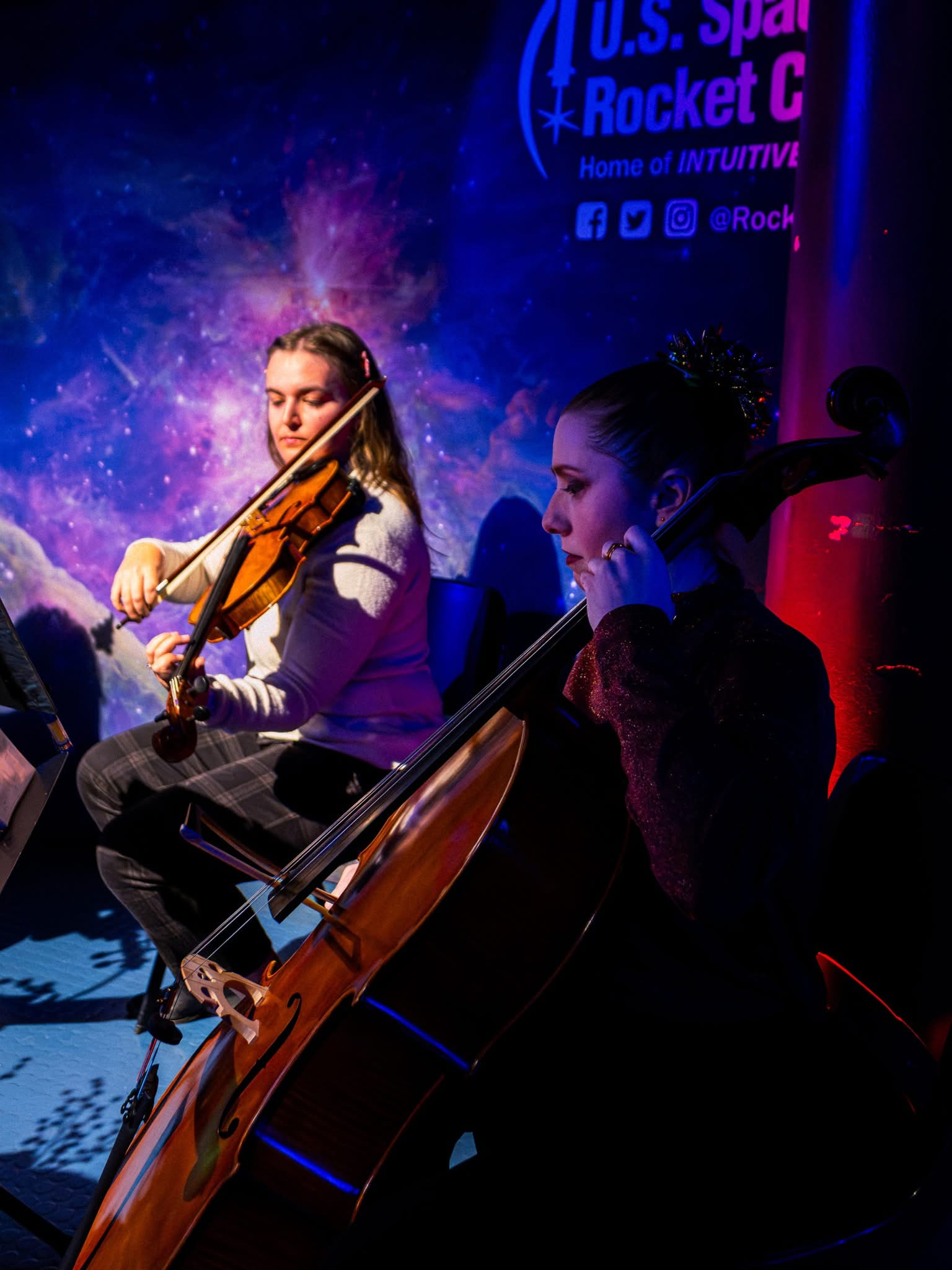
Notable exhibits that enrich the experience
• Saturn V Moon Rocket: A National Historic Landmark and centerpiece of America’s lunar program.
• Apollo command modules: Tangible links to the crews who navigated by the stars.
• Skylab and shuttle artifacts: Examples of long‑duration and reusable flight technology.
• Interactive simulators and theaters: From G‑Force rides to the INTUITIVE® Planetarium, these features let visitors feel the physics behind the astronomy.
Together, these elements give the Star of Bethlehem program a powerful, context‑rich backdrop, one that connects ancient observations to the tools and techniques that define modern astronomy and space science.
What to expect at the show
• Immersive visuals: The INTUITIVE® Planetarium’s full‑dome projection recreates the night sky as it may have looked two millennia ago, animating planetary motions, conjunctions, and rare alignments in vivid detail so you can watch celestial events unfold in real time. The presentation uses high‑resolution simulations to slow, rewind, and zoom in on key moments for clear, memorable viewing.
• Balanced perspective: Presenters lay out scientific evidence alongside historical records and theological interpretations, explaining the strengths and limits of each hypothesis with clarity and respect. The tone is inquisitive rather than prescriptive, inviting audiences to weigh the data, consider cultural context, and form their own conclusions.
• Family‑friendly learning: Although the program engages with religious tradition, it’s designed for general audiences: students, amateur astronomers, and curious families. Content is accessible and engaging, with clear explanations, striking visuals, and opportunities for questions that make complex ideas easy to follow.
Practical details & tips
• Tickets & discounts: Tickets are typically modestly priced and may include member discounts; check the Center’s website or box office for current rates and availability.
• Arrive early: Plan to arrive well before showtime to explore galleries, catch a pre‑show talk, or try a simulator for a richer evening.
• Family guidance: The planetarium presentation runs about 45–60 minutes and is best enjoyed by slightly older children who can sit quietly for the full program; consider quieter time slots or a shorter museum visit for very young guests.
• Practical extras: Allow extra time for parking and check accessibility options with the Center if you need special seating or accommodations.
Final Takeaway
Whether you come for faith, science, or simply the spectacle, the Star of Bethlehem program at the U.S. Space & Rocket Center offers a rare opportunity to watch history and astronomy converge beneath a single dome. The presentation pairs rigorous sky simulations with cultural and historical context, leaving audiences with vivid images of ancient skies and a renewed sense of how people across eras have looked to the heavens for guidance, wonder, and meaning.