
![Philadelphia architect left his mark on Lancaster city’s residences [architecture column] | Home & Garden](https://www.newsbeep.com/us-pa/wp-content/uploads/2026/01/6960370c82c31.image_.jpg)
THE ARCHITECTS OF LANCASTER, PART 10:
WILLIAM CRESSON PRICHETT JR., 1859-1925
The Architects of Lancaster is a series that highlights the beautiful and oft times unheralded work of the architects who designed our buildings over the past 175 years. Their names have long been forgotten but their mark on our community lives on.
Lancaster’s close proximity to the metropolitan areas of Philadelphia, Baltimore and New York opened the door for architects to win design commissions in our community. To date, we have identified over 100 out-of-town architects, from as far away as Chicago, who have surviving structures in our city. William C. Prichett Jr. is the first of these notable architects to be celebrated in this series.
Close
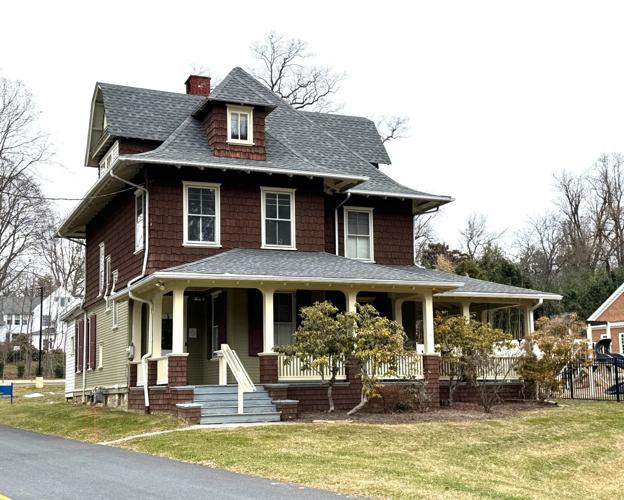
A Lancaster residence on Columbia Avenue, built in 1891 for William Gleim, was designed by William C. Prichett Jr. A wrap-around porch was added later; note the Dutch gambrel roof, the wrought-iron fence and shade trees.
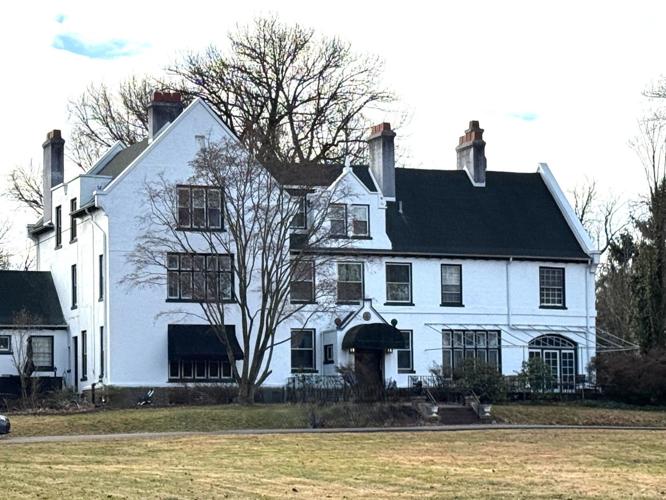
A mansion built in 1909 for James Laird Brown on Columbia Avenue was designed in the English Domestic style by William C. Prichett Jr. It has white stucco finish, a distinctive gable and clay chimney pots.
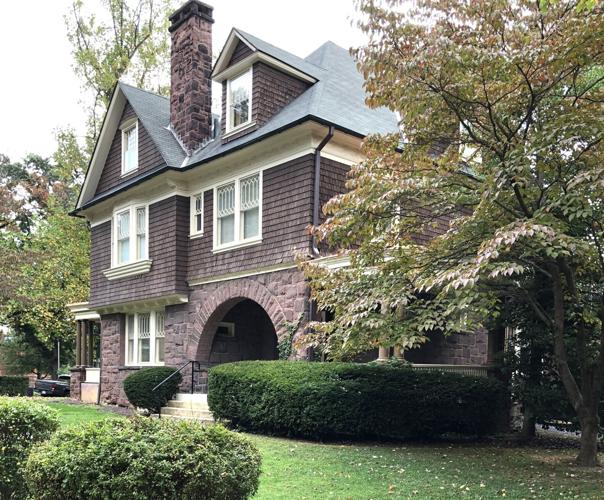
This residence was designed for Franklin & Marshall College professor John Kieffer, in the 400 block of College Avenue, by William C. Prichett Jr.
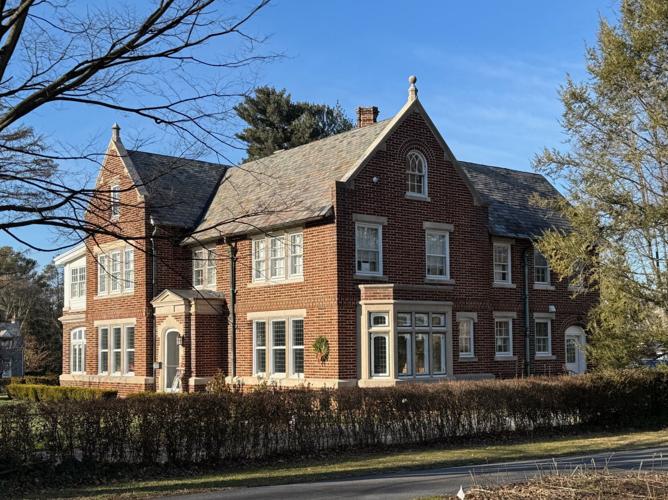
William C. Prichett Jr. designed this 1916 home for Hugh Clark on Buchanan Avenue. It’s an Edwardian eclectic house with red brick, cast-stone trim and window surrounds.
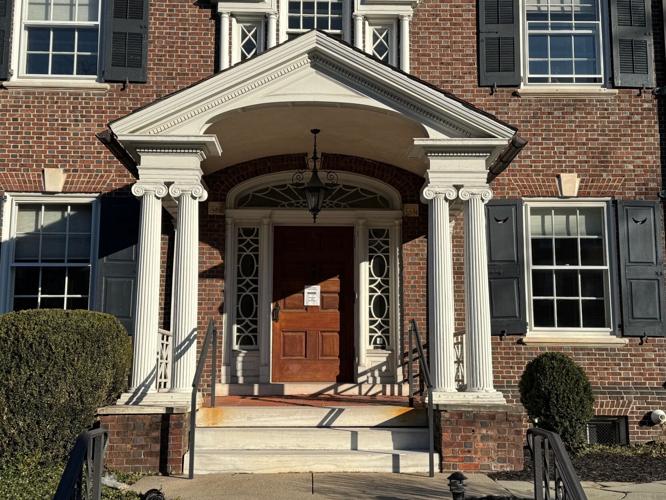
A mansion built in 1911 for Herbert W. Hartman, in the 400 block of North Duke Street, was designed by William C. Prichett Jr. It’s a five-bay Georgian Revival home with paired fluted columns and ionic capitals at the entry.
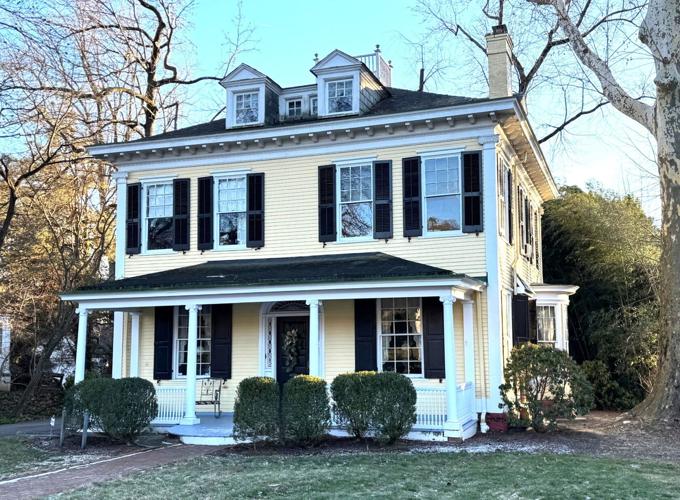
An 1899 residence designed by William C. Prichett Jr. for John C. Hager is on Wheatland Avenue. It’s a Queen Anne-style home with yellow clapboard siding and black shutters.
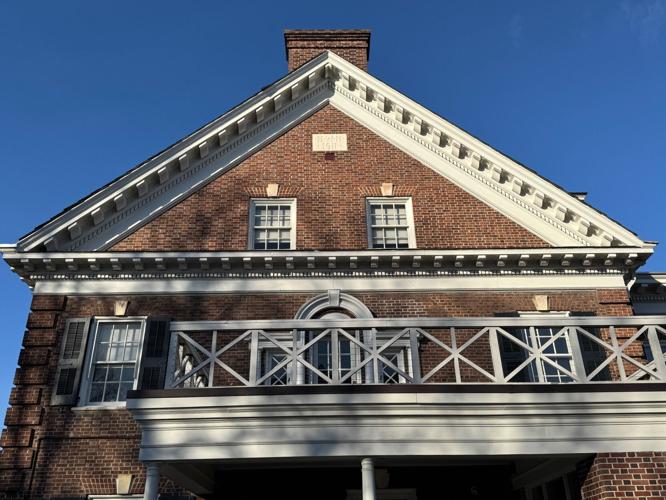
A mansion built in 1911 for Herbert W. Hartman, in the 400 block of North Duke Street, was designed by William C. Prichett Jr. It’s a five-bay Georgian Revival home with with a pent eave on gable ends and modillions on rake.
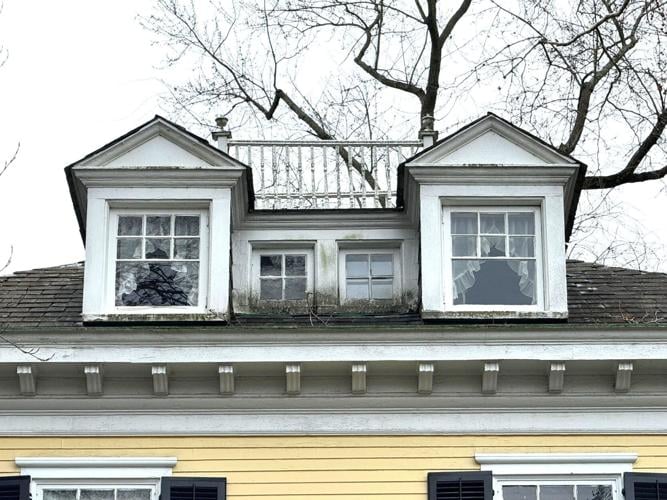
An 1899 residence designed by William C. Prichett Jr. for John C. Hager is on Wheatland Avenue. It’s a Queen Anne-style home with yellow clapboard siding and black shutters. It has a Nantucket dormer and a widows’ walk.
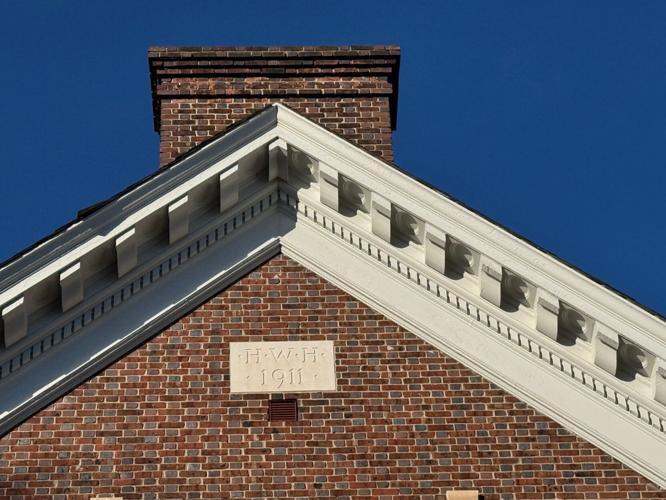
A mansion built in 1911 for Herbert W. Hartman, in the 400 block of North Duke Street, was designed by William C. Prichett Jr. It’s a five-bay Georgian Revival home with an owner-initialed 1911 date stone.
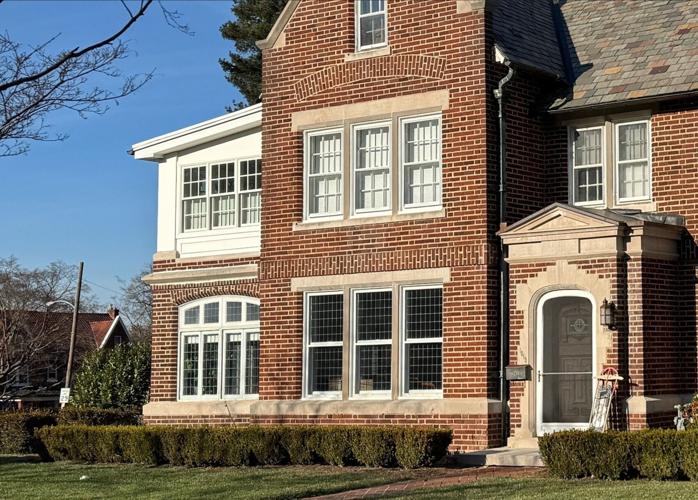
William C. Prichett Jr. designed this 1916 home for Hugh Clark on Buchanan Avenue. It’s an Edwardian eclectic house with a cast-stone pediment over the entry and relieving arch over the second-floor window.
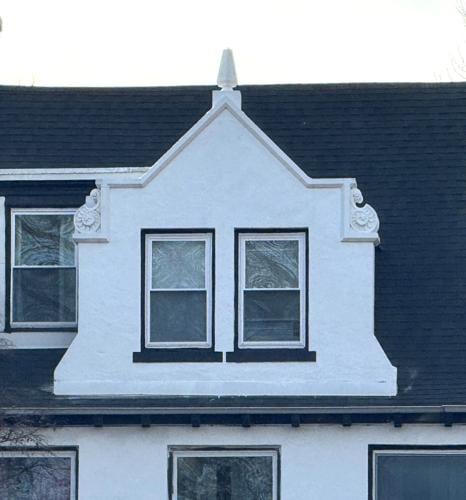
A mansion built in 1909 for James Laird Brown on Columbia Avenue was designed in the English Domestic style by William C. Prichett Jr. It has a distinctive gable and clay chimney pots, with a white stucco fractable and scrolled shoulders.
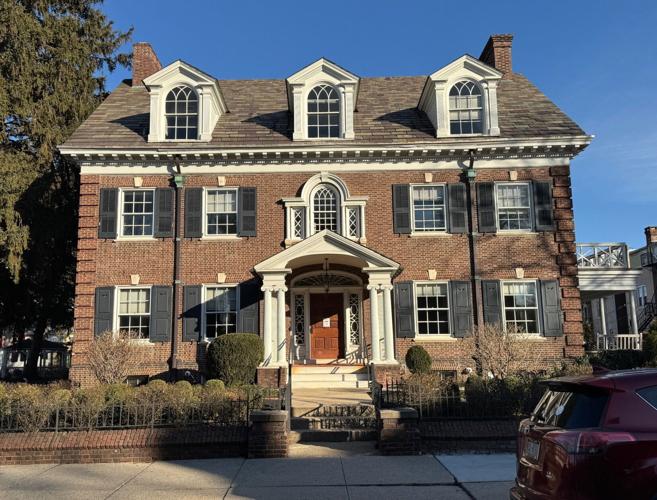
A mansion designed by William C. Prichett Jr. was built for Alan A. Herr in 1906 on North School Lane. It’s a rare two-story, red brick, six-bay Georgian Revival home.
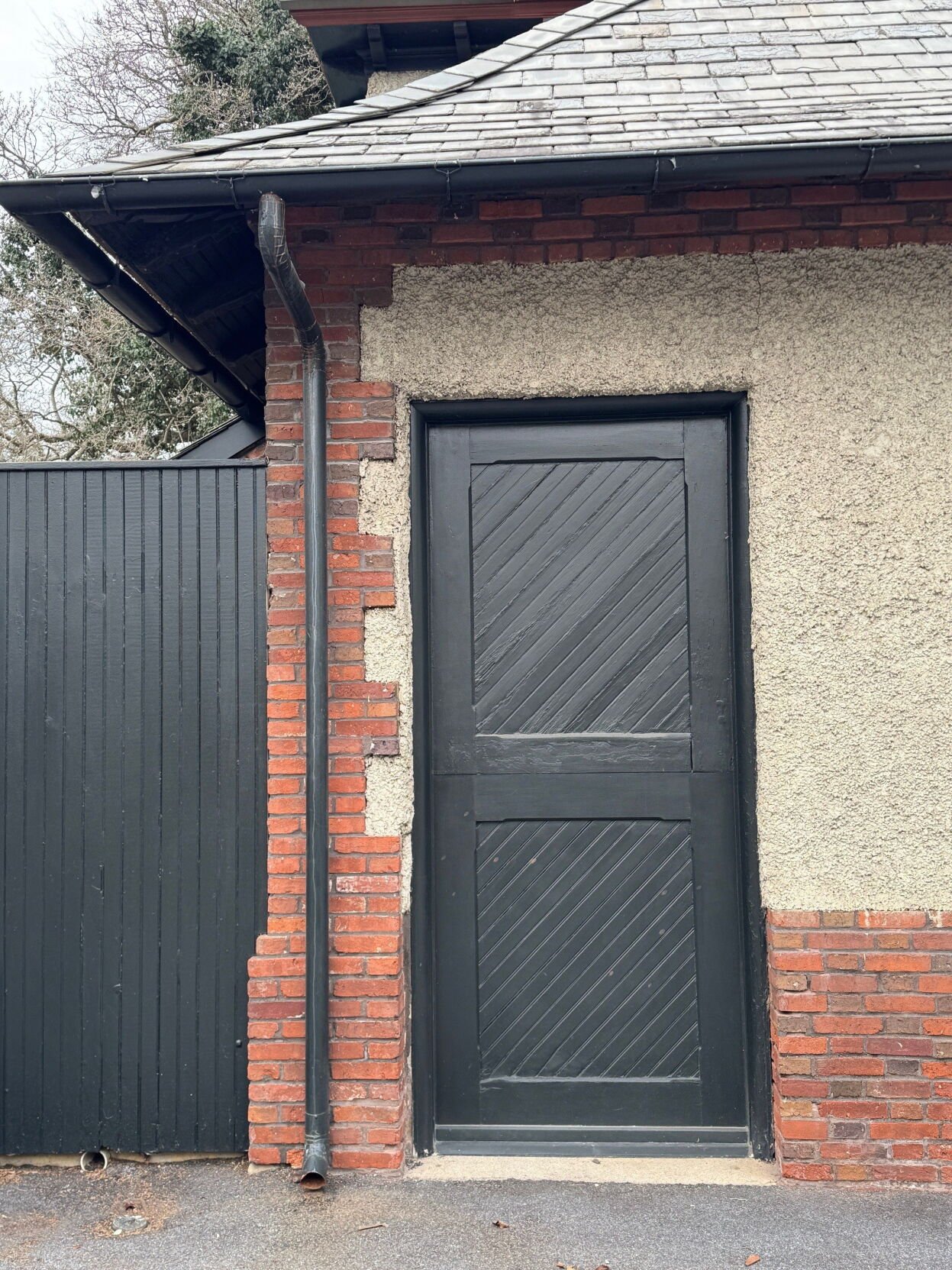
The Foltz Carriage House on North Concord Street was built in 1897 and designed by William C. Prichett Jr. It’s an English Domestic-style home with pebbled stucco walls, a wood service door with diagonal tongue-and-groove boards and brick quoins.
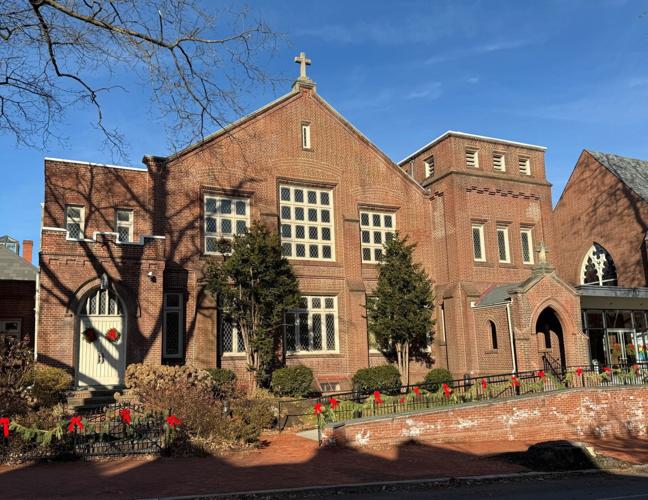
St John’s Episcopal Church’s 1915 Parish Hall on West Chestnut Street was designed by William C. Prichett Jr. It’s in the Gothic Revival style with Flemish bond-brick relieving arches and brick corbels.
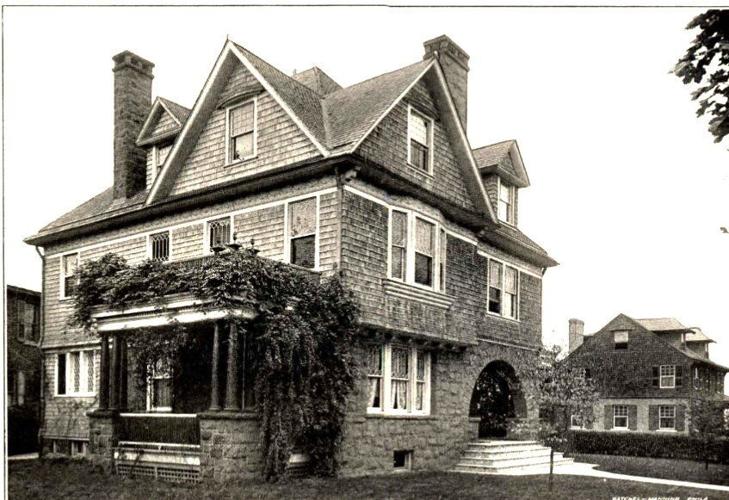
This residence was designed for Franklin & Marshall College professor John Kieffer, in the 400 block of College Avenue, by William C. Prichett Jr. It’s a Queen Anne shingle-style home with a Richardsonian arch.
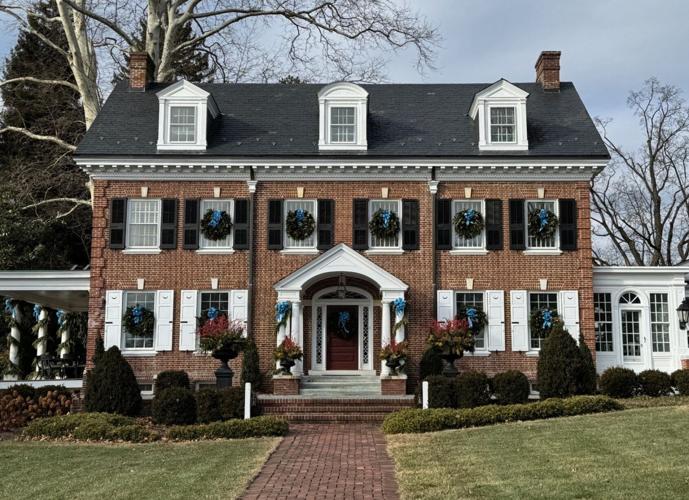
A mansion designed by William C. Prichett Jr. was built for Alan A. Herr in 1906 on North School Lane. It’s a rare two-story, red brick, six-bay Georgian Revival home.
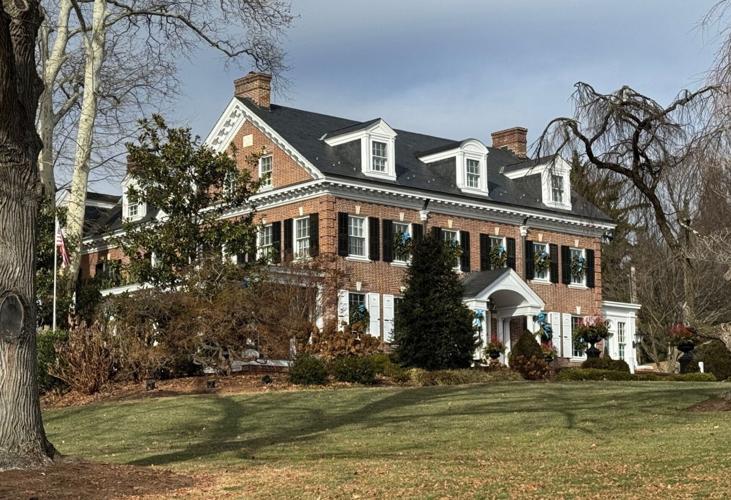
A mansion designed by William C. Prichett Jr. was built for Alan A. Herr in 1906 on North School Lane. It’s a rare two-story, red brick, six-bay Georgian Revival home.
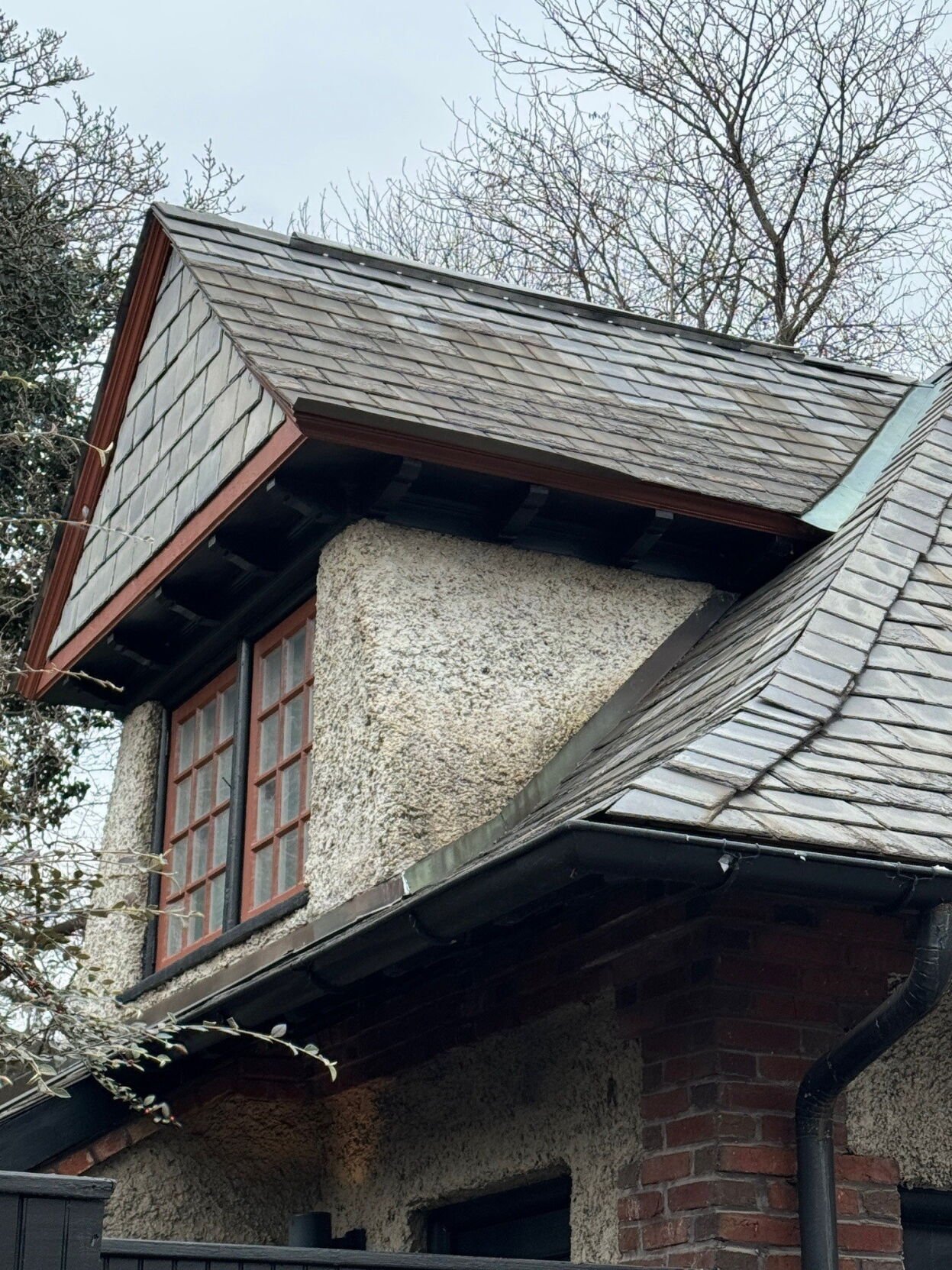
The 1897 Foltz Carriage House on North Concord Street was designed in the English comestic style by William C. Prichett Jr. It has flared slate-roof eaves and pebbled stucco walls.
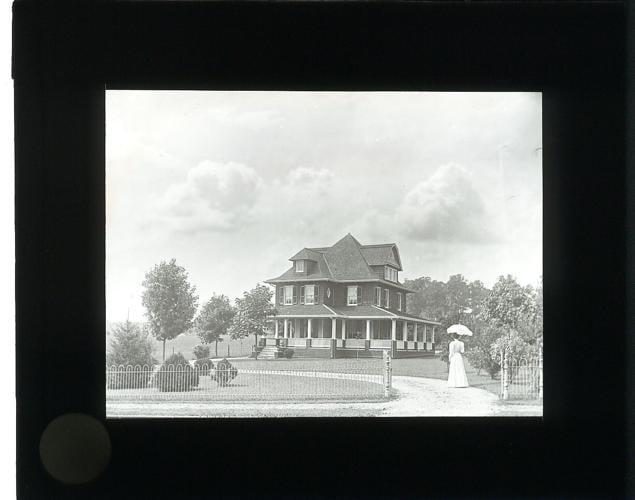
A Lancaster residence on Columbia Avenue, built in 1891 for William Gleim, was designed by William C. Prichett Jr. A wrap-around porch was added later; note the Dutch gambrel roof, the wrought-iron fence, shade trees — and a woman with a parasol.
8. Wm Gleim Residence after wrap-around porch added – note Dutch gambrel roof -wrought iron fence – shade trees and woman with parasol – Photo LH Museum Buildings designed by William C. Prichett Jr., for Gregory J. Scott column j11
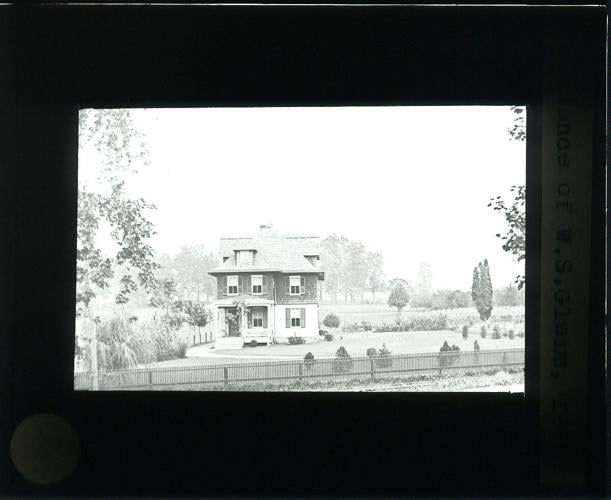
7. Wm Gleim Residence 1891 Columbia Ave before wrap-around porch added-Queen Anne with two-tone color scheme -shingles-flared roof eaves.
A Lancaster residence on Columbia Avenue, built in 1891 for William Gleim, was designed by William C. Prichett Jr. A wrap-around porch was added later; note the Dutch gambrel roof, the wrought-iron fence and shade trees.
A mansion built in 1909 for James Laird Brown on Columbia Avenue was designed in the English Domestic style by William C. Prichett Jr. It has white stucco finish, a distinctive gable and clay chimney pots.
This residence was designed for Franklin & Marshall College professor John Kieffer, in the 400 block of College Avenue, by William C. Prichett Jr.
William C. Prichett Jr. designed this 1916 home for Hugh Clark on Buchanan Avenue. It’s an Edwardian eclectic house with red brick, cast-stone trim and window surrounds.
A mansion built in 1911 for Herbert W. Hartman, in the 400 block of North Duke Street, was designed by William C. Prichett Jr. It’s a five-bay Georgian Revival home with paired fluted columns and ionic capitals at the entry.
An 1899 residence designed by William C. Prichett Jr. for John C. Hager is on Wheatland Avenue. It’s a Queen Anne-style home with yellow clapboard siding and black shutters.
A mansion built in 1911 for Herbert W. Hartman, in the 400 block of North Duke Street, was designed by William C. Prichett Jr. It’s a five-bay Georgian Revival home with with a pent eave on gable ends and modillions on rake.
An 1899 residence designed by William C. Prichett Jr. for John C. Hager is on Wheatland Avenue. It’s a Queen Anne-style home with yellow clapboard siding and black shutters. It has a Nantucket dormer and a widows’ walk.
A mansion built in 1911 for Herbert W. Hartman, in the 400 block of North Duke Street, was designed by William C. Prichett Jr. It’s a five-bay Georgian Revival home with an owner-initialed 1911 date stone.
William C. Prichett Jr. designed this 1916 home for Hugh Clark on Buchanan Avenue. It’s an Edwardian eclectic house with a cast-stone pediment over the entry and relieving arch over the second-floor window.
A mansion built in 1909 for James Laird Brown on Columbia Avenue was designed in the English Domestic style by William C. Prichett Jr. It has a distinctive gable and clay chimney pots, with a white stucco fractable and scrolled shoulders.
A mansion designed by William C. Prichett Jr. was built for Alan A. Herr in 1906 on North School Lane. It’s a rare two-story, red brick, six-bay Georgian Revival home.
The Foltz Carriage House on North Concord Street was built in 1897 and designed by William C. Prichett Jr. It’s an English Domestic-style home with pebbled stucco walls, a wood service door with diagonal tongue-and-groove boards and brick quoins.
St John’s Episcopal Church’s 1915 Parish Hall on West Chestnut Street was designed by William C. Prichett Jr. It’s in the Gothic Revival style with Flemish bond-brick relieving arches and brick corbels.
This residence was designed for Franklin & Marshall College professor John Kieffer, in the 400 block of College Avenue, by William C. Prichett Jr. It’s a Queen Anne shingle-style home with a Richardsonian arch.
A mansion designed by William C. Prichett Jr. was built for Alan A. Herr in 1906 on North School Lane. It’s a rare two-story, red brick, six-bay Georgian Revival home.
A mansion designed by William C. Prichett Jr. was built for Alan A. Herr in 1906 on North School Lane. It’s a rare two-story, red brick, six-bay Georgian Revival home.
The 1897 Foltz Carriage House on North Concord Street was designed in the English comestic style by William C. Prichett Jr. It has flared slate-roof eaves and pebbled stucco walls.
A Lancaster residence on Columbia Avenue, built in 1891 for William Gleim, was designed by William C. Prichett Jr. A wrap-around porch was added later; note the Dutch gambrel roof, the wrought-iron fence, shade trees — and a woman with a parasol.
8. Wm Gleim Residence after wrap-around porch added – note Dutch gambrel roof -wrought iron fence – shade trees and woman with parasol – Photo LH Museum Buildings designed by William C. Prichett Jr., for Gregory J. Scott column j11
7. Wm Gleim Residence 1891 Columbia Ave before wrap-around porch added-Queen Anne with two-tone color scheme -shingles-flared roof eaves.
Born in Philadelphia, four years before C. Emlen Urban, Prichett holds the distinction of being the first student to graduate from the University of Pennsylvania in 1880 with a degree in architecture. Following several years of apprenticeship, he started his own firm in 1887 with his partner Adrian Smith. The firm dissolved after a few short years and Prichett was content practicing alone until his death at the age of 66 in 1925.
His mark on Lancaster’s architecture is quite impressive, especially in the residential arena — where he excelled. His design styles were varied and true to form. He was a direct but friendly competitor to his contemporaries: Urban, Evans, Warner, Rothenberger and Bartholomew. One of Prichett’s earliest commissions in our community is the Columbia Avenue two-story shingle-style residence for William S. Gleim in 1891.

A mansion designed by William C. Prichett Jr. was built for Alan A. Herr in 1906 on North School Lane. It’s a rare two-story, red brick, six-bay Georgian Revival home.
GREGORY J. SCOTT
The distinctive wrap-around porch with a hip-roof dormer and flared eaves leaves a lasting and favorable impression.
Prichett was quick to enter the social circles of Lancaster’s society that could afford luxurious homes on the western edge of the city. Residing on Wheatland Avenue, John C. Hager retained the 40-year-old architect to design an eye-catching two-story yellow clapboard Queen Anne-style residence with white trim and black shutters — complete with an unusual Nantucket dormer and widow’s walk.
Prichett designed several notable five- and six-bay red brick Georgian Revival mansions with perfect proportions and details — the largest being the 1906 residence for Alan A . Herr on North School Lane.
St John’s Episcopal Church’s 1915 Parish Hall on West Chestnut Street was designed by William C. Prichett Jr. It’s in the Gothic Revival style with Flemish bond-brick relieving arches and brick corbels.
GREGORY J. SCOTT
Beyond residences, Prichett was retained by St. John’s Episcopal Church in 1915 to design the church’s impressive Parish House on West Chestnut Street, Lancaster.
The 1897 Foltz Carriage House on North Concord Street was designed in the English comestic style by William C. Prichett Jr. It has flared slate-roof eaves and pebbled stucco walls.
GREGORY J. SCOTT
His design for the English domestic-style carriage house on North Concord Street in 1897 received a historic preservation award in 1986.
Franklin & Marshall College awarded him a commission to design Bisecker Gymnasium in 1924, one year before his untimely death. Prichett’s exemplary work can easily be mistaken for that of C. Emlen Urban.
The American Institute of Architects published his obituary stating that Prichett “… was a man of highest standards and loved the work in which he so long labored.”
Did Urban and Prichett know each other?
Yes. They were both active members of the Philadelphia T-Square Club.
What styles did Prichett present to Lancaster?
Georgian Revival, English Domestic, Queen Anne, Gothic Revival and shingle style.
Did Prichett enter any local design competitions?
Yes. In 1903, he took third place in a competition to design the Long Home at the intersection of Marietta Avenue and West End Avenue. Interestingly, James H. Warner was awarded $250 for second place.
This column is contributed by Gregory J. Scott, FAIA, a local architect with 50 years of national experience in innovation and design. He is a member of the American Institute of Architects’ College of Fellows. Email GScott@rlps.com.
Success! An email has been sent to with a link to confirm list signup.
Error! There was an error processing your request.