
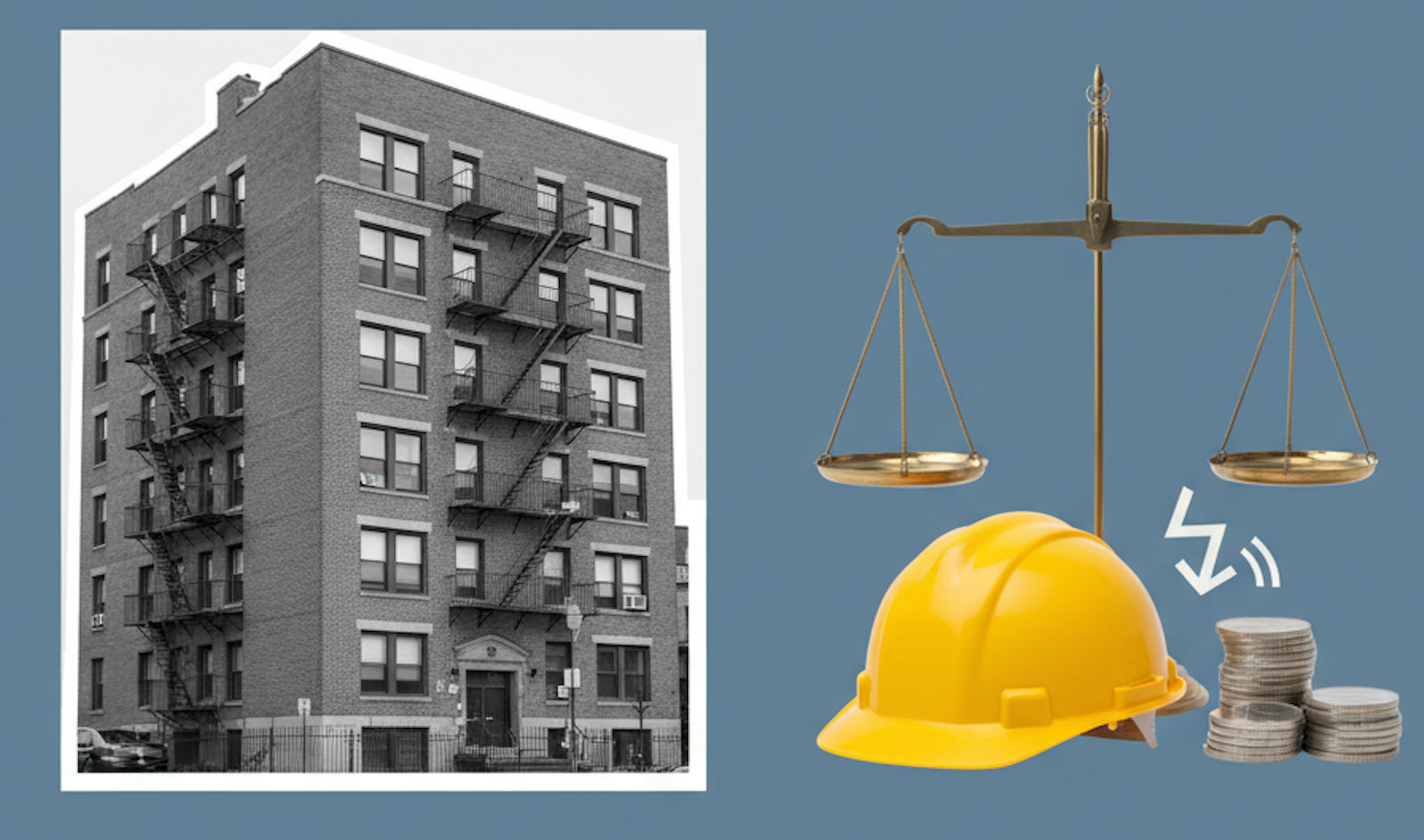
Single-room occupancy housing has made somewhat of a comeback among policymakers nationwide who’ve revived such dwellings as a low-cost safety net. Philadelphia officials, meanwhile, are weighing a zoning change that could threaten it locally instead.
A proposed ordinance would ban “group living” in low-density residential areas within a district in northeast Philadelphia. The ordinance, filed in October 2025, has been in the city council’s rules committee since last month.
Such a ban would come as interest grows nationally to revive boarding houses, also known as single-residence occupancy, to address a housing affordability crisis.
During the past century, cities across the country largely zoned this type of housing out of existence. A Pew research report last year shows a correlation between the rise in homelessness and zoning changes eliminating the housing type.
Like most U.S. cities, Philadelphia faces a significant housing shortage. The city’s shortage is particularly concentrated among the lowest-income levels.
Researchers at The Housing Initiative at Penn estimated in a report last year that the city has a deficit of approximately 64,500 affordable, available housing units for extremely low-income households. According to the research, this drives rent pressures up the income ladder.
Philly has a long history with single-room occupancy
Philadelphia boarding houses originally sprang up in the 1700s. Many of the Founding Fathers stayed in boarding houses when they attended the Continental Congress and the Constitutional Convention.
For them, it was temporary housing while they wrote the Constitution. Use of spread significantly increased in the 19th century, becoming a backbone of Philadelphia’s housing system as population and industry expanded.
Such housing is now limited to dense downtown areas and around universities. Former At-Large Councilmember Derek Green introduced an ordinance in 2020 to legalize it citywide. He encountered resistance from other council members, and since then, the pushback hasn’t abated.
Anti-SRO ordinance still in committee
So far, the new restrictive ordinance has drawn little attention locally. Council Member Quetcy Lozada hasn’t said anything on the ordinance and didn’t respond to questions.
National property rights advocates, however, have taken note of the proposed legislation. They are waiting to see what develops in the Philadelphia City Council’s rules committee before stepping in to fight it.
“We don’t want it to metastasize further,” Sam Hooper, legislative counsel with the Institute of Justice, told The Builder’s Daily.
In an effort to prevent further restrictions on SRO housing options and position them for gains in more municipalities, his organization has drafted a legislative template and begun lobbying states nationwide as state legislatures reconvene.
The new Philadelphia ordinance, as it reads now, would create the “/SEV, Seventh District Overlay District.” This overlay would prohibit group living uses in RSD-1, RSD-2, RSD-3, RSA-1 through RSA-6, and RTA-1 across all lots in Lozada’s district, which covers large parts of the Lower Northeast and wards along the Delaware River.
This plan follows a pattern of district-specific overlays in Philadelphia that tighten rules on certain residential or care uses, such as the recent Northeast Overlay proposal to bar personal care homes.
However, Philadelphia’s legal definition for “group living” includes SROs.
If the city council approves the overlay, it would lock in tighter limits on a housing type that many advocates view as one of the few remaining rungs on the ladder of attainable shelter for the poorest renters.
However, any movement on it could reopen a debate over where and how to bring SROs back. That outcome would align the city more closely with jurisdictions now revisiting once-banned housing types as part of a broader affordability strategy.
Related