
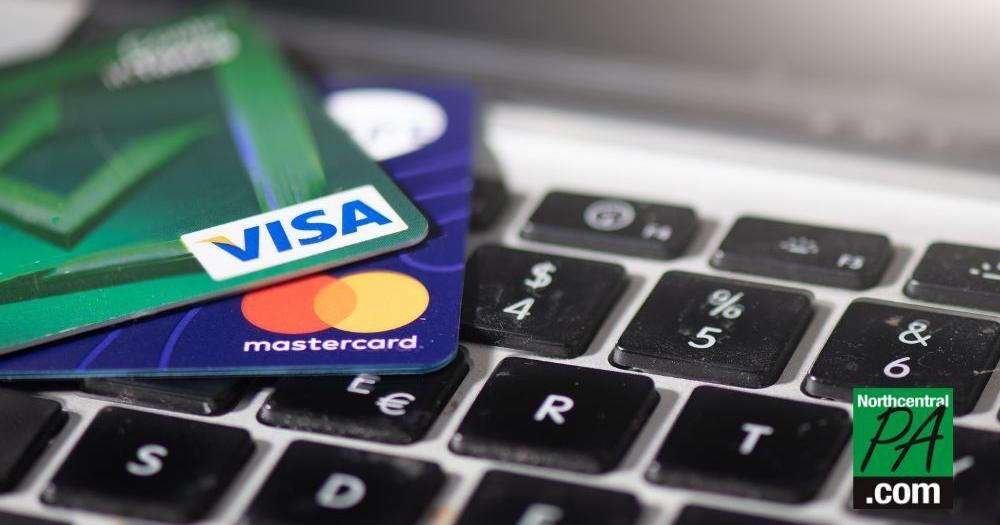
Digital payments have been creeping into everyday life across north central Pennsylvania for years, but residents say the pace has picked up noticeably in 2025. Conversations with local shop owners, commuters, and younger consumers all point to a growing expectation that transactions should be quick, contactless, and available on any device. That shift mirrors broader online behaviours, including the rising use of entertainment platforms that emphasise speed and anonymity, something highlighted in the latest review exploring how some gambling sites streamline payments by reducing identity-verification steps. For many residents, these trends underline how digital habits in one corner of the internet can influence expectations in more ordinary day-to-day spending.
Local businesses across the region say they are responding in real time. Some have upgraded their point-of-sale systems, while others are reevaluating whether cash-only models can survive much longer. Even long-standing family shops, typically slower to adopt new technology, are beginning to see the benefits of faster checkout times and reduced handling of physical cash.
Local businesses report rising use of digital and contactless payments
Shopkeepers in Williamsport, Lock Haven, and Lewisburg all describe a similar pattern: more customers tapping phones or watches rather than pulling out wallets. Some of this rise reflects broader national momentum. Data showing that 92% of U.S. consumers made some type of digital payment in the past year provides a useful benchmark, and several local retailers say their own observations line up with that trend. Many add that travellers passing through the region seem particularly likely to rely on digital wallets, making it hard for any business that hopes to attract new customers to ignore evolving habits.
However, small shops still face barriers that larger chains do not. Some business owners point to the cost of new terminals, while others worry about the learning curve for staff. A few say they are intentionally keeping cash options available for older residents who prefer sticking to familiar routines.
Regional banks and credit unions roll out new security tools
Financial institutions across Lycoming, Clinton, and Union counties say they are investing heavily in fraud prevention and identity-verification systems as more customers switch to online and mobile services. Local credit unions report increased demand for multi-factor authentication, mobile card-control apps, and real-time transaction alerts.
Many of these upgrades dovetail with national findings showing gaps between consumer
behaviour and small business adoption. In March 2025, Research and Markets reported that nearly 70% of online adults in the United States used digital payments in the past three months, while fewer than 60% of small businesses accept digital wallets, illustrating the uneven digital footing that can shape customer expectations.
Bank representatives say those gaps put greater pressure on financial institutions to keep residents secure as they navigate more online transactions. Some branches have expanded community education sessions on avoiding scams, a growing concern as payment activity shifts to mobile devices.
Consumers turn to diverse online platforms as digital payments expand
Residents say the recent surge of new apps and payment options can feel overwhelming, but convenience often wins out. Students at Penn College point to peer-to-peer payment tools as their primary way of splitting bills or paying rent, and many say they rarely carry cash at all.
Younger workers in the region lean heavily on digital wallets for both in-store purchases and subscriptions.
That behavior extends into a range of online activities, from streaming services to entertainment platforms. Local tech workers note that when people encounter fast, frictionless digital payments online, they begin to expect the same experience when visiting a local store.
Some community groups even hold discussions about privacy and data retention, especially as more payment platforms experiment with reduced identity screening or alternative verification methods.
What these payment shifts could mean for north central Pennsylvania in 2026
Local economists say the region is positioned to benefit from statewide investment in digital infrastructure. The Shapiro administration’s latest budget includes funding that reflects this momentum, with Pennsylvania allocating $11.5 million to expand CODE PA’s digital-service platforms. Regional officials hope stronger digital systems will help small businesses modernize without bearing the full costs alone.
Looking ahead, business groups expect digital payments to continue replacing cash, though not uniformly across communities. Rural pockets of the region may adopt changes more slowly, particularly where broadband access is limited. Still, the direction of travel seems clear: residents are growing more comfortable with cashless tools, and businesses are gradually adjusting.
Several local chambers of commerce predict that 2026 will be a transition year, with more shops updating their systems and more residents using a mix of wallets, apps, and online platforms.
For many in north central Pennsylvania, the conversation is no longer about whether digital payments will dominate, but how smoothly that shift can unfold for everyone who depends on them.
Success! An email has been sent to with a link to confirm list signup.
Error! There was an error processing your request.
Get Our Free Newsletters
Never miss a headline with NorthcentralPa.com newsletters.
Sign Up Today!
Morning Headlines: Would you like to receive our daily morning newsletter?
Afternoon Update: What’s happening today? Here’s your update!
Daily Obits: Get a daily list straight to your email inbox.
Keep your news local
Access to independent, local news is important, do you agree?
We work hard to deliver timely, relevant news, for free. 100% of your contribution to NorthcentralPa.com goes directly to helping us cover news and events in the region.
Thank you for saying that local news matters!