
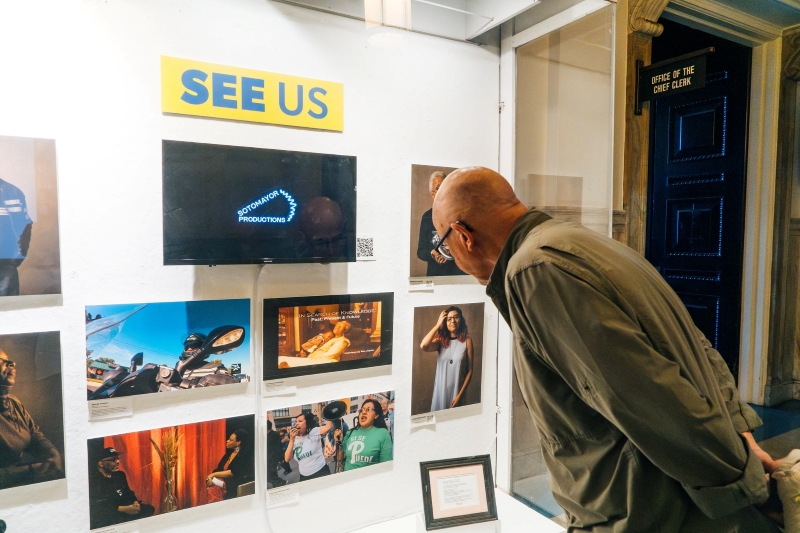
image above from PhillyCAM’s Telling Our Stories Panel & Exhibit” photo credit: PhillyCAM
In 2025, Philadelphia’s social impact sector faced serious challenges, including growing needs, shifting policies, and a widening gap between where resources are available and where problems exist. Generocity’s most-read stories went beyond our planned stories. They highlighted the people and organizations working to keep communities together and showed how communities are fighting for healthcare, food, safety, democracy, and a voice – their basic rights.
Healthcare on the Brink
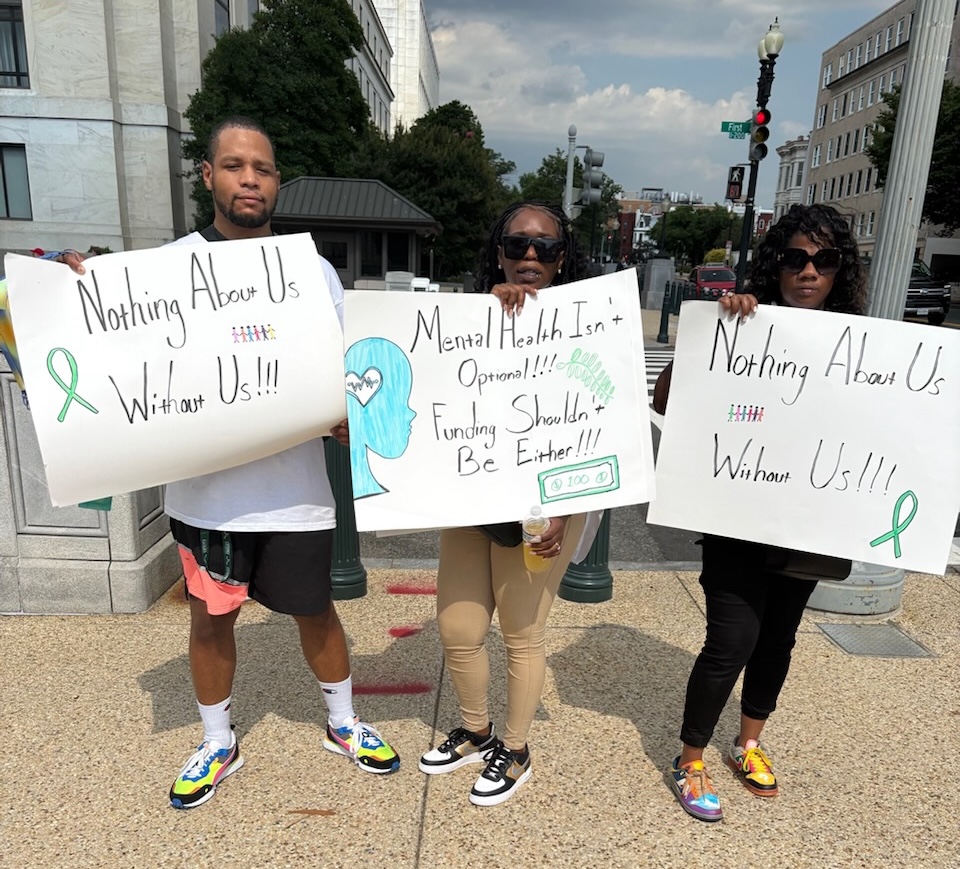
Mental Health Partnership participants Shawn Anderson, Elizabeth Anderson and Quadira Purfoyi at a press conference celebrating the 60th anniversary of Medicare and Medicaid on August 1, 2025
In “Cuts to Healthcare Are On The Horizon: Will Pennsylvania Be Ready?,” Generocity examined what happens when new government proposals meet an already strained healthcare system. The story highlighted the impact of federal medicaid budget cuts, asking what these possible cuts could mean for hospitals, health centers, providers, and the nonprofits that help people access care.
The story showed that the state is not prepared for the effects of these changes. Nonprofits are preparing for new payment rules, clinics are trying to do more with fewer resources, and some communities risk losing access to vital services.
Food Insecurity and Policy Choices
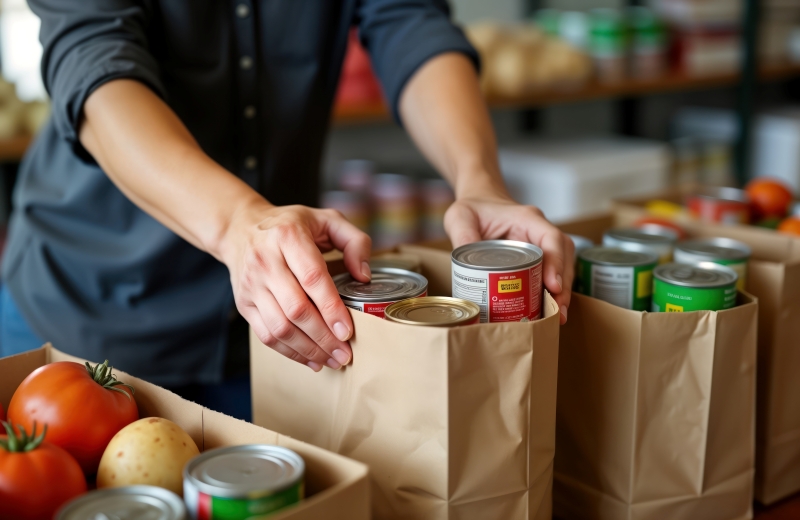
Philadelphia’s food crisis continued to be both ongoing and preventable, as shown in “Combating Food Insecurity in Philadelphia: A Multi-Pronged Effort (Part 1)” and “Cuts to SNAP and SNAP-Ed: A War on Kensington Families.” These stories followed how emergency food providers, mutual aid groups, urban farmers, and policy advocates are working together. Their efforts range from local food cupboards and neighborhood education to coalitions pushing for needed changes.
These stories highlighted how federal and state decisions about SNAP and SNAP-Ed can take away important support from families in neighborhoods where poverty, criminalization, and lack of investment are already issues faced by those communities. The main point was clear: food insecurity is not random or unavoidable. It is a product of policy choices, and nonprofits are left to deal with the consequences.
Democracy, Disillusionment, and Civic Infrastructure

“Why I Didn’t Vote – And Why That Matters” explored the deeper reasons people step back from voting, such as limited choices, low opportunities for civic duty, and the feeling that institutions only show up when they want people to vote. The story reframed civic engagement work as long-term infrastructure building rather than a sprint to Election Day. It also highlighted the need to treat democracy as a year-round practice rooted in trust, relationships, and power-building, not just in casting ballots.
Community Defense and Immigrant Justice
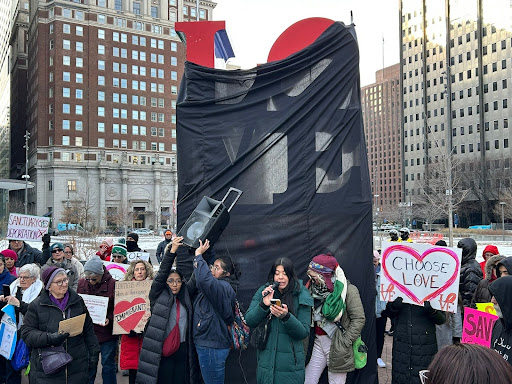
In “Rapid Response Networks: A Community-Led Protection Against ICE Abuses,” Generocity reported on how immigrant communities have come together to protect each other from enforcement actions that disrupt families and neighborhoods. The story explored networks that offer legal help, know-your-rights education, hotlines, and quick in-person responses to raids and detentions.
These efforts, often led by small nonprofits and funded by a mix of grants and community donations, show a different way to keep people safe – one based on solidarity.
Two stories – “The Future of Philanthropy Lies in Narrative Power” and “Not For Profit, But For The People: The Power Of Community Media In Philadelphia” – demonstrated that storytelling is at the heart of it. These pieces called for a rebalancing of attention and resources toward narratives accountable first to communities rather than to advertisers or political interests.
Harm Reduction and Public Health
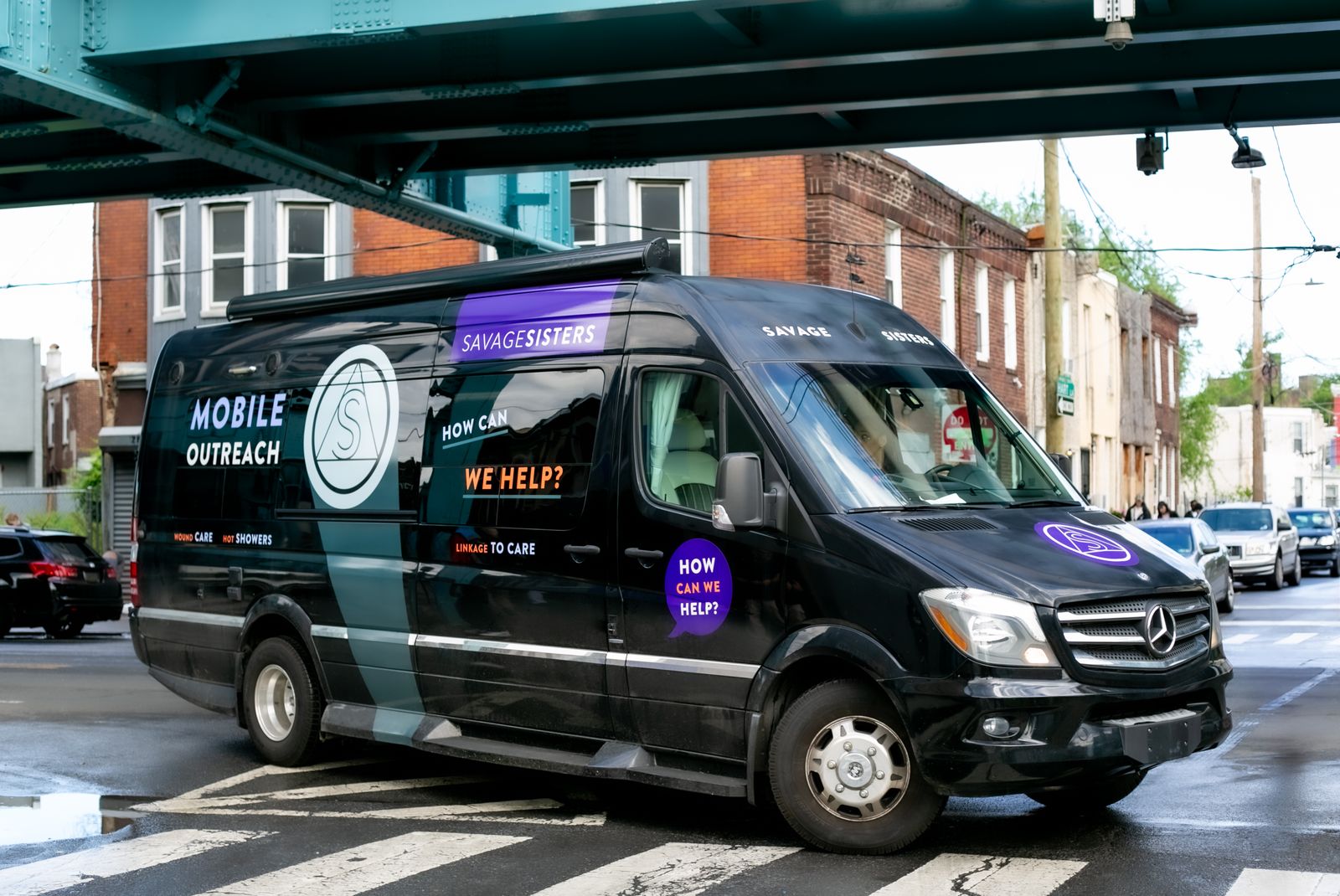
Savage Sisters mobile outreach van, photo courtesy of Georgiana Constantinescu
“Effective Harm Reduction Requires Partnerships, Not Prohibition” examined one of the most debated public health issues: how to handle drug use and overdoses in Philadelphia. Instead of repeating common arguments, the story focused on groups that bring together public health workers, outreach teams, housing providers, and local organizations to use proven methods.
The story showed that syringe services, overdose prevention, and accessible care save lives, especially when built on trust with people who use drugs. It also highlighted the conflict between harsh policies and the steady, behind-the-scenes work of nonprofits trying to keep people alive so they have choices.
Development, stadiums, and neighborhood futures

“Part 2: The Arena Effect: Stadiums and Communities” examined a different kind of infrastructure: large projects that promise jobs and entertainment but can also accelerate displacement and change neighborhoods in ways residents did not choose. The story explored the complex network around stadium development – city agencies, team owners, developers, community groups, and nonprofits – and asked who truly benefits from these deals.
By closely examining community benefits agreements, land-use decisions, and the roles of civic and nonprofit groups, the story considered the broader questions about land, wealth, and who belongs in Philadelphia.
Reading the pattern beneath the headlines
Together, these ten stories are more than just a list of highlights – they serve as a state of our community – healthcare cuts, food insecurity, voter frustration, immigration enforcement, overdose crises, and risky development all converging in the same neighborhoods, and sometimes even in the same homes.
For funders, policymakers, and leaders, these stories raise uncomfortable but necessary questions for 2026 and beyond:
• Who is telling the story, and how does it center community?
• What are the true intentions and long-term ramifications of the policies and solutions being offered?
• Who is at the table when strategies and policies are set?
• How are communities treated – as equal partners with basic rights and fundamental freedoms, or as numbers or barriers to others’ success?