
Facebook brought them in and YouTube helped get them started, as dozens of eastern Pennsylvania residents gathered in Lehigh County for the preservation of something that once belonged to their grandparents and still-older generations:
Pennsylvania Dutch.
It’s a language that was a cornerstone of life for European immigrants and is still spoken fluently in thriving Amish and Mennonite communities across North America and beyond. Longtime Lehigh Valley residents may have heard it spoken by elders in private kitchen moments or among the regulars at the crossroads store and eatery.
Wie bischt du? (How are you?)
Ich bin zimmerlich gut. (Pretty good.)
Mach’s gut. (Essentially: Have a good one.)
Don Billig is among its champions, unwilling to let the Pennsylvania Dutch way of life fade into the past for the general populace. He’s leading classes to introduce the language and traditions on Thursday nights through March or into early April, weather permitting, at the New Tripoli Fire Co. in Lynn Township.
“We play games, we play bingo, we do crossword puzzles,” Billig, a local real estate broker, told the 65-strong audience at opening night Jan. 8. “In fact, we might even try to sing ‘Schnitzelbank’ tonight. If you hang in there for the full class, we have fun, at the very last one, we eat some good Pennsylvania Dutch food. Everybody brings in a little dish, and we have a little party.”
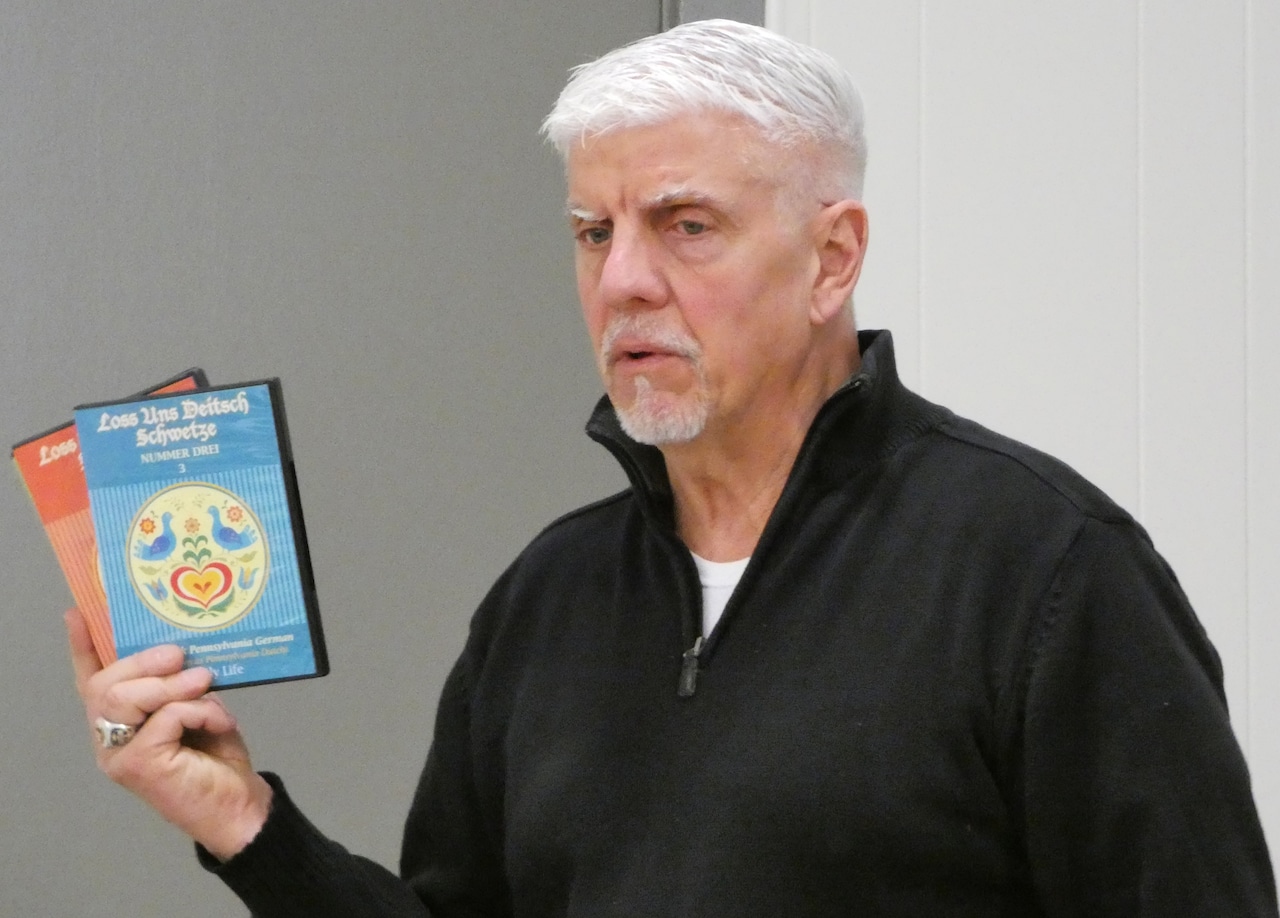 Holding educational materials on Pennsylvania Dutch, Don Billig opens three months of Pennsylvania Dutch language classes Thursday, Jan. 8, 2026, at the New Tripoli Fire Co.Kurt Bresswein | For lehighvalleylive.com
There would be no singing that first night of the popular German-American song, but there would be some simple phrases introduced to and recited by the robust crowd that filled the firehouse social hall.
“You’re not going to speak fluent Pennsylvania Dutch when you leave here,” said Irwin Hamm, one of Billig’s assistants — what he calls “my Dutchies.”
“But don’t get discouraged. This stuff is all on YouTube,” Hamm told the class participants, many of whom raised a hand to say they’d seen the class advertised on Facebook.
The class drew from instruction on the “PA Dutch 101” series of online videos from Douglas Madenford. He’s slated to appear as a special guest via Zoom during the series of classes, Billig said.
‘One way to keep the heritage going’
Bern Leibensperger, from Kempton, brought her grandchildren, ages 4 1/2 and 10.
This winter is Stephanie Lenhart-Tegyi’s third time taking the class, which Billig has led for about a decade.
“I have recently started learning about the heritage, really getting into it,” the New Tripoli resident said, adding she’s saddened by the disappearance of farmland associated with the Pennsylvania Dutch. “And I thought learning the language would be one way to keep the heritage going.”
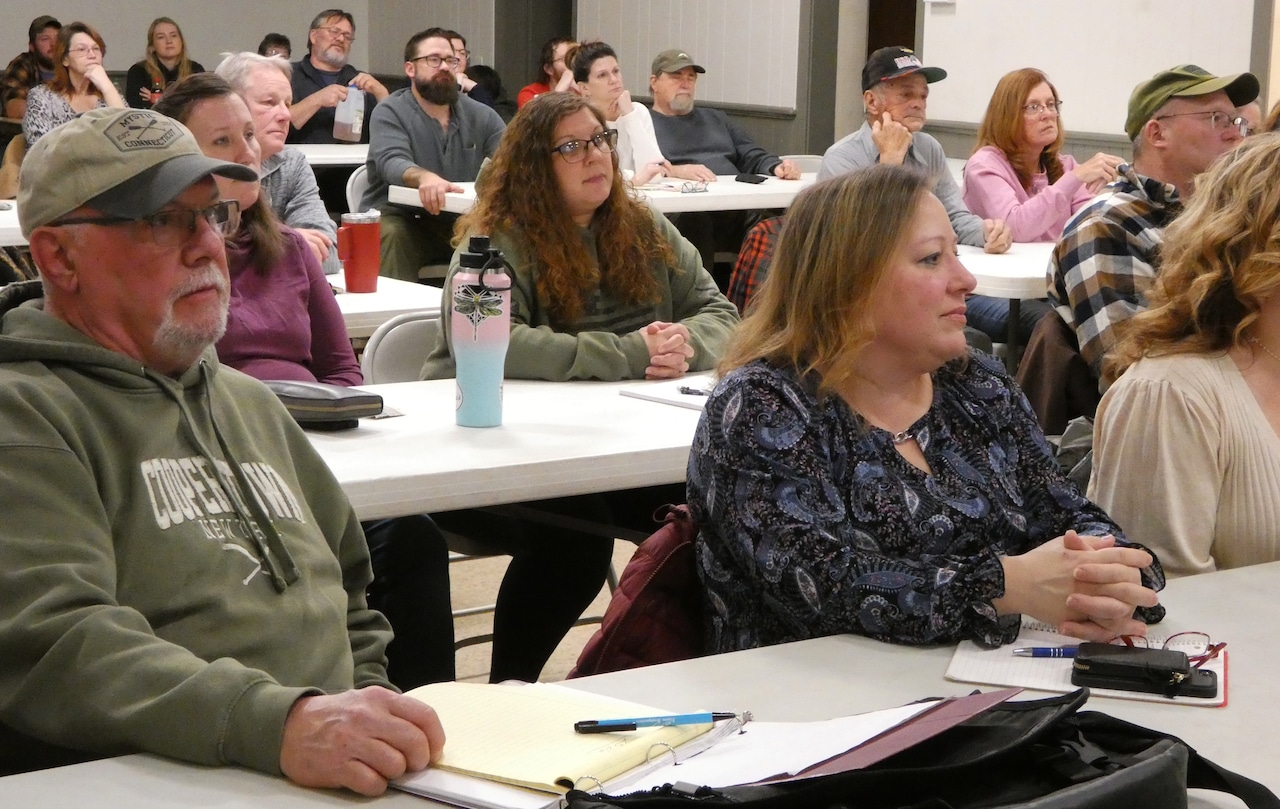 Around five dozen people attend the first night of Pennsylvania Dutch language classes Thursday, Jan. 8, 2026, at the New Tripoli Fire Co.Kurt Bresswein | For lehighvalleylive.com
Ronald Mohr said he grew up locally speaking Pennsylvania Dutch and had to learn how to speak English in school: “We never used English at home.”
“We’ve been going to a lot of different classes over the years,” he said alongside his wife, Barbara. “And the expression, ‘Use it or lose it’ — trust me — holds true. I go to these classes and I’m still remembering words I’ve long forgotten. But this is who I am.”
Karen Honchen, of Lehighton, brought a laugh as she recalled thinking “Dunner Vetter” might have been her name as a child growing up in Kunkletown. A curse word of sorts, the term expresses surprise, frustration — even anger.
Bill Kunsman, of Germansville, attended to try and learn some phrases he can use on Berks County deliveries as a tractor-trailer driver. Bob Peiffer, pastor at New Bethel Church in Kempton, hoped to be able to recite a prayer in Pennsylvania Dutch next Christmas. Pam Peters, an eighth-grade American history teacher at Northwestern Middle School, has been attending the classes for a couple of years to “bring it into the classroom and keep it alive for our students.”
“My family has been here for 200 years,” said David Rex, of New Ringgold. “Like most of yours, everybody spoke Pennsylvania Dutch. And when we were little you picked up stuff but nothing good. And I’m here to learn the good stuff.”
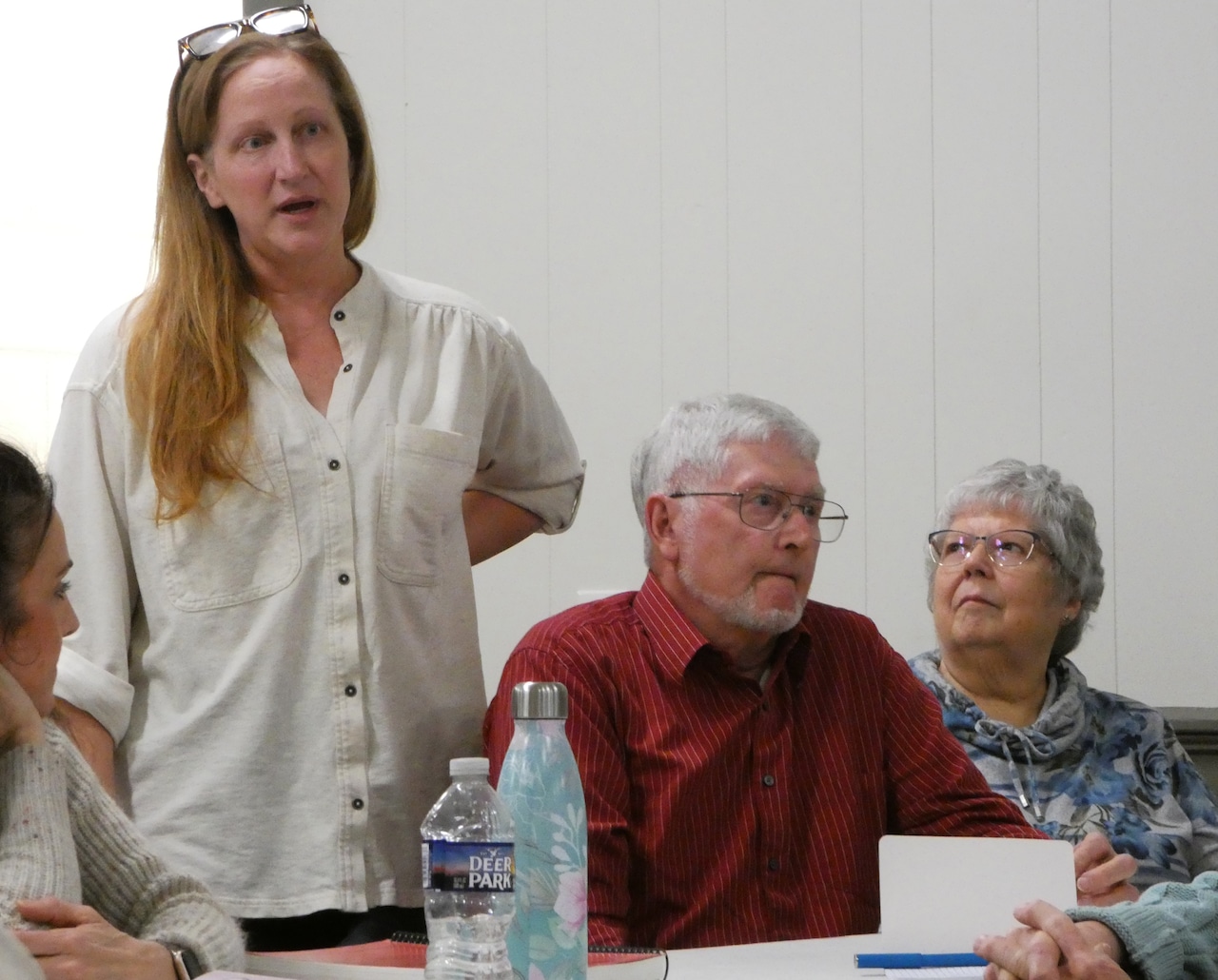 Tara Antonis, of Bethlehem, introduces herself alongside parents Roger and Cheryl Sinclair at the first night of Pennsylvania Dutch language classes Thursday, Jan. 8, 2026, at the New Tripoli Fire Co.Kurt Bresswein | For lehighvalleylive.com
Others hailed from Wind Gap, Kunkletown, Allentown, Bethlehem, Andreas, Slatington, Danielsville, Northampton, Hamburg, Zionsville, Effort, Jim Thorpe, Schnecksville, Orefield, Palmerton and Saylorsburg.
Billig asks for a minimum $25 donation to support the fire company. He has 12 sessions planned but will cancel for inclement wintry weather. They run from 6:30 to 8 p.m. Thursdays in the New Tripoli firehouse’s social hall, 7242 Decatur St. Students can drop in for a class whenever they can — there is no roll call or attendance requirement, he said.
Events, ancestry and more in K’town
New Tripoli’s is one of several classes in Pennsylvania Dutch offered across eastern Pennsylvania, said Patrick Donmoyer, director of the Pennsylvania German Cultural Heritage Center at Kutztown University. His center on the state university campus in Kutztown, Berks County, often refers those looking to learn the language to the Berks History Center’s hybrid in-person/online program. Others are in Lancaster, at the Mennonite Historical Society, at Frystown on the Berks-Lebanon County border and at Groundhog Lodge No. 16 in Lehigh’s Orefield.
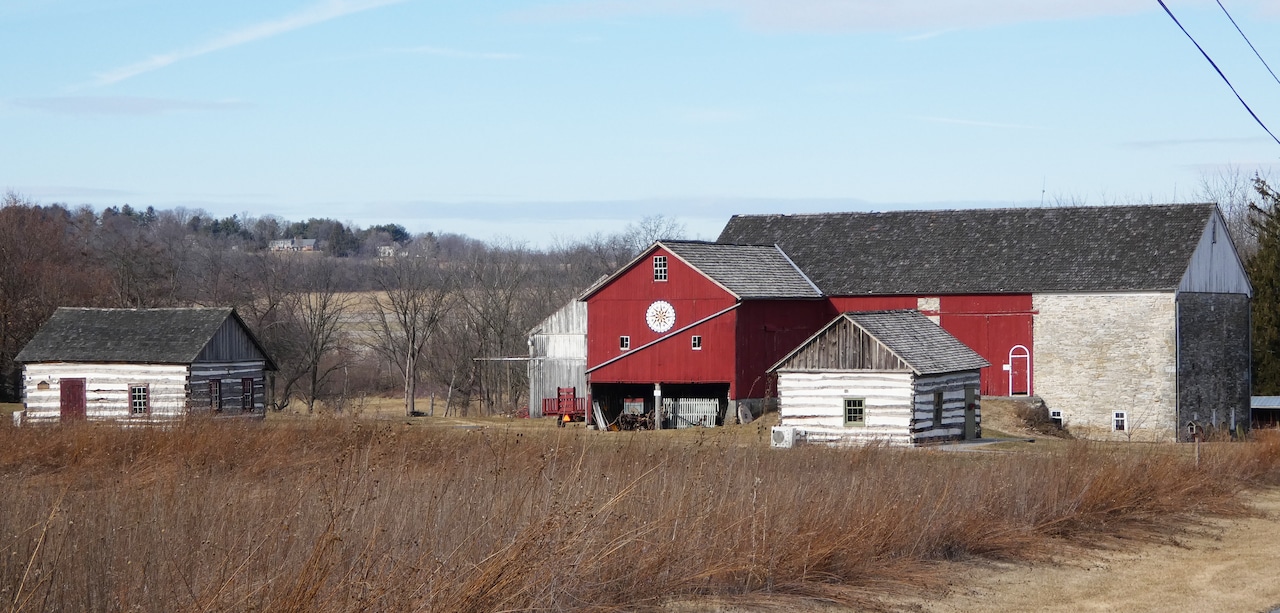 The historic Sharadin Farmstead at 22 Luckenbill Road in Kutztown, Pennsylvania, is photographed Monday, Jan. 12, 2026 — part of the Pennsylvania German Heritage Center at Kutztown University.Kurt Bresswein | For lehighvalleylive.com
The Kutztown center is the official repository of the records of the Groundhog Lodge — or Grundsau Lodsch — chapters that began forming in the area beginning in 1934. Back then, they offered camaraderie for local German immigrants who were looked down upon following World War I. The original, the Grundsau Lodsch Nummer Eens an der Lechaa (Groundhog Lodge No. 1 on the Lehigh), meets annually for Groundhog Day — the lodge meeting conducted entirely in Pennsylvania Dutch. Donmoyer said he can help connect those interested in attending with tickets.
Kutztown visitors can also take in exhibits in a pair of galleries, focusing right now on Transatlantic traditions of botanical healing and the immense body of work of celebrated 19th-century Berks astronomer Carl Friederich Egelmann. Some 1,000 different agricultural almanacs across the Mid-Atlantic drew from his calculations. There are also quarterly public events like Heemet (pronounced HAY-met and meaning home) Fescht on Sept. 26 in 2026. The center’s library houses original manuscripts and works of art, documents pertaining to daily life, as well as church, birth and burial records and reams of passenger manifests of German immigrants.
“We really trace the history of the culture from that time of immigration, when there were roughly 81,000 immigrants who arrived at the Port of Philadelphia from German-speaking areas in Europe and spread all throughout southeastern Pennsylvania and then went through all the United States and other parts of the world,” Donmoyer said. “Their descendants today number in the millions. And so this is a collection that’s actually relevant to the cultural experience and the ancestry of millions of Americans, as well as people throughout the world.”
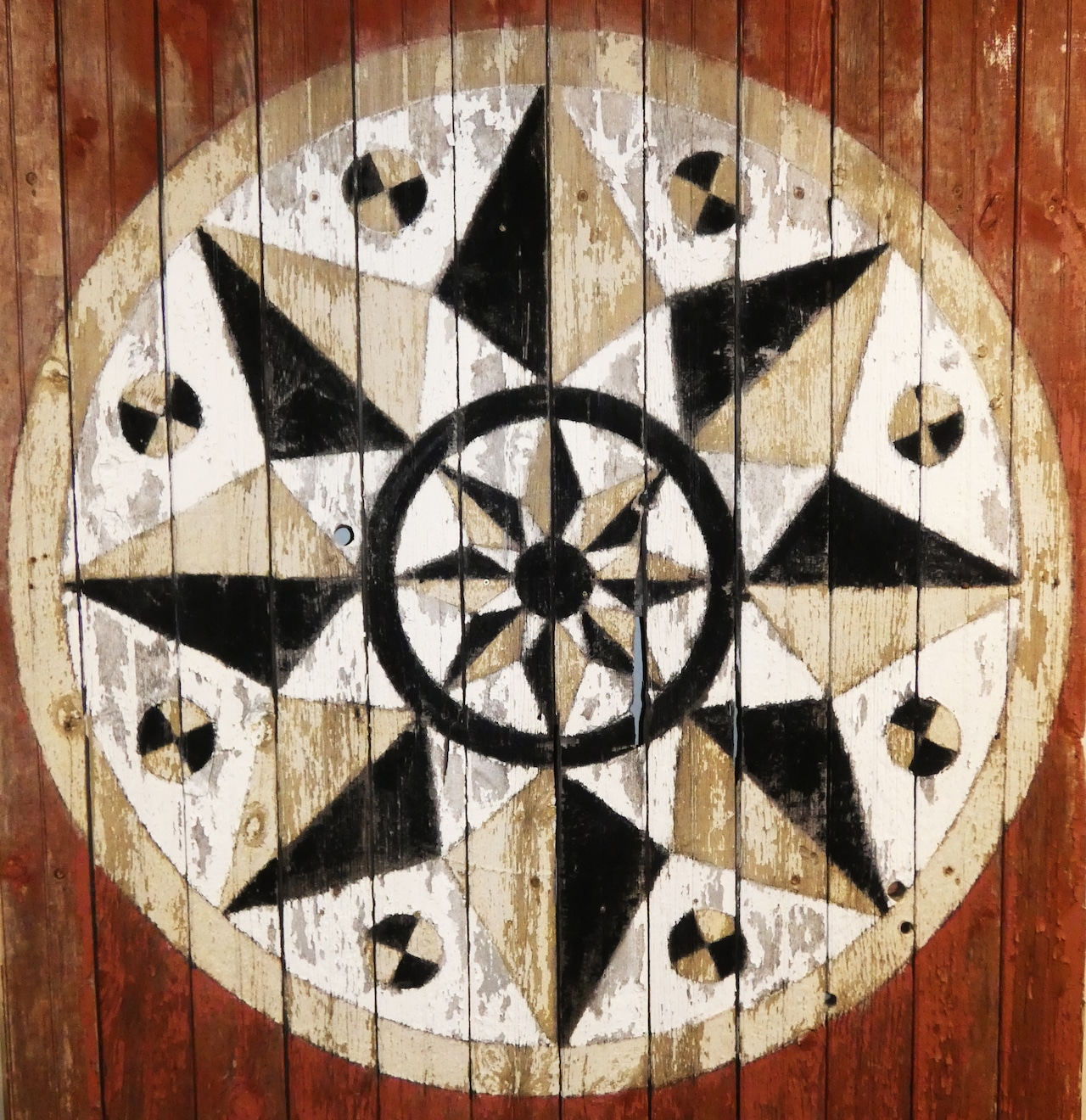 A hex sign donated by the Kutztown Folk Festival is on display Monday, Jan. 12, 2026, in a gallery at the Pennsylvania German Heritage Center at Kutztown University.Kurt Bresswein | For lehighvalleylive.comPa. Dutch versus Pa. German
The Kutztown center uses both Pennsylvania German to refer to the folk culture of the area and Pennsylvania Dutch for the name of the language.
Relating today to Holland or the Netherlands, Dutch as a historic term meant “not only the people from Holland but all German-speaking people,” Donmoyer explained. “And folks from the Netherlands, they speak a form of Low German. And it’s part of the family of Germanic languages.”
“Dutch was the common word that was being used to describe German,” he continued. “And if someone said ‘a Dutchman,’ they meant a person from Germany or a person who was culturally German. In the second half of the 19th century, these terms tended to start to split off.”
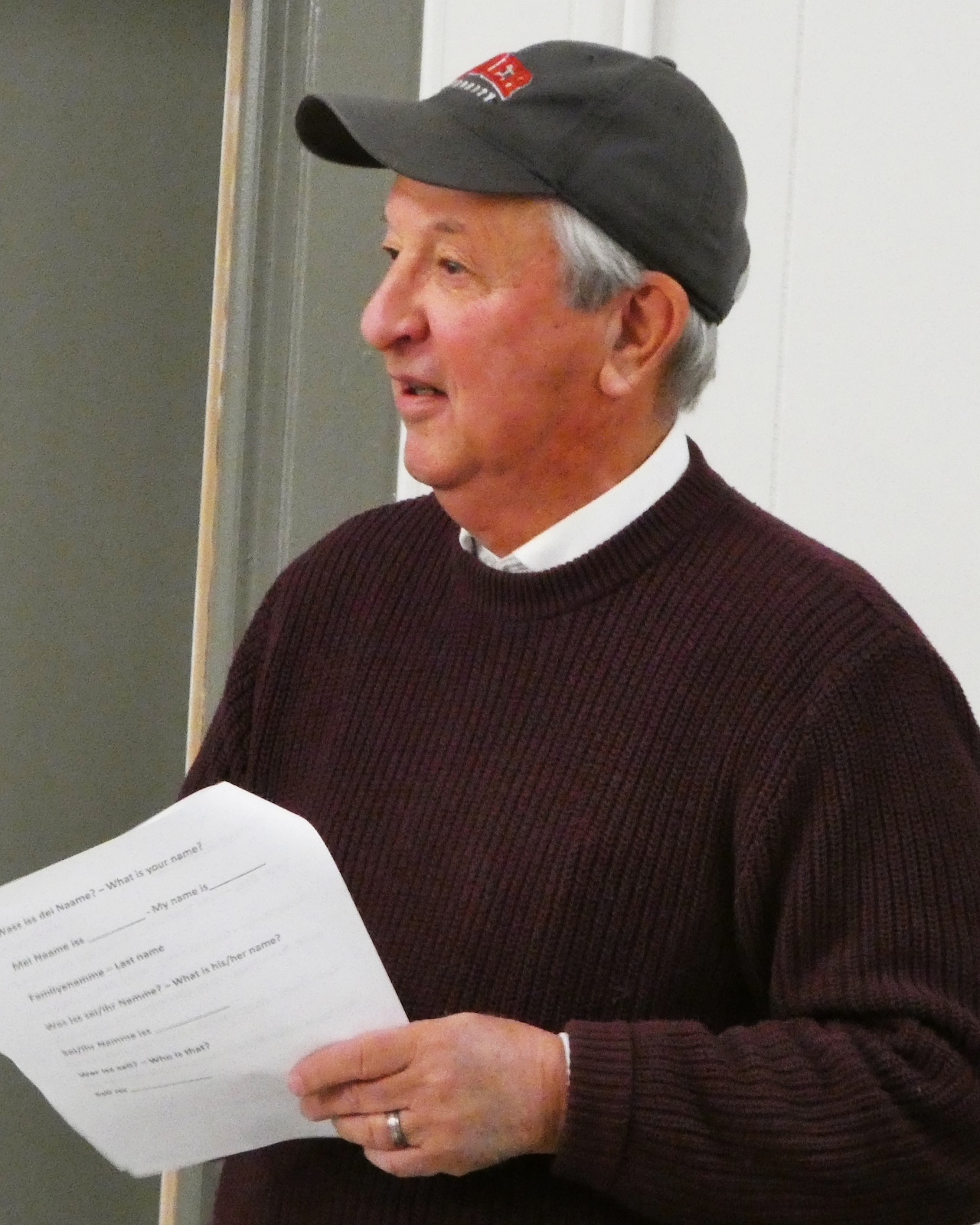 Irwin Hamm helps lead the first night of Pennsylvania Dutch language classes Thursday, Jan. 8, 2026, at the New Tripoli Fire Co.Kurt Bresswein | For lehighvalleylive.com
Settlers of English and Welsh background spoke it as the lingua franca of the day in eastern Pennsylvania. As a language, it blended High German in a distinctive way from that of European forms of the language, as it incorporated Americanisms.
A German speaker might ask your name as, “Wie heissen Sie?” The Pennsylvania Dutch speaker is apt to say, “Was iss dei Naame?”
It’s a language that can differ from community to community and even farm to farm.
The Ws and the Vs
Billig’s class in New Tripoli pronounced Ws as Ws. Donmoyer in Kutztown used the Germanic V.
“Lehigh County especially pronounces those Ws as though they are Ws, as opposed to sounding more like Vs,” Donmoyer said.
Words can differ across county lines, too.
“In Lehigh versus Lebanon County, you have a word for a bucket,” he continued. “In one place you’ll hear the word eemer. The other place you’ll hear the word kiwwel.”
The same goes for spelling, since Pennsylvania Dutch is a verbal language that has changed over time.
Growing up, Billig listened to his grandparents using Pennsylvania Dutch on their farm in Lynnport. His dad adopted English as he moved his own family into 20th-century commerce with a trucking company in Kuhnsville, but he could still speak it.
“So you always want to learn what they were saying and keep the heritage alive,” he told the opening night of his class. “That’s why we’re here. You’re not going to walk out of this class knowing how to speak fluent Dutch. You’re going to understand a little more. You’re going to understand a little bit more about our heritage.”
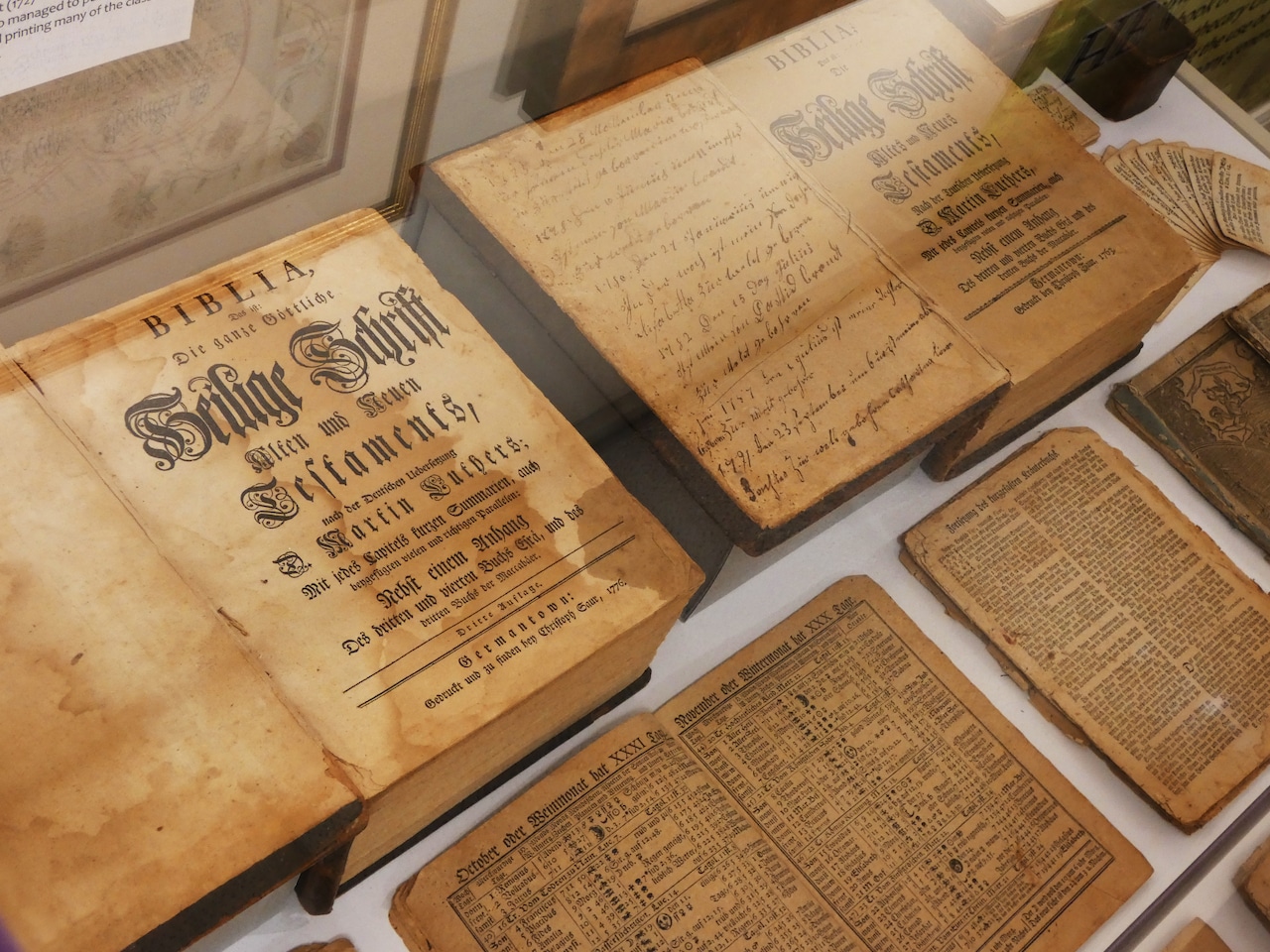 Bibles printed in North America in the 18th century are on display Monday, Jan. 12, 2026, in a gallery at the Pennsylvania German Heritage Center at Kutztown University.Kurt Bresswein | For lehighvalleylive.com
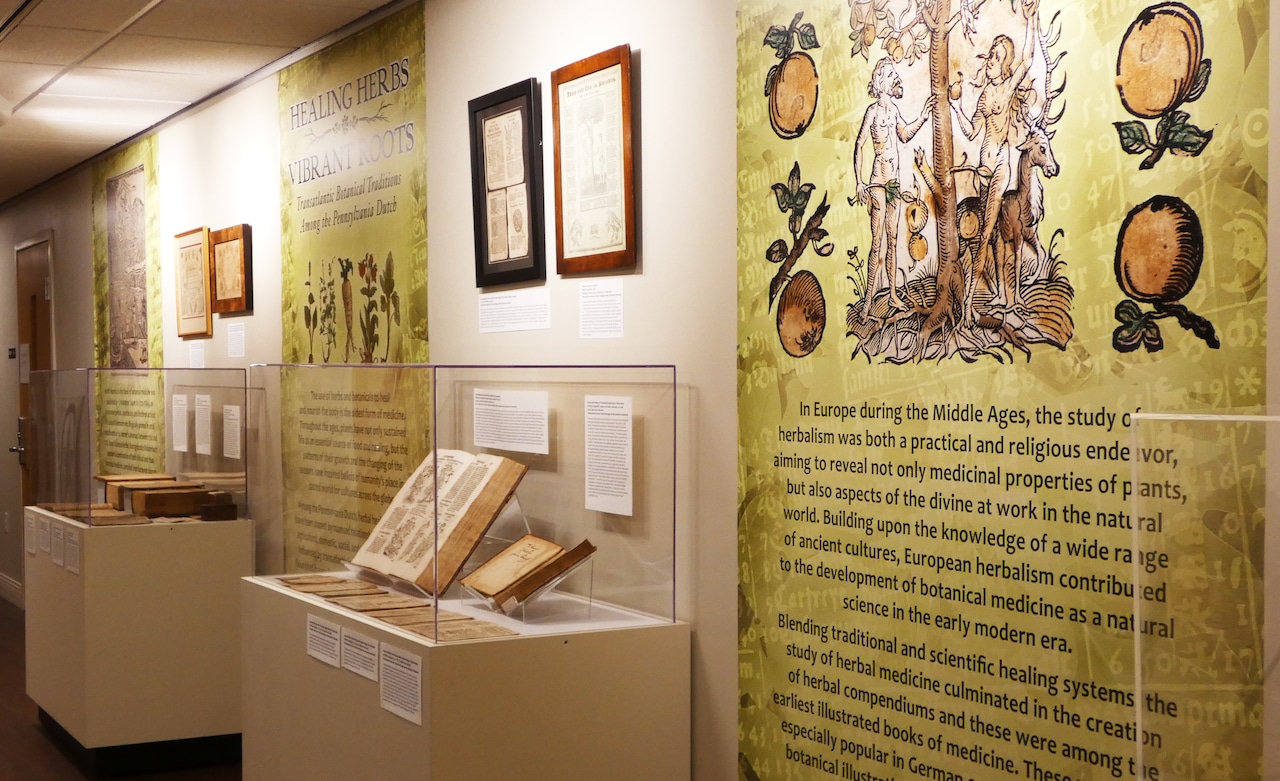 An exhibit on European botanical healing brought to Pennsylvania is on display Monday, Jan. 12, 2026, in a gallery at the Pennsylvania German Heritage Center at Kutztown University.Kurt Bresswein | For lehighvalleylive.com
Among the Plain People, as Amish and Mennonites are called, Pennsylvania Dutch is not at risk of fading into the past, Donmoyer noted. While considered a small-minority language, it is the global dialect growing at the fastest rate, he said. That’s according to estimates of the Amish population doubling every 20 years from upwards of 400,000 today in North America. Worldwide, Mennonites number around 2 million, or fewer than 0.03% of the world’s inhabitants when combined with the Amish. They are spread across states including Pennsylvania, New York, Ohio, Illinois, Indiana, Wisconsin, Kentucky and Florida, plus international locales like Ontario, Canada, and parts of Belize and the Dominican Republic.
The average age of a Pennsylvania Dutch speaker among the Plain People is estimated at 17, according to the Kutztown Pennsylvania German center — it’s around 80 outside those communities.
Being able to say a few phrases in Pennsylvania Dutch, “I think, helps to highlight a shared commonality of culture and language that I think is meaningful to people,” Donmoyer said:
“The language remains very meaningful to people despite the fact that there are fewer people who are fully communicative in it in the present day.”
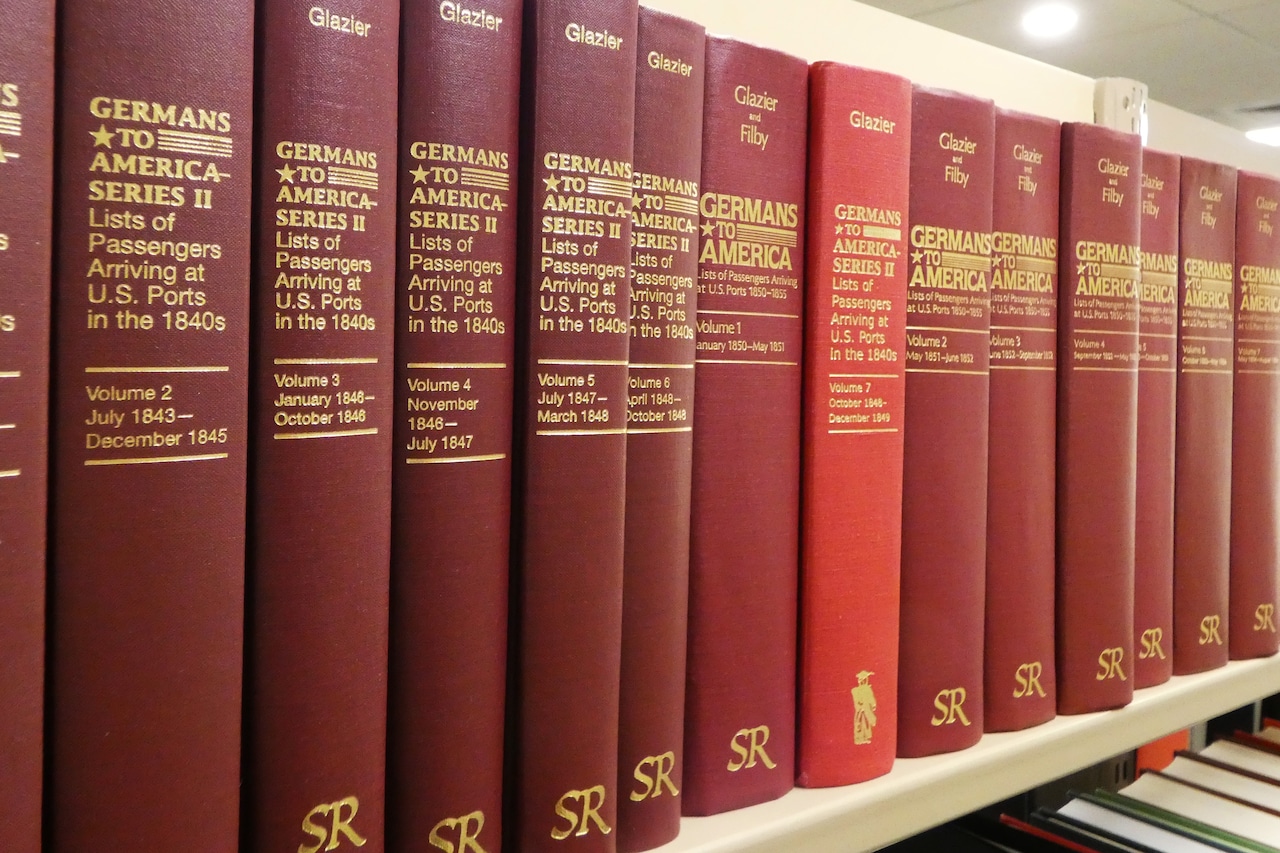 Books listing 19th-century immigrants to the United States are housed in the library of the Pennsylvania German Heritage Center at Kutztown University.Kurt Bresswein | For lehighvalleylive.com