
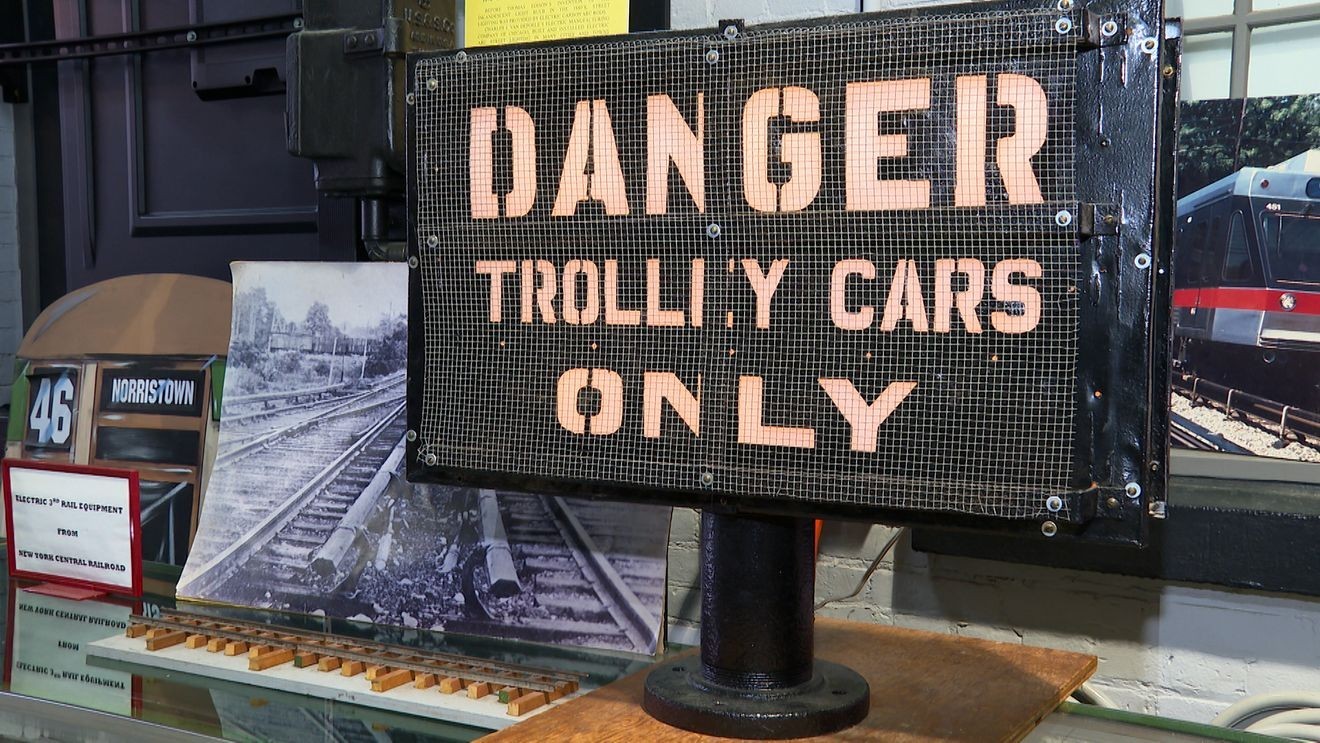
SCRANTON, LACKAWANNA CO. (WOLF) — In an age dominated by artificial intelligence and automobiles, it’s easy to forget that trolleys were once instrumental in the development and growth of Northeast Pennsylvania. Scranton, known as the “Electric City,” earned that nickname because of its extensive use of electric trolleys for decades. Today, those American-made machines are preserved at the Electric City Trolley Museum.
In 2026, downtown Scranton is filled with cars and buses, but a century ago, the city looked and sounded utterly unfamiliar.
In the late 1800s, as the nation worked to rebuild after the Civil War, transportation options were limited. For many people, getting around meant walking or, for those fortunate enough, riding a horse.
“As for public transportation, if you were going to go anywhere you either, if you were fortunate enough to have a horse, you could ride the horse, or you could walk,” said museum curator David Biles.
While railroads stretched coast to coast, they weren’t practical for short trips or affordable for everyone. The lack of good public transit changed on November 30, 1886, when Pennsylvania’s first electric trolley line was completed in Scranton.
Unlike cable cars, which relied on underground cables and had no onboard motors, electric trolleys used overhead wires to power motors inside the car. The system was faster than any other form of urban transportation at the time and quickly spread to cities across the country. Trolleys helped connect communities, move goods, and fueled rapid urbanization, including the creation of America’s first suburbs.
“The trolleys were the original phase of the enterprises that developed in Scranton,” explained museum manager Chris Calvey. “We had the iron furnaces, we had the iron, we had the steel, we had that manufactured. They used the water, they used the barges to transport them, then the rails came into play. Then people could be more mobile, they could go to New York, they could travel to Buffalo, they could ship things. Quite a few things can travel on train to this day.”
As trolley lines expanded, Scranton’s industries boomed. From that pivotal November day forward, the city would forever be known as the Electric City. But the story of the trolley extends far beyond Scranton.
“These were lines that went from city to city and these were, quite extensive, the largest being out on the West Coast,” continued Biles. “What was called the Pacific Electric Railway, out in Los Angeles. They had over 900 miles of track at their peak operation. And Pennsylvania, in the 1920s, had 116 operating electric railways, trolley companies and there were over 100,000 streetcars that had been constructed and in operation throughout the country. What’s left in Pennsylvania is, basically just that, two lines out in Pittsburgh and the Septa operations in Philadelphia and the suburbs.”
The decline of the trolley began with the rise of the automobile. Henry Ford’s Model T made cars affordable and widely accessible, reshaping cities and society around personal transportation. By the time interstate highways expanded in the 1950s, trolleys had largely disappeared, with only a handful still operating nationwide.
Today, the Electric City Trolley Museum stands as a testament to the humble mechanized mode of transportation that helped revolutionize not only Scranton, but the country. Honoring the memory of the first public transit system and the technology around it that helped make America amazing.