
ALLENTOWN, Pa. (WFMZ) — It doesn’t take much for someone to get frost bite or a cold-related injury.
Dr. Mark Scheuerman, a Family Medicine physician at Lehigh Valley Health Network, urges people to be cautious and bundle up.
“Keeping yourself warm is absolutely number one. When we’re cold, our immune system is weaker and we’re seeing a lot of flu going around this year,” Scheuerman explained.
If you’re going to be outside, wear layers.
“If you can, cover your hands, feet and your head because that’s where you lose the majority of your heat,” Scheuerman stated.
While exposed skin is most susceptible to frost bite, so are extremities that are restricted by tight clothing and shoes.
“The most important thing with controlling frost bite is making sure that your clothing is not too restrictive. If you’re compressing, you lose blood flow that is essential for keeping your tissue fat. You need to make sure you’re keeping warm but that the clothes are not too tight,” Scheuerman said.
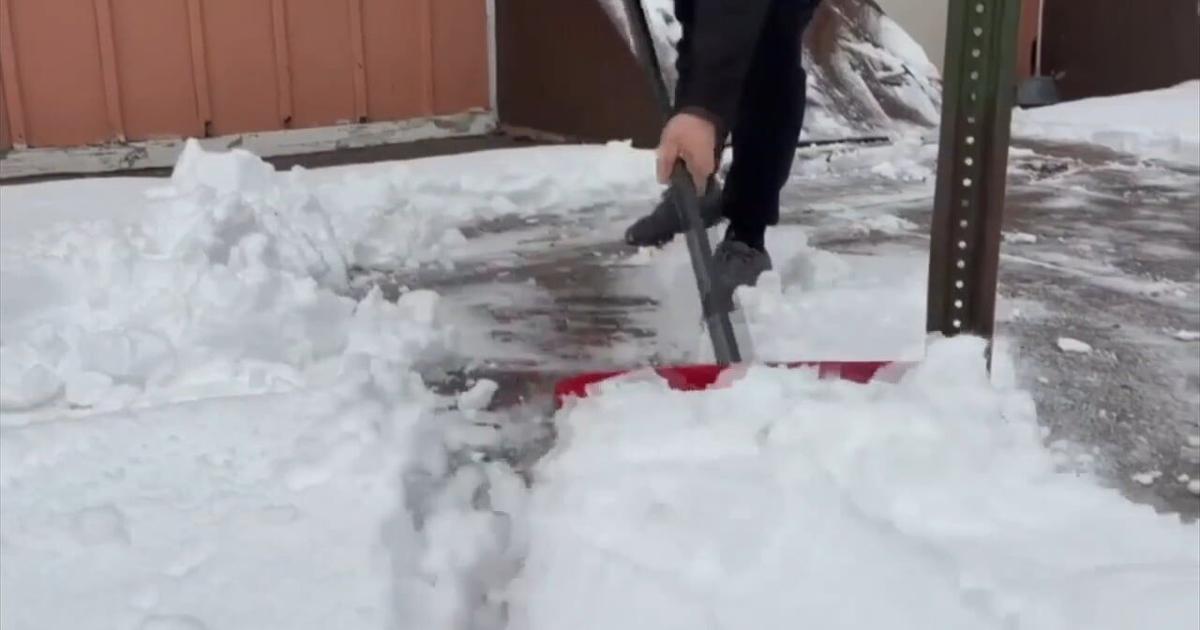
If the conditions are cold enough, frost bite can happen in as little as an hour. If you’re out shoveling, Dr. Frank Matrone, a family physician at St. Luke’s says to pace yourself.
“The risk for heart attack actually goes up in the cold weather. The cold weather causes more vascular constriction so that’s basically what a heart attack is. It cuts off blood supply to the muscle of the heart,” Matrone said.
He also encourages those who are outside for extended periods of time to stay hydrated.
“There’s less humidity in the cold air so you lose more fluid from your body quicker in the drier air,” Matrone explained.
Also, keep an eye out for ice.
“Twisted ankles, injured backs and everything else that goes along with that up to concussions and broken bones,” Matrone concluded.