
City Council has authorized applying for a state grant that would help stabilize and expand Reading’s Police Youth Academy and another grant for improvements along Tulpehocken Creek.
Council members unanimously approved submission of an application for $900,000 to the Commission on Crime and Delinquency.
That grant would support the academy, a long-running program aimed at engaging city youth through public safety education and community service.
The grant would not require a local match, officials said, noting additional details about the proposed use of the funds will be released if the grant is awarded.
The academy has grown, City Manager Jack Gombach said, but lacks a permanent, centralized location.
“They’ve had a lot of success,” he told council. “However, they are a little transient right now. Sometimes you’ll see them doing work in City Hall, working out in different locations.”
Gombach said the city has applied for and received funding through the commission in the past and expressed confidence in the current application.
“We have gone after this grant in the past and have been successful, so we’re feeling very confident about this application,” he said.
Council members praised the program’s impact on youth and its evolution since its early years.
“This is a really good program,” Council President Donna Reed said. “I remember when we got it started and it’s really grown since.”
Reed described the academy as a way for students to gain a broader understanding of law enforcement.
“It’s really good for the kids to understand what law enforcement can be and all the different facets of it,” she said.
Gombach said the program benefits participants even if they do not chose to follow careers in law enforcement.
“It provides a positive structure for our youth,” he said. “It provides a way for them to engage with the city overall, and begins exposure to what it means to be a good resident of our community. So we want to see this program expanded.”
Funded by the city’s police department, the program serves students from eighth through 12th grades who attend school in the city, according to the Youth Academy handbook. Cadets participate in weekly meetings, classroom instruction, physical training and community service activities.
The curriculum is modeled after elements of the Reading Police Academy and introduces participants to careers in law enforcement and criminal justice, while emphasizing leadership, discipline and teamwork, the handbook says.
Gombach said the program, which historically partnered with the Olivet Boys & Girls Club, recently underwent restructuring and program changes. It is now rebuilding and formalizing relationships with the Reading School District, he said, and classes are held at a middle school location.
“Once we get this grant,” he said, “we can really start to formalize a lot of those agreements and expand that pipeline.”
Creek improvements
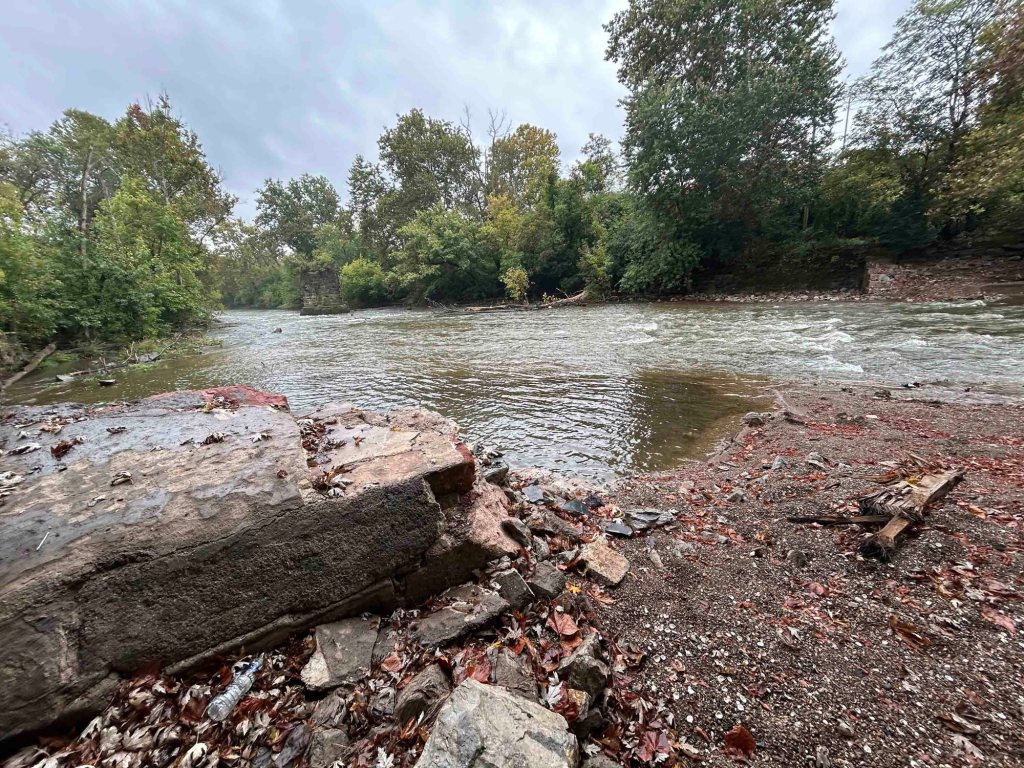
Council also approved applying to the Pennsylvania Fish and Boat Commission for a $78,425 grant for safety and habitat improvements along Tulpehocken Creek at Confluence Point Park.
Matching funds would be provided from the Reading Conservation Corps.
The corps mission is to steward the city’s natural and built environment in partnership with the Reading Public Works Department and community partners.
Managed by the Student Conservation Association and supported by Connections Work, the corps engages Reading residents ages 18 through 24 in hands-on conservation projects, such as invasive plant removal, tree planting, community garden maintenance, trail upkeep and litter abatement.
Participants also receive professional development opportunities to prepare them for future careers in environmental stewardship.
Applications are being accepted for the Reading Conservation Corps spring program.
The seasonal positions are full time, and corps members are paid for their work.
Participants also are eligible for an AmeriCorps Education Award, which can be used to pay for educational expenses at eligible institutions of higher education and training programs.
For more information, email d.manning@thesca.org.